



Discovering The World Of Tomato Sauce Sterilization Equipment
If you want to know more story about LOYAL brand, here can help you - https://www.facebook.com/foodmachineloyal
Introduction to Tomato Sauce Sterilization Equipment
Tomato sauce sterilization is a crucial step in the food production process, ensuring the safety, quality, and shelf life of the final product. As the demand for ready-to-use tomato sauce continues to grow worldwide, food manufacturers must invest in advanced technology to meet industry standards and consumer expectations. Tomato Sauce Sterilization Equipment plays a key role in this process, providing the necessary tools to eliminate harmful microorganisms without compromising the flavor, texture, or nutritional value of the sauce.
Sterilization involves exposing the tomato sauce to a specific heat treatment designed to destroy bacteria, yeast, molds, and other pathogens that could otherwise spoil the product or pose health risks. The goal is to ensure that the sauce remains safe to consume, even after extended storage periods. Without proper sterilization, tomato sauce could have a limited shelf life, increasing the risk of contamination and foodborne illnesses.
In addition to safety, the sterilization process is critical for maintaining the rich, tangy flavor of tomato sauce. Heat treatment can sometimes alter the sauce's natural taste, so choosing the right sterilization equipment that allows for precise temperature control is essential. A well-optimized sterilization process preserves the sauce’s flavor profile while ensuring its microbiological stability.
Tomato Sauce Sterilization Equipment is available in various forms, ranging from batch systems to continuous sterilization units. Each type of equipment is designed to cater to different production scales and specific requirements, such as energy efficiency, speed, and ease of operation. Understanding the functions and capabilities of these systems is essential for food manufacturers looking to optimize their tomato sauce production lines while adhering to industry standards and regulations.
As the industry evolves, newer sterilization technologies are being developed to improve efficiency, reduce energy consumption, and meet increasingly stringent food safety regulations.
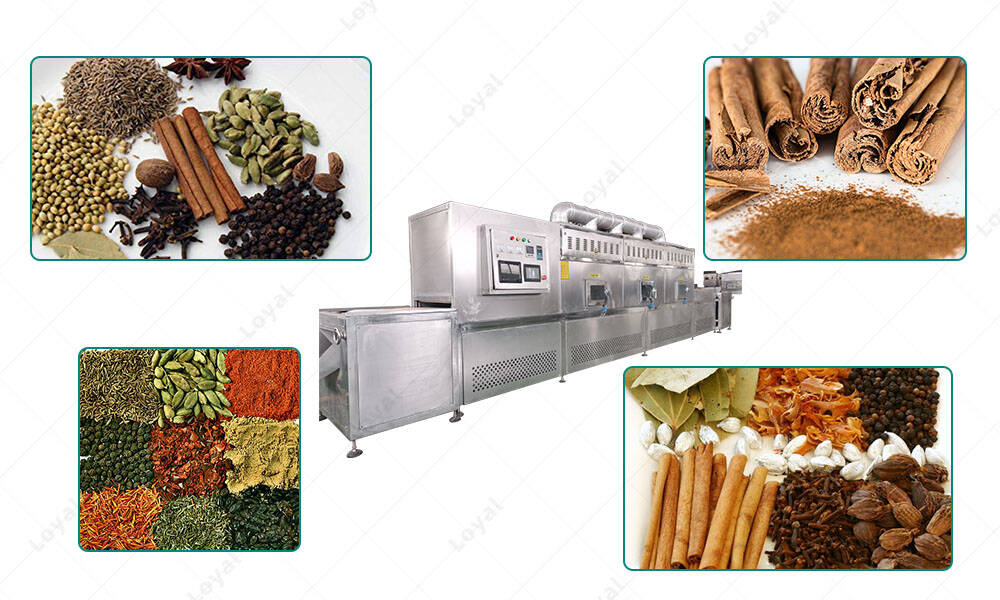
Introduction to Tomato Sauce Sterilization
The process of sterilizing tomato sauce is essential in preserving the sauce's quality, safety, and shelf life. Tomato sauce sterilization equipment plays a crucial role in ensuring that the final product is free from harmful microorganisms while retaining its flavor, texture, and nutritional value. In the food industry, particularly in the production of canned and bottled sauces, sterilization is an indispensable step to meet both safety standards and consumer expectations.
Tomato Sauce Sterilization Equipment is specifically designed to subject the sauce to precise thermal treatments. These systems help eliminate pathogens such as bacteria, yeast, and mold, which could otherwise spoil the product. As the demand for safe, high-quality food products continues to grow, manufacturers must carefully select sterilization equipment that meets the evolving standards and production needs.
1. Consistent Temperature Control
The primary function of tomato sauce sterilization equipment is to apply heat to the sauce at a specific temperature for a defined duration. A major feature to consider is consistent temperature control. This ensures that the sauce undergoes an even and effective sterilization process. The temperature must be high enough to eliminate harmful microorganisms but low enough to preserve the sauce’s integrity, color, and taste.
Advanced systems use precision temperature sensors and programmable controls that allow operators to adjust and maintain the optimal sterilization conditions. Variability in temperature can lead to incomplete sterilization, while excessive heat can damage the sauce, altering its texture and flavor. For manufacturers, this consistency is vital to achieve high product quality and compliance with food safety regulations.
Some modern tomato sauce sterilization equipment comes equipped with temperature monitoring systems that provide real-time data. This feature helps detect any discrepancies, ensuring the sterilization process is both safe and efficient. It also allows manufacturers to adjust parameters on the fly, preventing potential quality issues before they arise.
2. Energy Efficiency
Energy consumption is a significant operational cost in food manufacturing, and this is particularly true for tomato sauce sterilization processes, which require substantial amounts of energy to generate the necessary heat. As such, energy efficiency is a key consideration when selecting sterilization equipment.
Energy-efficient tomato sauce sterilization equipment not only helps manufacturers reduce their operational costs but also contributes to more sustainable practices. Modern systems are designed with insulated chambers, heat recovery features, and advanced heating technology to minimize energy wastage. These systems can use the residual heat from the sterilization process to pre-heat the incoming product, reducing the need for additional energy input.
Additionally, some advanced sterilization units come with variable speed pumps and adjustable power settings, which allow for dynamic control of the energy used depending on production needs. This flexibility ensures that energy consumption is optimized throughout the sterilization process, which is critical for both cost control and environmental sustainability.
Choosing energy-efficient equipment also aligns with industry trends toward greener, more responsible food production practices. Manufacturers can benefit from reduced carbon footprints and lower energy bills while still maintaining the high quality of their tomato sauce products.
3. Automation and Control Systems
In the fast-paced food manufacturing environment, automation is a game-changer, especially in tomato sauce sterilization processes. The integration of advanced control systems ensures that the sterilization procedure is both precise and repeatable, which is critical for maintaining consistent product quality.
Modern tomato sauce sterilization equipment comes equipped with programmable logic controllers (PLCs) and touchscreen interfaces, allowing operators to set parameters for temperature, pressure, time, and flow rate. These systems can automate the entire sterilization process, reducing the need for manual intervention and significantly decreasing the potential for human error.
Automated systems provide numerous benefits, including:
Consistency | Automation ensures that each batch of tomato sauce is treated exactly the same way, which results in a uniform product quality across all production runs. |
Efficiency | Operators can monitor and adjust the process remotely, saving time and labor costs while enhancing overall system efficiency. |
Data Logging | Advanced systems often come with built-in data logging capabilities, which record vital process parameters during sterilization. This is useful for compliance with food safety regulations and for tracking performance over time. |
Moreover, automation can lead to greater flexibility in production. Some systems can be easily reprogrammed to handle different products, making it easier for manufacturers to switch between various sauce types without significant downtime.
By adopting highly automated sterilization equipment, manufacturers can improve both operational efficiency and product consistency, which are key to remaining competitive in today’s food industry.
4. Product Handling and Gentle Treatment
Tomato sauce is a delicate product that requires gentle handling throughout the sterilization process to maintain its natural texture, viscosity, and taste. Harsh treatments or uneven heat distribution can cause changes in the sauce’s consistency, leading to undesirable product defects like separation or a burnt flavor.
Therefore, the product handling capabilities of sterilization equipment are crucial. The equipment should be designed to gently move the sauce through the sterilization process, ensuring even heat application without damaging the product. Pumps and conveyors used in modern sterilization systems are typically designed to handle viscous liquids, such as tomato sauce, without causing shear stress or air inclusion that could alter the sauce’s quality.
Additionally, equipment with vacuum sterilization options is often preferred for tomato sauce production. Vacuum conditions lower the boiling point of the sauce, allowing for sterilization at lower temperatures and reducing the risk of overcooking the product. This method helps preserve the natural color, flavor, and nutritional content of the sauce, making it more appealing to consumers.
Overall, the handling system’s design should minimize disruption to the sauce’s integrity while ensuring thorough sterilization to eliminate any potential foodborne pathogens.
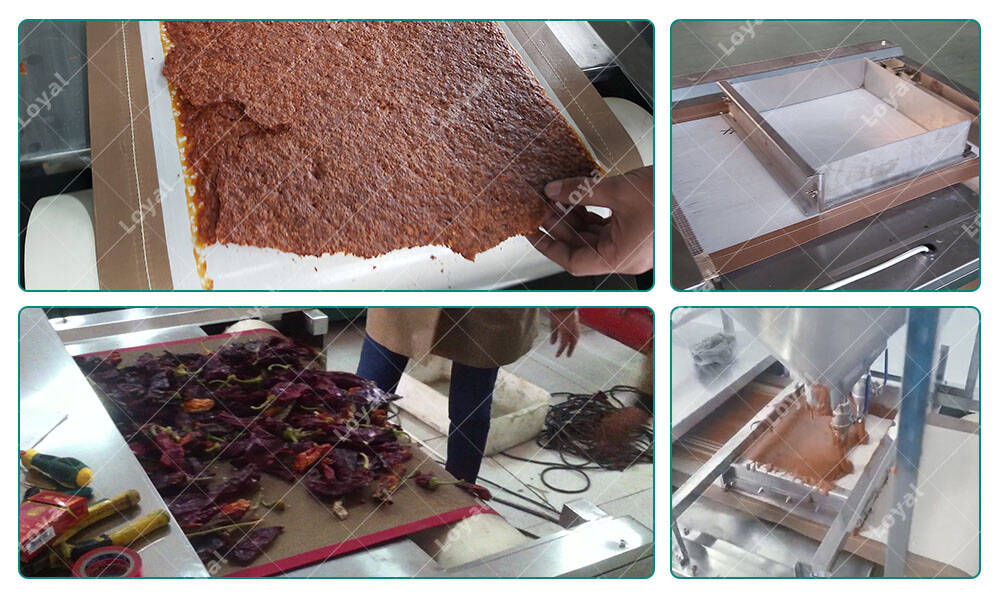
Technical Parameters Of Continuous Microwave Dryer Industrial Microwave Drying Machine | |||||
| Model | Size LWH(Can be customized according to the customer's requirements) | Output power | Dewaterability | Sterilization capacity | Baking and Roasting capacity (Depends on different raw material) |
| LY-10KW | 5000mm825mm1750mm | ≥10KW | 10KG/Hour | 100KG/Hour | 30-50KG/Hour |
| LY-20KW | 8000mm825mm1750mm | ≥20KW | 20KG/Hour | 200KG/Hour | 60-100KG/Hour |
| LY-30KW | 8500mm1160mm1750mm | ≥30KW | 30KG/Hour | 300KG/Hour | 90-150 KG/Hour |
| LY-40KW | 10000mm1160mm1750mm | ≥40KW | 40KG/Hour | 40KG/Hour | 120-200KG/Hour |
| LY-50KW | 12500mm1160mm1750mm | ≥50KW | 50KG/Hour | 500KG/Hour | 150-250KG/Hour |
| LY-60KW | 13500mm1450mm1750mm | ≥60KW | 60KG/Hour | 600KG/Hour | 180-300KG/Hour |
| LY-70KW | 13500mm1500mm1750mm | ≥70KW | 70KG/Hour | 700KG/Hour | 210-350KG/Hour |
| LY-80KW | 13500mm1650mm1750mm | ≥80KW | 80KG/Hour | 800KG/Hour | 240-400KG/Hour |
| LY-100KW | 16800mm1650mm1750mm | ≥100KW | 100KG/Hour | 1000KG/Hour | 300-500KG/Hour |
| LY-150KW | 22400mm1850mm1750mm | ≥150KW | 150KG/Hour | 1500KG/Hour | 450-750KG/Hour |
| LY-200KW | 27000mm1850mm1750mm | ≥250KW | 250KG/Hour | 2500KG/Hour | 750-1250/Hour |
| LY-300KW | 32000mm1850mm1750mm | ≥300KW | 300KG/Hour | 3000KG/Hour | 900-1500KG/Hour |
Power Supply | 380V±10% 50Hz±1% Three-Phase Five-Wire | ||||
Microwave Output Frequency | 2450±50Mhz | ||||
Microwave Input Apparent Power | ≤168Kva | ||||
Microwave Output Power | ≥120Kw | ||||
Microwave Power Adjustment Range | 0-30Kw(Adjustable) | ||||
Ambient Temperature | -5-40°C | ||||
Relative Humidity | ≤80%, Surrounding Environment:No Corrosive Gas, Conductive Dust And Explosive Gas | ||||
Transmission Speed | 0-10m/Min(Adjustable) | ||||
Recommended Company
Shandong Loyal Industrial Co.,Ltd. Is a Manufacturer Of Snacks Extruder Machine , Industrial Microwave Oven , Corn Flakes Production Line , And a Standing Director Of China Food And Drying Equipment Industry Association.
The Self-developed Twin-screw Extruder And Single-screw Equipment of Shandong Loyal Machinery Have Been Used In Production: Puffed Snack Food, Breakfast Cereal Corn Flakes, Fried Pasta, Bread Crumbs, Fruit Chips, Baby Food, Textured Soy Protein (tsp) Food, Fish Feed And Pet Food. a Variety of Snack Production Line Supporting Products.at The Same Time, The Batching, Drying, Flaking, Baking, Frying And Spraying Equipment Matching The Twin-screw Extrusion System Have All Achieved Independent Design And Production.
Our Extrusion System Is Widely Used In: Puffed Snack Foods, Breakfast Cereals, Vegetable Protein Meat Products, Nutrition Bars, FortifiedRice, Grain Nutrition Powder, Modified Starch, Bread Crumbs And Other Food Additives, Pet Food, Aquatic Feed, Biology And Chemical Industries.
Customer-specific Food Processing Plant Project Solutions
As one of the leading manufacturers of food processing equipment, we are always searching for new solutions that benefit our snack food customers. Our experienced frying engineers always find the optimal solution for your industrial batch and continuous frying system line application. That's why we also develop, design and produce custom fried snack production line.
Close collaboration with our customer is important to us even in the early development phase. No matter what the special requirements of instant noodles production line, snack food extruder machine, pasta production line application, we can develop a custom made food processing equipment to match your needs.
Loyal have a unique and efficient industrial continuous frying equipment for snack food extruder machine that provides the right crunch and desired moisture level.
In ovens or drying units, electric or gas can be used as heating sources.
The Industrial Microwave Sterilization Defrosting Drying Machine can be designed as a dry powder dosing system and a wet slurry dosing system as required.
Some snacks can also be fried according to taste requirements, and we also provide Fried Snack Production Line for the processing and packaging of fried extruded snacks.
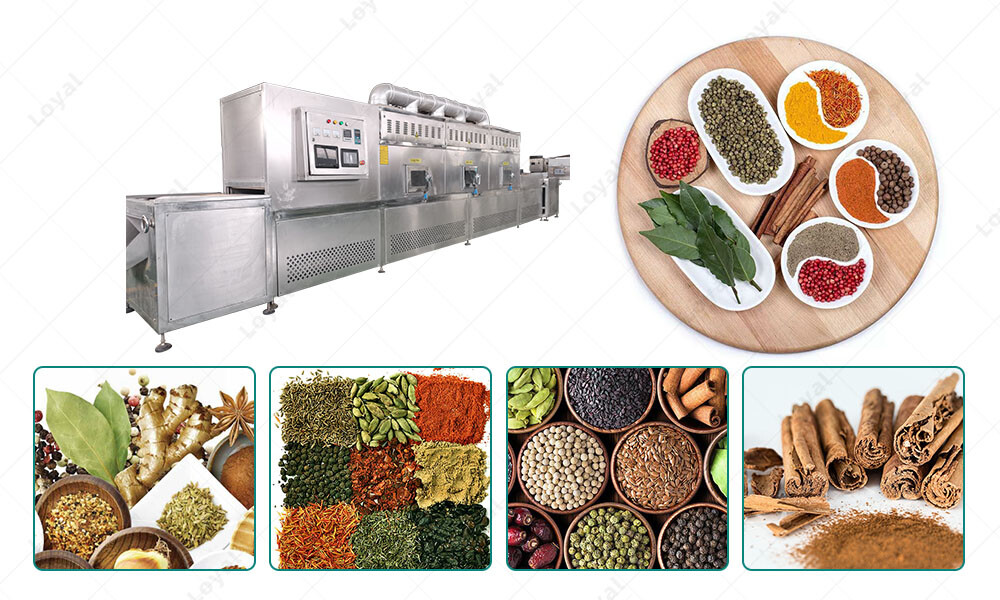
About packaging and after-sales service
Packing: Plastic Film Suitable For Ocean Carriage
Technical Support: The customer can inform machine related problems to us via telephone, email or fax. All information will be recorded and will be reported to the After-sale Service team. Meanwhile, the sales person will be tracking the case until problem solved.
Service Team:We have a professional After-sale Service team including10 professional engineers with at least 6 years working experience. They can handle technical consultation about manufacturing process, maintenance, fault diagnosis and troubleshooting, etc.
After-sale Service available :1.Check & test before delivery 2.Instruction for installation 3.On site commissioning 4.Repair & maintenance
After the receipt the advanced payment, we will provide allocation chart at the buyer’s request. When effect the shipment, we’ll provide operation manual, etc. in English.
Reference
The following are five authoritative foreign literature websites in the field of Industrial food machinery:
1. Food Engineering Magazine
Website: https://www.foodengineeringmag.com/
2.Food Processing Magazine
Website: https://www.foodprocessing.com/
3.Journal of Food Engineering
Website:https://www.journals.elsevier.com/journal-of-food-engineering
4. Food Manufacturing Magazine
Website:https://www.foodmanufacturing.com/
5. International Journal of Food Science & Technology
Website:https://onlinelibrary.wiley.com/