



A Smooth Progress Through Close Cooperation: A Microwave Solution for an Overseas Food Project
In the realm of global food logistics, the ability to deliver precise technical solutions while navigating complex administrative landscapes is a hallmark of a successful partnership. At Shandong Loyal Industrial Co., Ltd., we understand that high-stakes projects—such as those for large-scale central kitchens—demand more than just reliable machinery; they require a high degree of adaptability and professional synergy. Our recent collaboration on a microwave heating solution serves as a prime example of how technical expertise and strategic communication can overcome logistical hurdles.
We recently worked on an overseas food project for a large central kitchen. The project is designed to serve a large number of people during peak periods, so fast heating and stable food quality are very important. The customer already had some experience with microwave equipment and understood the technology. They also had their own ideas about the machine design and key components, which made the communication more technical from the beginning.
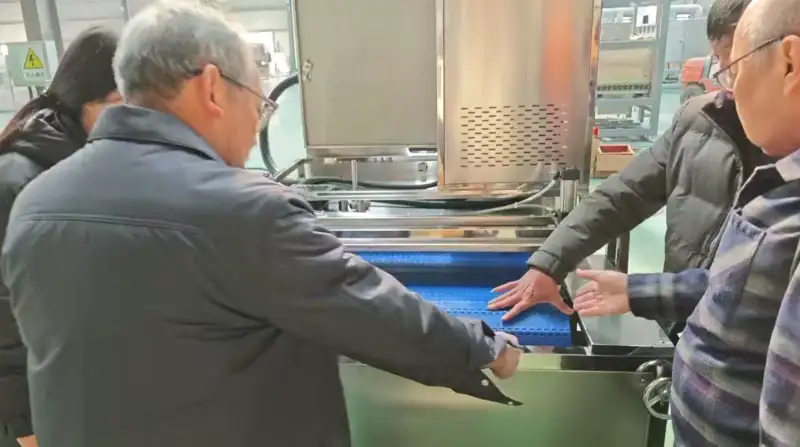
As the project moved forward, some challenges appeared. The customer was a senior manager, and his communication style was short and direct, but not always regular. Sometimes messages were delayed, which affected the project schedule. At the same time, the payment process was not simple, because different parties were involved, and the payment plan changed more than once. In addition, the project included special requirements such as partial shipment, certification, and document matching. These needed to follow export rules, which added more complexity.
To handle these situations, we adjusted our communication style. Instead of pushing the customer, we focused on confirmation and support. We always connected the discussion to production and delivery timing, so the customer could make decisions more easily. When the customer asked for a partial shipment, we did not refuse directly. Instead, we explained the extra work, cost, and possible risks, and then provided alternative options. This helped the customer understand the situation and choose a suitable solution.
For compliance and export procedures, we always used clear and objective explanations. We followed standard rules and made sure all information was correct and consistent. During the whole process, we kept the customer updated. We shared production plans, inspection schedules, and delivery arrangements on time. This transparency helped build trust and improve cooperation.
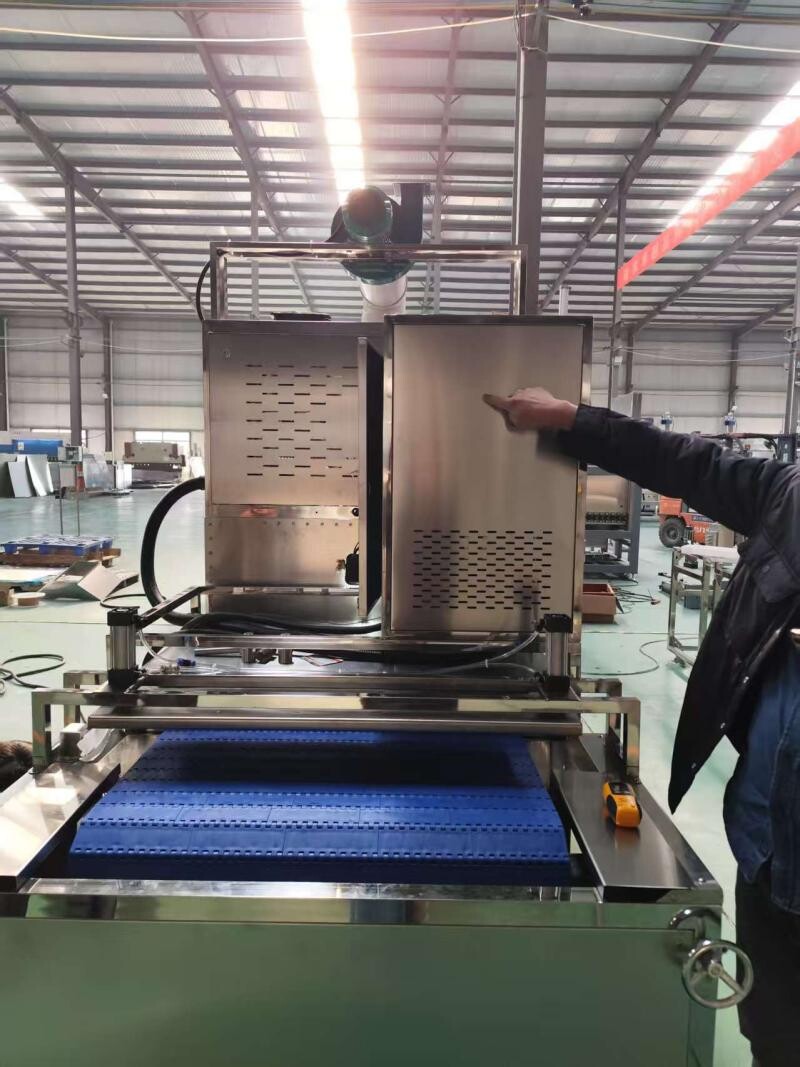
Step by step, the project became more stable. After careful discussion, both sides agreed on a workable plan that met both practical needs and compliance requirements. The initial payment was completed, and the inspection and delivery arrangements were confirmed. The project is now moving forward smoothly.
Looking back, this project was not only about supplying machines but also about good communication and teamwork. It shows that in complex international projects, managing the pace is very important. Clear communication, practical solutions, and mutual trust are the keys to success.
This project reinforces our belief that transparency is the most effective tool for building long-term international relationships. By prioritizing the customer's specific technical requirements while maintaining a steady hand on the logistical tiller, we ensured that this central kitchen was equipped to meet its high-volume demands without compromise. We look forward to applying these lessons to future projects, continuing to bridge the gap between complex engineering and seamless global delivery.