



Discovering The World Of Shortbread biscuit
If you want to know more story about LOYAL brand, here can help you - https://www.facebook.com/foodmachineloyal
Shortbread biscuit recipes typically use a higher amount of fat and sugar. Generally, a shortbread biscuit recipe uses approximately 18-30 kg of fat and 28-36 kg of sugar per 100 kg of flour. The amount of water added during dough preparation is relatively small (dough moisture content is approximately 16%-20%), and the dough is prepared under controlled conditions to minimize the formation of wet gluten. The dough (and raw dough) has a loose structure. Based on these characteristics, shortbread biscuits are best baked using a higher oven temperature and shorter baking time (compared to chewy biscuits). During the rising and shaping stage after the raw dough enters the oven, higher bottom and top heat temperatures are required (for larger raw dough pieces, a higher bottom heat temperature is preferable to a higher top heat temperature) to ensure rapid solidification of the bottom and prevent "oil spreading" due to the high fat content. Afterward, the bottom and top heat temperatures can be gradually reduced during the baking stage.
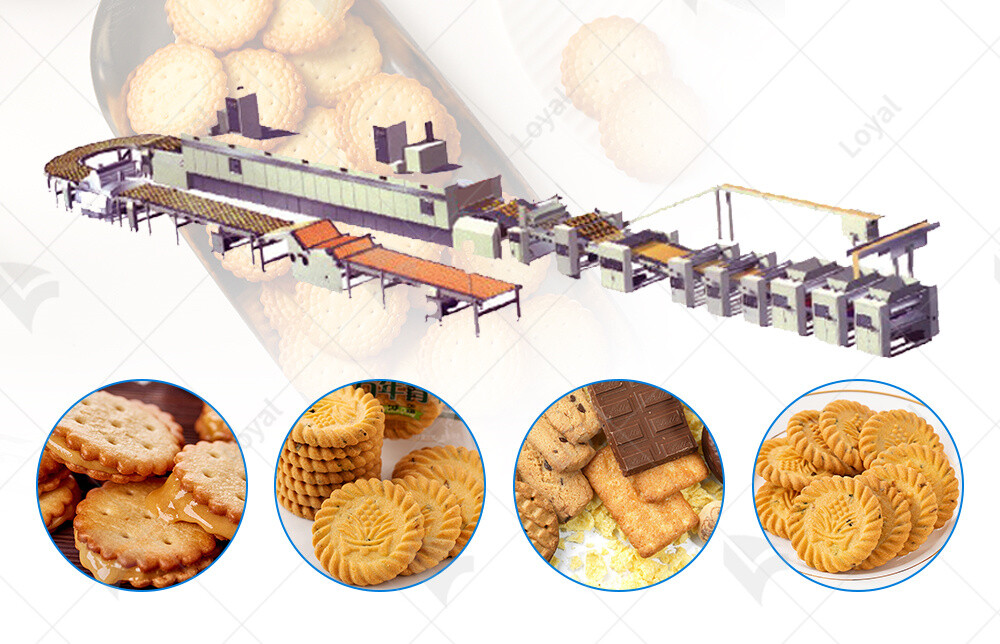
Because the raw dough has a lower moisture content, baking results in relatively less moisture loss. Appropriately lowering the oven temperature can still ensure that the product's moisture content meets acceptable standards. Shortbread biscuits contain more oil, sugar, and dairy products than hard biscuits. Reducing the oven temperature slightly during the later stages of baking is suitable for surface browning. Technically, the oven temperature can be selected based on the product formula, block size, dough thickness, and firmness. Generally, the recommended oven temperatures are: Zone 1: approximately 250-300℃; Zone 2: approximately 220-270℃; Zone 3: approximately 180-200℃. The recommended baking time under these temperatures is approximately 5-6 minutes.
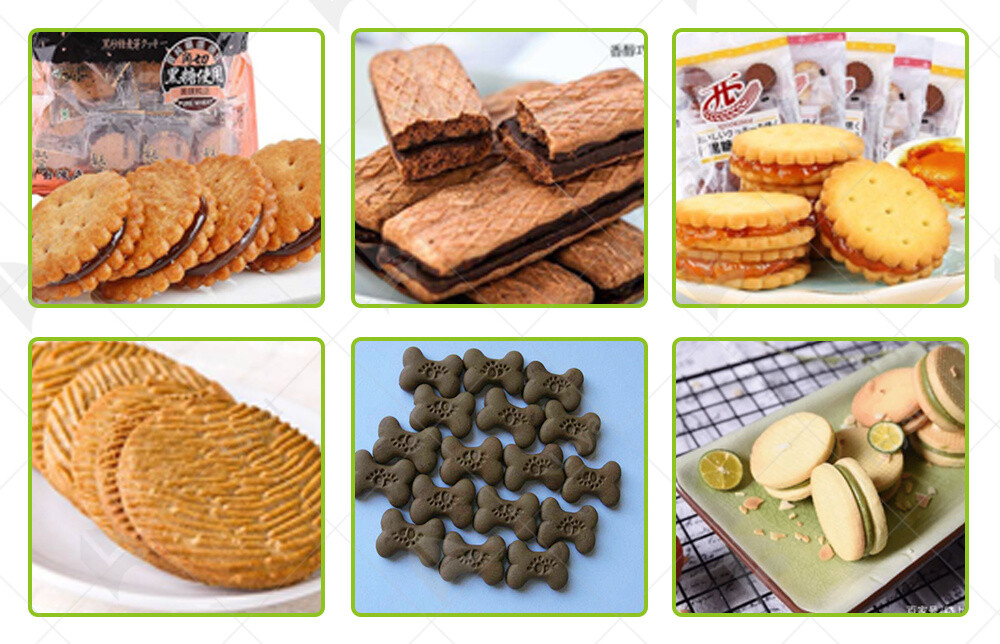
For general shortbread biscuits with less oil, sugar, and other ingredients, slightly more water should be added to the dough. Although the dough is prepared under controlled conditions for wet gluten formation, the amount of wet gluten formed in the dough is slightly higher compared to high-end shortbread biscuits with richer ingredients. Shortbread biscuits have no pinholes on the surface. Due to these characteristics, if the dough is exposed to high surface heat after entering the oven, it is prone to blistering. In this case, the high-temperature section of Zone 1 can be slightly shifted to the later stages. Regarding the issue of primer temperature, there is no risk of "bottom concavity" when using a mesh belt as the carrier; however, if "bottom concavity" occurs when using a steel belt as the carrier, the high-temperature range of the primer temperature should be shifted slightly backward.
Reference
The following are five authoritative foreign literature websites in the field of Industrial food machinery:
1. Food Engineering Magazine
Website: https://www.foodengineeringmag.com/
2.Food Processing Magazine
Website: https://www.foodprocessing.com/
3.Journal of Food Engineering
Website: https://www.journals.elsevier.com/journal-of-food-engineering
4. Food Manufacturing Magazine
Website: https://www.foodmanufacturing.com/
5. International Journal of Food Science & Technology
Website: https://onlinelibrary.wiley.com/