



Applications of Microwaves in the Food Sterilization Industry
Hello everyone! Today I'll share some knowledge about microwaves in the food sterilization industry.
Microwave sterilization technology utilizes the thermal and non-thermal effects of microwaves to eliminate or inhibit microorganisms in food, pharmaceuticals, packaging materials, and other items.
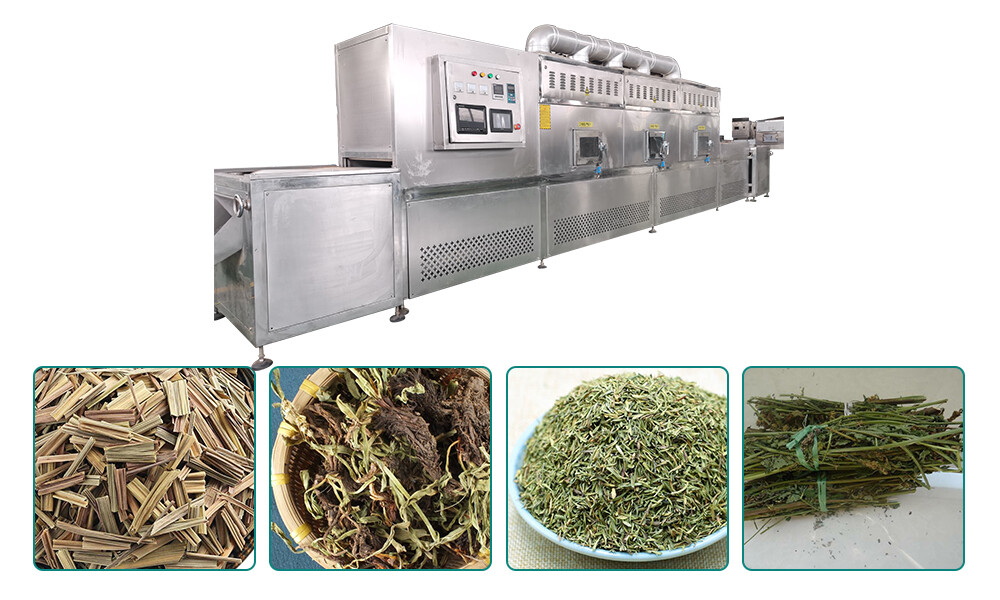
Principle: Microwave sterilization in equipment utilizes the combined effects of electromagnetic field thermal and biological processes. The thermal effect of microwaves on bacteria denatures proteins, depriving bacteria of the conditions for nutrient reproduction and survival, thus achieving food sterilization and preservation. The biological effect of microwaves on bacteria involves the microwave electric field altering the potential distribution across the bacterial cell membrane, affecting the concentration of electrons and ions around the cell membrane, and changing the cell membrane's permeability. Therefore, bacteria become malnourished and unable to metabolize normally.
Applications:
Generally, mold, yeast, and common bacteria can be killed by heating to 70-80℃. Microwave sterilization for just 1 minute can achieve the desired effect. For mold spores, such as those of Penicillium, conventional sterilization at 68-71℃ for 20 minutes is required to eliminate them, while microwave sterilization at 68-71℃ for 2 minutes yields satisfactory results. Microwave sterilization has proven effective in sterilizing, preventing mold, and preserving mooncakes, eliminating the need for imported preservatives. It has also proven highly effective in drying and sterilizing soybean flour, chicken essence, and dried red sweet potatoes.
Advantages:
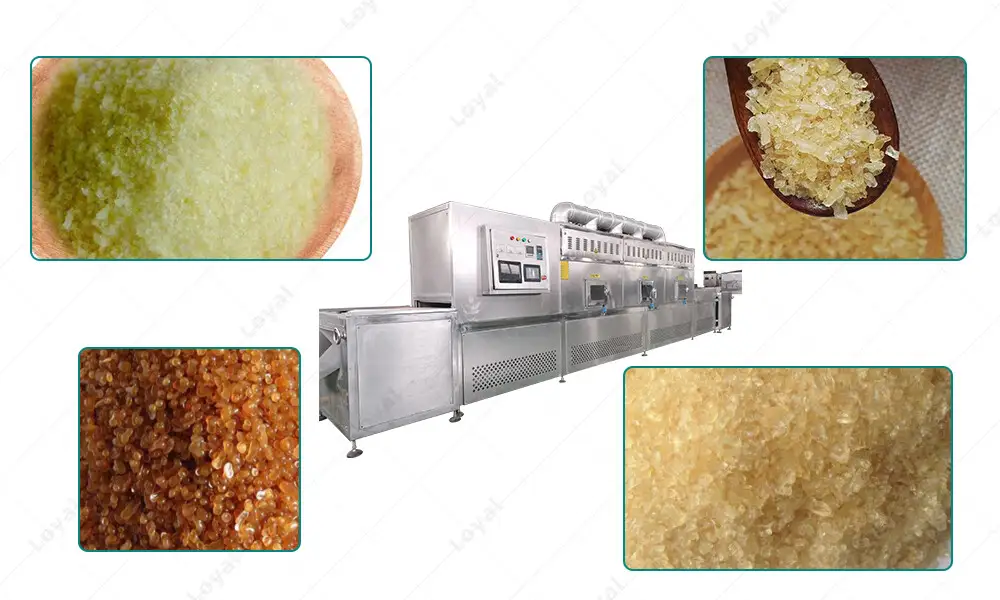
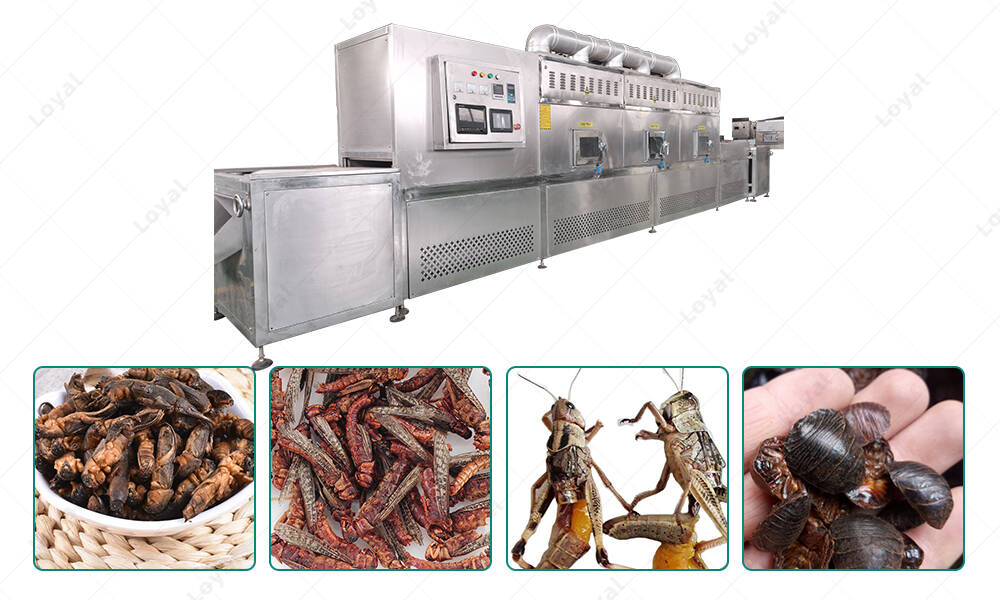
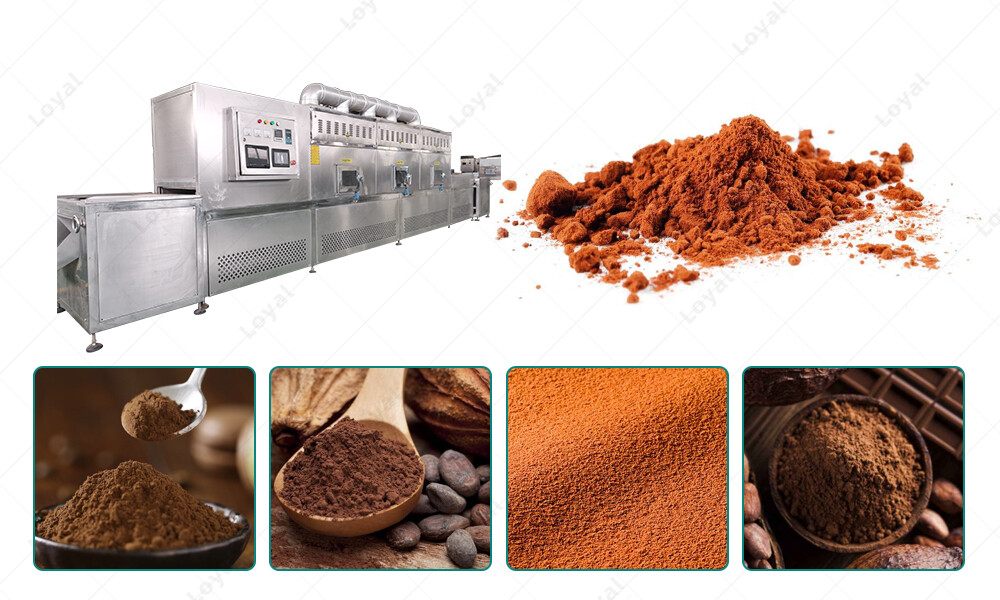
Wide Applicability: Microwave sterilization technology is suitable for various types of products, such as dried fruits, condiments, tea, and medicinal herbs. It can effectively sterilize materials that are difficult to process using traditional methods.
Good Uniformity: Traditional heating methods often transfer heat from the outside in, while microwave heating works simultaneously from the inside out, resulting in a more uniform temperature distribution within the material and preventing surface scorching while the interior remains uncooked.
Preservation of Nutrition and Flavor: Due to its short processing time, microwave sterilization minimizes nutrient loss and helps retain the food's original color, aroma, and texture.
Easy Control: The microwave sterilization process allows for precise control of temperature and time by adjusting power levels. It is simple to operate, highly automated, and suitable for large-scale industrial production.
Energy Saving and Environmental Protection: Compared to traditional steam or hot water sterilization methods, microwave sterilization consumes less energy, reducing energy expenditure and wastewater/exhaust emissions, thus benefiting environmental protection.

Contribution to Environmental Protection: Points to note: When sterilizing packaged food, if using plastic materials, polyethylene (PE) is not recommended as it softens easily. Polypropylene (PP), ABS, polycarbonate (PC), polyester (PET), and nylon are all suitable for microwave use. If using glass bottles, quartz glass, borosilicate glass, and soda-lime glass are preferred. Tempered glass and ordinary glass are not recommended for microwave use as they may shatter. If using paper or wood cellulose materials, short-term heating is fine, but if the material is dry, the microwave field may be uneven, causing it to burn or catch fire. Caution should be exercised when using these materials.
Our factory has been in the microwave industry for over twenty years, with hundreds of clients. We have extensive experience in microwave food sterilization applications. We welcome interested business owners to leave a message to inquire and discuss cooperation!
Reference
The following are five authoritative foreign literature websites in the field of Industrial food machinery:
1. Food Engineering Magazine
Website: https://www.foodengineeringmag.com/
2.Food Processing Magazine
Website: https://www.foodprocessing.com/
3.Journal of Food Engineering
Website:https://www.journals.elsevier.com/journal-of-food-engineering
4. Food Manufacturing Magazine
Website:https://www.foodmanufacturing.com/
5. International Journal of Food Science & Technology
Website:https://onlinelibrary.wiley.com/