



Food Powder Making Machine Manufacturers: How Comprehensive Guide to Selecting the Ideal Manufacturer
Overview of Food Powder Making Machines
Food powder making machines are essential in the industrial food processing sector. These machines are designed to convert various food items into fine powders, which can be used in numerous applications such as baby food, spices, and instant mixes. The primary function of a food powder making machine is to ensure the consistent texture and quality of the powdered product. By using advanced technology, these machines can handle a variety of food materials, including grains, fruits, and vegetables, providing versatility and efficiency in food production processes.
One of the key advantages of using food powder making machines is their ability to enhance the shelf life of food products. By converting foods into powders, the moisture content is significantly reduced, which helps in preventing microbial growth and spoilage. This process is crucial for maintaining the nutritional value and safety of the food products, making it a preferred method in the food industry. Additionally, food powder making machines are designed to operate with high precision and speed, ensuring that the production process is both efficient and cost-effective.
Food powder making machines come in various types, each tailored for specific applications. For instance, there are machines designed specifically for dry foods like spices and grains, while others are better suited for wet foods such as fruits and vegetables. These machines can be equipped with different types of grinding mechanisms, such as hammer mills, pin mills, and ball mills, to achieve the desired particle size and texture. The choice of machine depends on the nature of the food product and the requirements of the production process.
When selecting a food powder making machine, it is important to consider several factors to ensure optimal performance and quality. These factors include the machine's capacity, power consumption, ease of maintenance, and the quality of the materials used in construction. Additionally, it is essential to choose a machine from a reputable manufacturer who provides reliable support and services. By carefully evaluating these factors, businesses can select the right food powder making machine that meets their specific needs and enhances their production capabilities.

Importance of Quality in Food Powder Production
Quality is a critical factor in food powder production due to its direct impact on the safety, nutritional value, and consumer acceptance of the final product. High-quality food powders ensure that the end products meet stringent health and safety standards, minimizing the risk of contamination and spoilage. This is particularly important in industries like baby food, where even the slightest compromise in quality can have severe consequences. Manufacturers of food powder making machines play a crucial role in maintaining this quality by designing equipment that meets industry standards and regulations.
Ensuring consistent quality in food powder production also affects the nutritional content of the products. Properly functioning food powder making machines help preserve the essential nutrients, vitamins, and minerals in the raw ingredients. Advanced technology in these machines allows for precise control over the processing conditions, such as temperature and humidity, which are vital for maintaining the nutritional integrity of the food powders. Consequently, consumers receive products that are not only safe but also beneficial to their health.
From a business perspective, maintaining high quality in food powder production can significantly enhance a company’s reputation and competitive edge. Customers are more likely to trust and remain loyal to brands that consistently deliver high-quality products. This trust translates into repeat purchases and positive word-of-mouth, driving business growth. Furthermore, investing in high-quality food powder making machines can reduce production costs in the long run by minimizing waste, improving efficiency, and reducing downtime caused by equipment malfunctions.
In addition, regulatory compliance is a major aspect of quality in food powder production. Food safety authorities worldwide have stringent guidelines that manufacturers must adhere to. Failure to comply with these regulations can result in severe penalties, product recalls, and damage to a brand’s reputation. By utilizing top-notch food powder making machines, manufacturers can ensure their production processes meet these regulatory requirements, thereby safeguarding their business and ensuring the safety of their consumers.
Key Features of Top Food Powder Machines
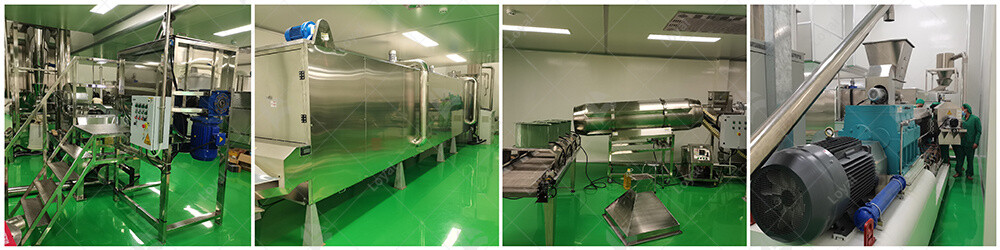
When considering the purchase of a food powder making machine, it's essential to understand the key features that set the best models apart from the rest. One of the primary attributes of top-tier machines is their efficiency. High-quality machines are designed to maximize output while minimizing waste, ensuring that every batch of food powder is produced quickly and with minimal loss. This efficiency not only saves time but also reduces operational costs, making the production process more cost-effective. Additionally, the best food powder making machines offer advanced automation capabilities, allowing for seamless operation with minimal manual intervention.
Another crucial feature of leading food powder making machines is their versatility. Top machines are capable of handling a wide range of food materials, from grains and spices to dried fruits and vegetables. This versatility is achieved through adjustable settings and interchangeable components, which allow the machine to adapt to different types of ingredients and desired powder consistencies. As a result, manufacturers can produce a variety of food powders without needing multiple specialized machines, thus saving on equipment costs and factory floor space.
Durability and build quality are also significant considerations when evaluating food powder making machines. The best machines are constructed from high-grade materials such as stainless steel, which provides excellent resistance to corrosion and wear. This ensures a longer lifespan and reduces the frequency of maintenance and replacement. Additionally, top machines often feature robust safety mechanisms to protect operators and prevent accidents. These safety features can include emergency shut-off buttons, protective guards, and automated sensors that detect and address potential issues before they escalate.
Finally, the ease of cleaning and maintenance is a vital feature of top food powder making machines. Efficient cleaning processes are essential in maintaining hygiene standards and preventing cross-contamination between different batches of food powders. Leading machines are designed with accessible components that can be easily disassembled for thorough cleaning. Moreover, many models include self-cleaning functions that simplify maintenance routines, reducing downtime and ensuring consistent performance. In conclusion, when selecting a food powder making machine, prioritizing efficiency, versatility, durability, and ease of maintenance will ensure that the investment meets production needs and maintains high-quality standards.
Comparing Different Types of Food Powder Machines
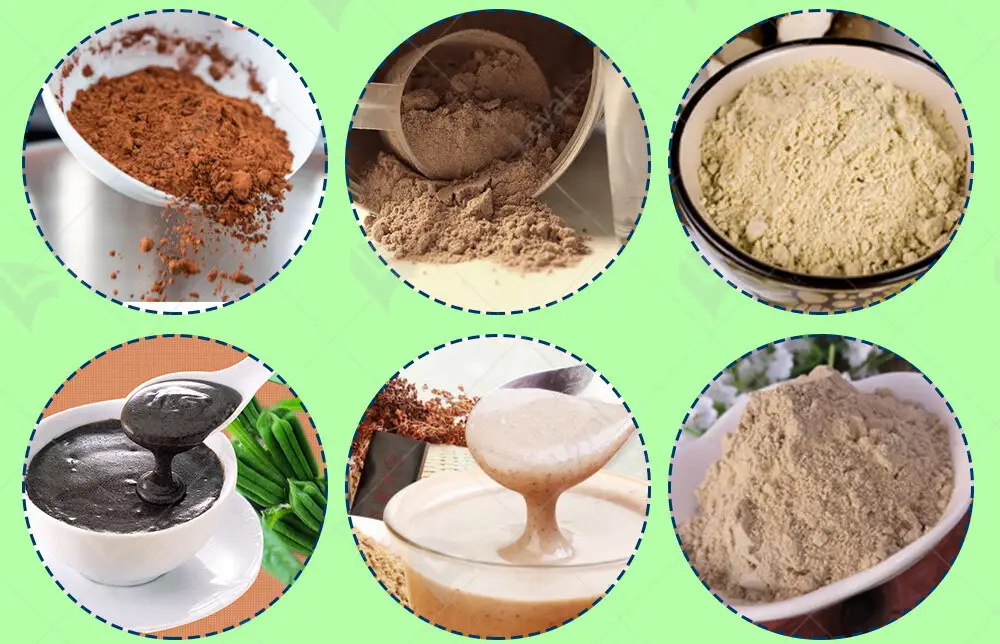
| Machine Type | Description | Key Features |
| Spray Dryers | Uses hot air to atomize liquid food into fine droplets, dried rapidly in a drying chamber. | High throughput, precise control over temperature and air flow, suitable for heat-sensitive products. |
| Vacuum Dryers | Operates under reduced pressure to lower boiling point of water, facilitating gentle drying without damaging nutrients. | Preserves flavor and nutrients, suitable for delicate foods, maintains product integrity. |
| Freeze Dryers | Freezes food and removes ice through sublimation, retaining cellular structure and nutrients. | Long shelf life, preserves color and flavor, ideal for instant coffee and fruit powders. |
| Drum Dryers | Rotates a heated drum to dry food slurry into a film, scraped off as flakes or powder. | Continuous operation, high capacity, suitable for sticky materials. |
| Fluidized Bed Dryers | Suspends particles in a fluidized state with hot air, ensuring even drying and minimal agglomeration. | Uniform drying, gentle handling of fragile particles, good for powders and granules. |
| Tray Dryers | Utilizes multiple trays in an enclosed chamber, hot air circulated to dry food evenly. | Economical, suitable for small-scale production, versatile for various product sizes. |
| Microwave Dryers | Emits microwave radiation to heat and dry food, accelerating moisture removal. | Rapid drying, energy-efficient, maintains nutritional content. |
| Spray-Freezing and Dehydration | Combines spray and freeze drying techniques to produce powders with superior rehydration properties. | Retains original shape and color, improves solubility. |
| Extraction and Evaporation Systems | Extracts juice or extract from food, then evaporates solvent to leave behind powder. | Concentrates flavors and active ingredients, flexible for various food materials. |
| Centrifugal Spray Dryers | Uses centrifugal force to atomize liquid into droplets, dried by hot air in a chamber. | High throughput, precise control over particle size distribution. |
| Pulverizing Systems | Grinds dried food into fine powders using mechanical force. | Uniform particle size, suitable for spices and herbs. |

Cost vs. Quality in Food Powder Machines
When considering food powder making machines, the balance between cost and quality is crucial. This balance directly impacts operational efficiency and product quality in food processing industries.
Firstly, Cost Considerations: Cost varies significantly depending on the machine's complexity, capacity, and brand reputation. Entry-level models may cost less initially but often sacrifice long-term reliability and efficiency. Higher initial investment in quality machines tends to pay off through reduced maintenance costs and higher productivity over time.
Secondly, Quality Factors: The quality of a food powder machine influences overall production efficiency and product consistency. High-quality machines are typically made from durable materials, feature advanced automation, and comply with stringent food safety standards. Such machines ensure consistent powder texture and minimize product wastage, thereby enhancing overall operational efficiency.
Thirdly, Balancing Cost and Quality: Finding the right balance involves assessing operational needs and long-term goals. While opting for cheaper machines might seem economical initially, potential drawbacks such as frequent breakdowns and inconsistent output can outweigh the initial savings. Investing in a higher-quality machine aligns with the goal of sustained productivity and product excellence.
Lastly, Strategic Investment: Manufacturers should view the purchase of food powder machines as a strategic investment rather than a simple cost consideration. Investing in quality ensures reliability, reduces downtime, and supports consistent product quality, ultimately enhancing customer satisfaction and operational profitability.
Striking a balance between cost and quality in food powder machines is pivotal for long-term success in food processing operations. Opting for higher quality machines, despite initial higher costs, offers superior reliability, efficiency, and product consistency, aligning with industry standards and operational excellence.
Innovations in Food Powder Making Technology
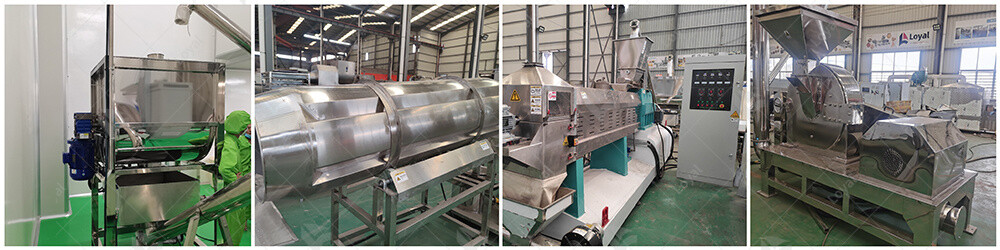
Innovations in food powder making technology have revolutionized the industrial food machinery sector, enhancing efficiency, quality, and versatility in food powder production. These advancements cater to the growing demand for consistent and high-quality food powder products across various industries.
1. Automation and Precision Control
Modern food powder making machines integrate advanced automation systems that streamline production processes. Automated controls ensure precise ingredient dispensing, mixing, and processing, minimizing human error and enhancing product consistency. These systems are equipped with sophisticated sensors and algorithms to monitor and adjust parameters in real-time, optimizing efficiency and reducing wastage.
2. Integration of IoT and Smart Technologies
The integration of Internet of Things (IoT) technologies has enabled smart food powder making machines to connect and communicate with other equipment in the production line. IoT-enabled devices collect and analyze data on production metrics, operational efficiency, and product quality. This data-driven approach allows manufacturers to make informed decisions, improve maintenance schedules, and optimize overall production output.
3. Advanced Materials and Design
Innovative materials and ergonomic design principles have transformed the construction of food powder making machines. Manufacturers are utilizing lightweight yet durable materials that enhance machine longevity and operational efficiency. Moreover, ergonomic designs facilitate ease of cleaning and maintenance, reducing downtime and ensuring compliance with stringent hygiene standards in food processing facilities.
4. Sustainable and Energy-Efficient Solutions
Recent innovations focus on sustainability and energy efficiency in food powder making technology. Manufacturers are implementing energy-saving features such as efficient heat exchange systems, low-energy motors, and optimized process flows. These advancements not only reduce operational costs but also contribute to environmental conservation by minimizing resource consumption and waste generation.
In conclusion, ongoing innovations in food powder making technology underscore a commitment to enhancing productivity, sustainability, and product quality in the industrial food machinery sector. These advancements continue to drive efficiency gains and meet the evolving demands of global food processing industries.
Common Issues with Food Powder Machines and Solutions
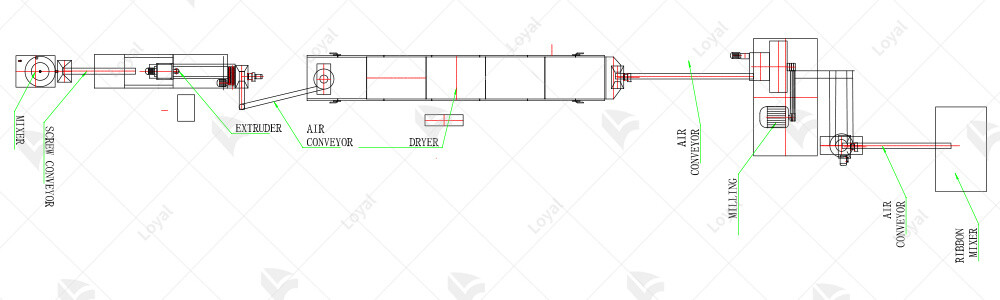
Food powder making machines often encounter several common issues that can hinder production efficiency and quality. Firstly, frequent blockages in the powder dispensing mechanisms can disrupt continuous operation. Secondly, inconsistent particle size distribution may occur, affecting product quality and uniformity. Thirdly, wear and tear of internal components such as blades and sieves can lead to reduced performance over time. Lastly, inadequate dust control systems can pose hygiene and safety risks in the production environment.
These issues can significantly impact production in various ways. Blockages in dispensing mechanisms lead to downtime and manual intervention, delaying production schedules. Inconsistent particle size affects product consistency, which is crucial in food powder applications where uniformity is key. Wear of internal components reduces machine reliability and increases maintenance frequency, adding to operational costs. Poor dust control not only compromises product cleanliness but also poses health hazards to workers and risks of contamination.
To mitigate these issues, proactive maintenance is essential. Regular cleaning and inspection of dispensing mechanisms can prevent blockages. Implementing quality control measures such as regular sieve inspection and calibration helps maintain consistent particle size distribution. Scheduled replacement of worn-out components ensures optimal machine performance and longevity. Installing effective dust extraction systems and adhering to hygiene standards minimize dust exposure risks and maintain a clean production environment.
Manufacturers can enhance machine design by integrating self-cleaning mechanisms in dispensing units to prevent blockages automatically. Advanced technologies such as automated particle size monitoring and adjustment systems can ensure precise control over product quality. Using durable materials for internal components and designing for easy maintenance can extend machine lifespan and reduce downtime. Moreover, integrating comprehensive dust management systems into machine design ensures compliance with safety and hygiene regulations, enhancing overall operational efficiency and worker safety.
References
1.Food Processing Technology - www.foodprocessing-technology.com
2.Food Engineering Magazine - www.foodengineeringmag.com
3.ProFood World - www.profoodworld.com
4.Food Manufacturing - www.foodmanufacturing.com
5.International Society of Automation (ISA) - www.isa.org