



How To Choose The BestWool microwave drying machinery: 2025Buyer’s Guide
If you want to know more story about LOYAL brand, here can help you - https://www.facebook.com/foodmachineloyal
What is Wool Microwave Drying Machinery?
Wool Microwave Drying Machinery is an advanced industrial equipment specifically designed for drying wool fibers using microwave technology. This machinery utilizes electromagnetic waves at microwave frequencies to rapidly remove moisture from wool, offering significant advantages in terms of speed, energy efficiency, and overall drying quality.
1.The Science Behind Wool Microwave Drying Technology
The core principle behind Wool Microwave Drying Machinery involves the use of microwave radiation to generate heat directly within the wool fibers. Microwaves penetrate the wool, causing the water molecules to vibrate at high frequencies. This rapid vibration generates heat, which in turn causes the moisture inside the wool to evaporate.
Unlike traditional drying methods that use external heat sources such as hot air or steam, microwave drying directly targets the water content within the wool. This ensures a faster and more uniform drying process, significantly reducing the drying time required for wool products.
- How Wool Microwave Drying Machinery Works
Microwave Energy Application | The machinery generates microwave energy that is absorbed by the wool. This energy creates heat directly inside the fibers, which accelerates the moisture evaporation process. |
Moisture Removal | As the water molecules inside the wool are heated, they turn into steam and escape the wool fibers. This process helps to reduce the moisture content efficiently without compromising the integrity of the wool. |
Controlled Drying Environment | Wool Microwave Drying Machinery is designed to offer precise control over the drying environment. This allows operators to manage the temperature, moisture levels, and drying time, ensuring consistent results across different batches of wool. |
3.Advantages of Wool Microwave Drying Machinery Over Traditional Methods
Speed and Efficiency | Traditional wool drying methods, such as hot air or tumble drying, can take several hours, depending on the thickness of the wool. Wool Microwave Drying Machinery, on the other hand, can dry wool in a fraction of the time, improving throughput and overall efficiency in wool processing. |
Energy Savings | The microwave drying process is more energy-efficient compared to traditional methods. Since microwaves directly heat the water molecules inside the wool, much less energy is lost compared to external heat sources, resulting in lower energy consumption for the same amount of dried wool. |
Improved Product Quality | Wool Microwave Drying Machinery minimizes the risk of shrinkage, fiber damage, and uneven drying, which are common issues with conventional drying methods. The microwave technology ensures that the wool is dried uniformly, preserving its softness, texture, and elasticity, making it suitable for high-quality textile production. |
Environmental Benefits | As sustainability becomes an increasingly important factor in manufacturing, Wool Microwave Drying Machinery provides an environmentally friendly alternative to traditional drying systems. The reduced energy usage and faster drying cycles contribute to a lower carbon footprint and a greener production process. |
4.Comparison to Conventional Wool Drying Methods
Conventional wool drying methods, such as the use of hot air or steam, rely on transferring heat to the wool through external sources. These processes are slow and may cause damage to delicate wool fibers if the temperature is too high or the drying time is too long. Additionally, the heat is applied from the outside, which can result in uneven drying.
In contrast, Wool Microwave Drying Machinery offers a more advanced solution. The microwaves directly penetrate the wool, ensuring more even moisture distribution and preventing overheating. This not only accelerates the drying process but also ensures the wool retains its desired properties, including its texture and color.
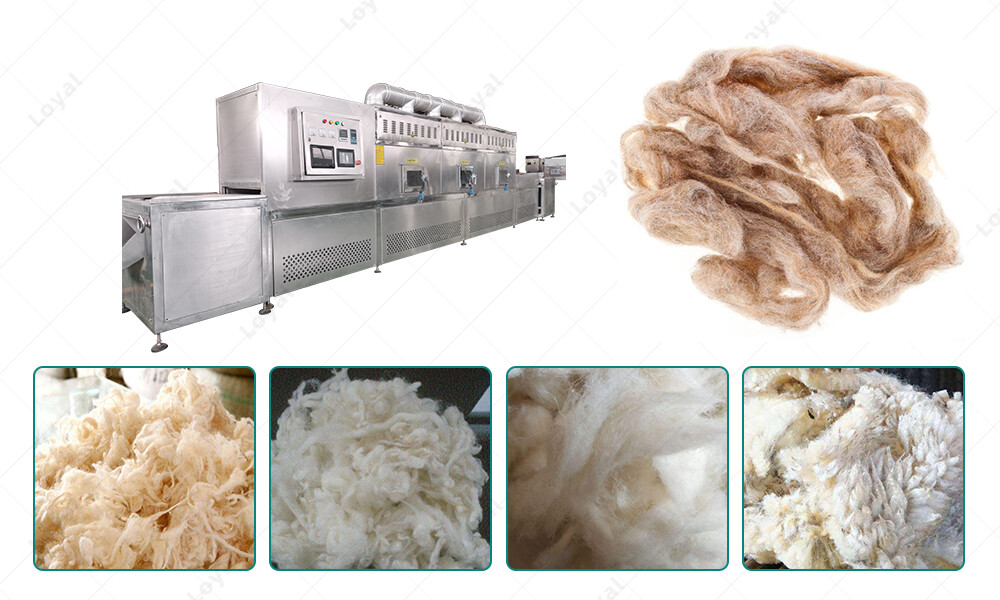
Key Features to Look for in Wool Microwave Drying Machinery
When choosing Wool Microwave Drying Machinery, it’s essential to understand the key features that directly impact both the efficiency of the drying process and the quality of the wool products. As the textile industry increasingly adopts advanced drying technologies, selecting machinery that suits your production needs is crucial for optimizing operations and ensuring the best outcomes. Below are the key features to consider when evaluating wool microwave drying equipment.
1. Drying Speed and Efficiency
One of the primary advantages of Wool Microwave Drying Machinery is its ability to drastically reduce drying time compared to conventional drying methods. The speed at which the machinery can dry wool not only boosts overall productivity but also enhances throughput in large-scale operations.
When evaluating drying speed, look for machinery that offers high processing rates without compromising quality. The faster the drying time, the more wool can be processed in a given period, increasing your production capacity. Additionally, efficient systems ensure that heat is applied uniformly, which contributes to faster and more consistent drying.
2. Energy Consumption and Sustainability
As industrial production scales up, energy efficiency becomes increasingly important. Wool drying is an energy-intensive process, and traditional methods often consume large amounts of electricity or fuel. In contrast, Wool Microwave Drying Machinery is designed to use energy more effectively by targeting moisture directly within the wool fibers.
Opt for machinery that minimizes energy waste. Some advanced systems come with built-in features such as power-saving modes, energy usage monitoring, and optimized microwave power settings. These innovations allow you to lower operational costs while contributing to more sustainable production practices by reducing your carbon footprint.
3. Moisture Control and Temperature Regulation
Effective moisture control and temperature regulation are critical in the wool drying process. Wool Microwave Drying Machinery should provide precise control over both the drying temperature and moisture levels. This ensures that the wool is dried evenly and efficiently, with minimal risk of damage or over-drying.
Look for systems that offer adjustable settings to cater to different types of wool. For example, the machinery should have the capability to control temperature levels in response to varying moisture content, preventing overheating and ensuring the wool retains its softness, texture, and elasticity.
4. Durability and Maintenance Requirements
Wool Microwave Drying Machinery is a significant investment, so it’s important to select equipment that is durable and requires minimal maintenance. Look for machines constructed with high-quality materials that can withstand the rigors of industrial environments. Stainless steel and corrosion-resistant components are typically ideal for this kind of machinery.
Additionally, consider the ease of maintenance. Equipment with user-friendly maintenance schedules, easily replaceable parts, and diagnostic tools for troubleshooting can minimize downtime and reduce overall maintenance costs.
5. Size and Space Considerations
The size of the Wool Microwave Drying Machinery should match the scale of your production. For smaller operations, compact models may suffice, while larger-scale factories may require industrial-grade systems with greater drying capacity. It's also important to consider the space available in your facility. Ensure that the machine fits within your designated drying area while allowing for proper airflow and ease of operation.
Check whether the machinery can be customized for specific space constraints, and make sure that the layout optimizes workflow efficiency.
6. Automation and User Interface
Modern Wool Microwave Drying Machinery often comes with automated controls, allowing operators to set and forget certain aspects of the drying process. A user-friendly interface with easy-to-read displays and programmable settings can help reduce human error and streamline the operation.
Look for machinery that includes automatic monitoring systems for moisture levels, temperature, and drying time, as these features can ensure consistent results across different wool batches. In addition, automated systems can notify operators when maintenance or service is required, further improving operational efficiency.
7. Scalability and Flexibility
As your business grows, your machinery should be able to scale with it. The best Wool Microwave Drying Machinery is flexible enough to handle a range of wool products and drying capacities. Check whether the system can be easily upgraded or modified to meet increasing production demands, or if it offers modular components that can be added as needed.
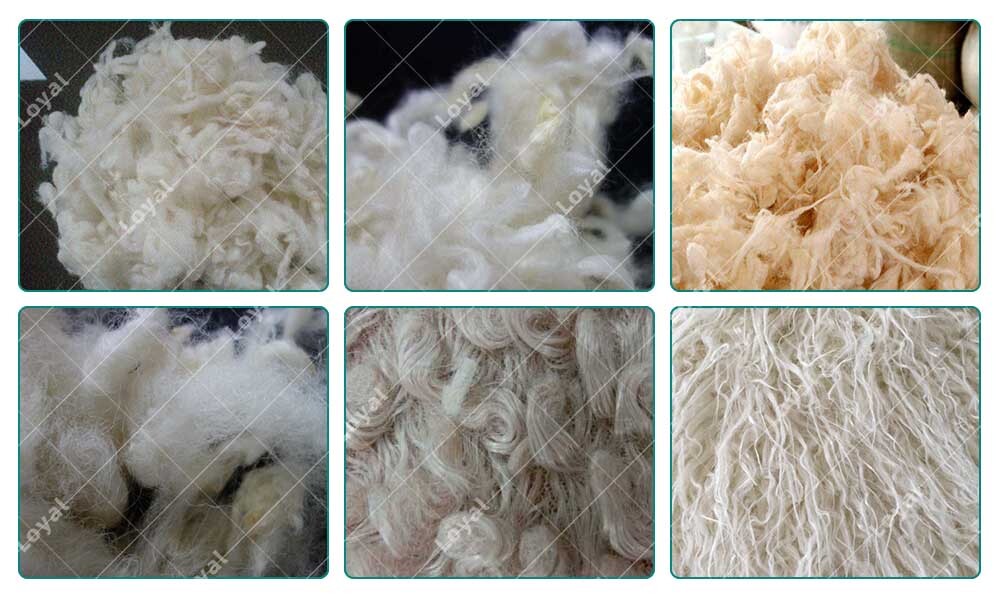
Scalability also means being able to process different wool types (e.g., fine wool, coarse wool) without compromising the quality of the dried product. The machinery should have the flexibility to adapt to various wool grades, ensuring a high standard of output across all production stages.
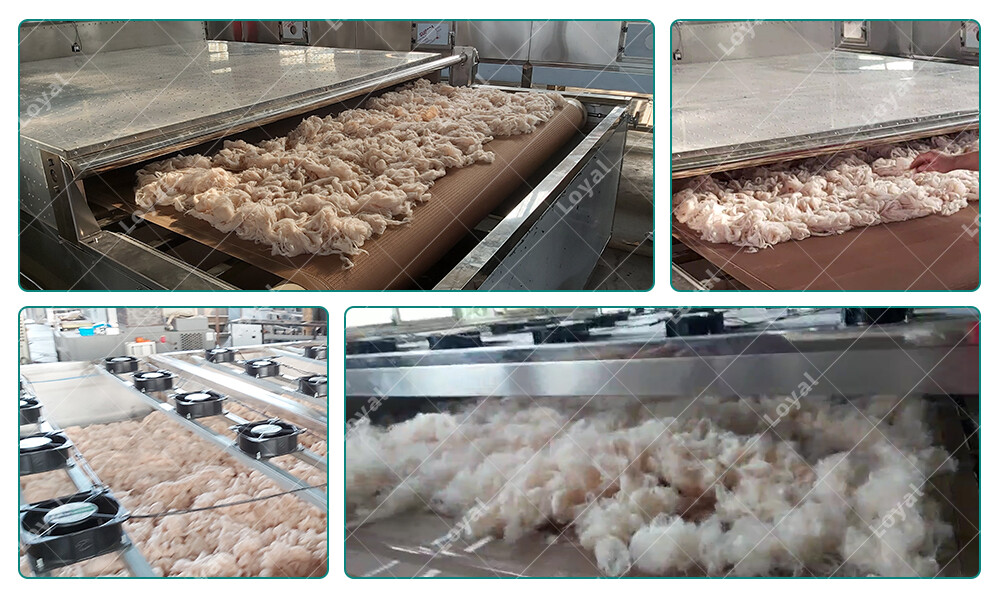
Technical Parameters Of Continuous Microwave Dryer Industrial Microwave Drying Machine | |||||
| Model | Size LWH(Can be customized according to the customer's requirements) | Output power | Dewaterability | Sterilization capacity | Baking and Roasting capacity (Depends on different raw material) |
| LY-10KW | 5000mm825mm1750mm | ≥10KW | 10KG/Hour | 100KG/Hour | 30-50KG/Hour |
| LY-20KW | 8000mm825mm1750mm | ≥20KW | 20KG/Hour | 200KG/Hour | 60-100KG/Hour |
| LY-30KW | 8500mm1160mm1750mm | ≥30KW | 30KG/Hour | 300KG/Hour | 90-150 KG/Hour |
| LY-40KW | 10000mm1160mm1750mm | ≥40KW | 40KG/Hour | 40KG/Hour | 120-200KG/Hour |
| LY-50KW | 12500mm1160mm1750mm | ≥50KW | 50KG/Hour | 500KG/Hour | 150-250KG/Hour |
| LY-60KW | 13500mm1450mm1750mm | ≥60KW | 60KG/Hour | 600KG/Hour | 180-300KG/Hour |
| LY-70KW | 13500mm1500mm1750mm | ≥70KW | 70KG/Hour | 700KG/Hour | 210-350KG/Hour |
| LY-80KW | 13500mm1650mm1750mm | ≥80KW | 80KG/Hour | 800KG/Hour | 240-400KG/Hour |
| LY-100KW | 16800mm1650mm1750mm | ≥100KW | 100KG/Hour | 1000KG/Hour | 300-500KG/Hour |
| LY-150KW | 22400mm1850mm1750mm | ≥150KW | 150KG/Hour | 1500KG/Hour | 450-750KG/Hour |
| LY-200KW | 27000mm1850mm1750mm | ≥250KW | 250KG/Hour | 2500KG/Hour | 750-1250/Hour |
| LY-300KW | 32000mm1850mm1750mm | ≥300KW | 300KG/Hour | 3000KG/Hour | 900-1500KG/Hour |
Power Supply | 380V±10% 50Hz±1% Three-Phase Five-Wire | ||||
Microwave Output Frequency | 2450±50Mhz | ||||
Microwave Input Apparent Power | ≤168Kva | ||||
Microwave Output Power | ≥120Kw | ||||
Microwave Power Adjustment Range | 0-30Kw(Adjustable) | ||||
Ambient Temperature | -5-40°C | ||||
Relative Humidity | ≤80%, Surrounding Environment:No Corrosive Gas, Conductive Dust And Explosive Gas | ||||
Transmission Speed | 0-10m/Min(Adjustable) | ||||

Recommended Company
Shandong Loyal Industrial Co.,Ltd. Is a Manufacturer Of Snacks Extruder Machine , Industrial Microwave Oven , Corn Flakes Production Line , And a Standing Director Of China Food And Drying Equipment Industry Association.
The Self-developed Twin-screw Extruder And Single-screw Equipment of Shandong Loyal Machinery Have Been Used In Production: Puffed Snack Food, Breakfast Cereal Corn Flakes, Fried Pasta, Bread Crumbs, Fruit Chips, Baby Food, Textured Soy Protein (tsp) Food, Fish Feed And Pet Food. a Variety of Snack Production Line Supporting Products.at The Same Time, The Batching, Drying, Flaking, Baking, Frying And Spraying Equipment Matching The Twin-screw Extrusion System Have All Achieved Independent Design And Production.
Our Extrusion System Is Widely Used In: Puffed Snack Foods, Breakfast Cereals, Vegetable Protein Meat Products, Nutrition Bars, FortifiedRice, Grain Nutrition Powder, Modified Starch, Bread Crumbs And Other Food Additives, Pet Food, Aquatic Feed, Biology And Chemical Industries.
Customer-specific Food Processing Plant Project Solutions
As one of the leading manufacturers of food processing equipment, we are always searching for new solutions that benefit our snack food customers. Our experienced frying engineers always find the optimal solution for your industrial batch and continuous frying system line application. That's why we also develop, design and produce custom fried snack production line.
Close collaboration with our customer is important to us even in the early development phase. No matter what the special requirements of instant noodles production line, snack food extruder machine, pasta production line application, we can develop a custom made food processing equipment to match your needs.
Loyal have a unique and efficient industrial continuous frying equipment for snack food extruder machine that provides the right crunch and desired moisture level.
In ovens or drying units, electric or gas can be used as heating sources.
The Industrial Microwave Sterilization Defrosting Drying Machine can be designed as a dry powder dosing system and a wet slurry dosing system as required.
Some snacks can also be fried according to taste requirements, and we also provide Fried Snack Production Line for the processing and packaging of fried extruded snacks.
About packaging and after-sales service
Packing: Plastic Film Suitable For Ocean Carriage
Technical Support: The customer can inform machine related problems to us via telephone, email or fax. All information will be recorded and will be reported to the After-sale Service team. Meanwhile, the sales person will be tracking the case until problem solved.
Service Team:We have a professional After-sale Service team including10 professional engineers with at least 6 years working experience. They can handle technical consultation about manufacturing process, maintenance, fault diagnosis and troubleshooting, etc.
After-sale Service available :1.Check & test before delivery 2.Instruction for installation 3.On site commissioning 4.Repair & maintenance
After the receipt the advanced payment, we will provide allocation chart at the buyer’s request. When effect the shipment, we’ll provide operation manual, etc. in English.
Reference
The following are five authoritative foreign literature websites in the field of Industrial food machinery:
1. Food Engineering Magazine
Website: https://www.foodengineeringmag.com/
2.Food Processing Magazine
Website: https://www.foodprocessing.com/
3.Journal of Food Engineering
Website:https://www.journals.elsevier.com/journal-of-food-engineering
4. Food Manufacturing Magazine
Website:https://www.foodmanufacturing.com/
5. International Journal of Food Science & Technology
Website:https://onlinelibrary.wiley.com/