



Everything you need to know about baby food nutritional powder processing line making machine in 2024
Overview of the Baby Food Industry
The baby food industry plays a crucial role in ensuring the nutrition and health of infants worldwide. It encompasses a diverse range of products designed specifically for infants and toddlers, aiming to provide essential nutrients in a convenient and safe form. The demand for nutritious baby food products has been steadily rising, driven by increasing awareness among parents about the importance of early childhood nutrition.
In recent years, technological advancements have revolutionized the production processes within the baby food industry. One such innovation that has significantly enhanced efficiency and quality is the fully automatic baby food nutritional powder processing line making machine. This machine represents a leap forward in manufacturing capabilities, offering streamlined processes from raw material input to final packaging.
The development of these automated systems has not only accelerated production but also ensured consistency in product quality and safety standards. Manufacturers now have access to sophisticated equipment that integrates mixing, blending, drying, and packaging functionalities seamlessly. This comprehensive approach not only meets stringent regulatory requirements but also addresses consumer expectations for high-quality, nutritious baby food products.
Introduction to the Fully Automatic Baby Food Nutritional Powder Processing Line Making Machine
In the competitive landscape of food manufacturing, especially in the niche market of baby food production, the integration of advanced technology has become paramount. The fully automatic baby food nutritionalpowder processing line making machine represents a pinnacle of innovation in this sector, catering specifically to the rigorous standards of infant nutrition.
This sophisticated machinery is designed to handle every stage of the production process with precision and efficiency. From the initial handling of raw ingredients to the final packaging of nutritional powder, each step is meticulously controlled to ensure optimal product quality and safety.
At the heart of these machines lie advanced mixing and blending systems that ensure uniform distribution of essential nutrients in the powder. These systems are equipped with state-of-the-art sensors and automation features, allowing for real-time monitoring and adjustments to maintain consistency.
Furthermore, the drying and powdering systems within the machine utilize cutting-edge technology to minimize moisture content and preserve the nutritional integrity of the final product. This is crucial in producing baby food that meets strict nutritional guidelines and remains free from contaminants.
The packaging and sealing technology integrated into these machines not only enhances shelf-life but also ensures that each package of nutritional powder is securely sealed to prevent any potential contamination post-production.
Overall, the introduction of fully automatic baby food nutritional powder processing line making machines has revolutionized the industry by offering manufacturers unprecedented control over production processes while meeting the highest standards of quality and safety.
Technological Innovations
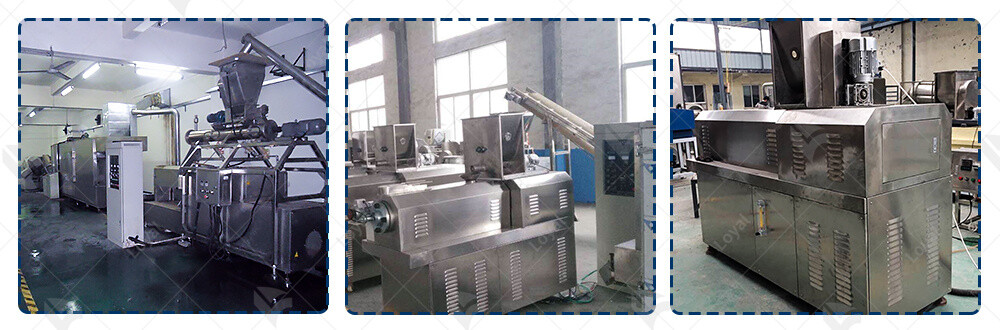
In the realm of food machinery, especially within the niche of baby food production, technological innovations have played a pivotal role in advancing manufacturing capabilities. The fully automatic baby food nutritional powder processing line making machine stands as a testament to these advancements, incorporating cutting-edge technologies to enhance efficiency, precision, and product quality.
Advanced Automation Features:
Modern machines are equipped with sophisticated automation features that streamline the entire production process. Automated systems handle tasks such as ingredient mixing, blending, and precise dosing of nutritional elements, ensuring consistent product quality batch after batch. These automation capabilities not only reduce human error but also increase production throughput, making the manufacturing process more efficient and cost-effective.
Integration of IoT and Smart Sensors:
The integration of Internet of Things (IoT) technology and smart sensors has revolutionized how manufacturers monitor and control their production lines. IoT-enabled machines can collect real-time data on various parameters such as temperature, humidity, and ingredient flow rates. This data is then analyzed to optimize production parameters, maintain product consistency, and preemptively detect and address any potential issues.
Energy-Efficient Solutions:
In response to global sustainability efforts, manufacturers have developed energy-efficient solutions for baby food nutritional powder processing line making machines. These solutions include energy-saving motors, optimized heating and cooling systems, and intelligent power management strategies. By reducing energy consumption without compromising production efficiency, these machines help lower operational costs and minimize environmental impact.
Enhancements in Product Consistency and Quality:
The technological advancements in these machines ensure precise control over the entire production process, from raw material input to final product packaging. This level of control translates into consistent product quality, meeting stringent regulatory standards and consumer expectations for safety and nutritional value. Enhanced product consistency also contributes to brand reputation and customer satisfaction, driving market competitiveness.
In summary, the technological innovations in fully automatic baby food nutritional powder processing line making machines have reshaped the landscape of infant nutrition manufacturing. These machines not only enhance operational efficiency and product quality but also pave the way for future advancements in the industry.
Benefits of Fully Automatic Processing
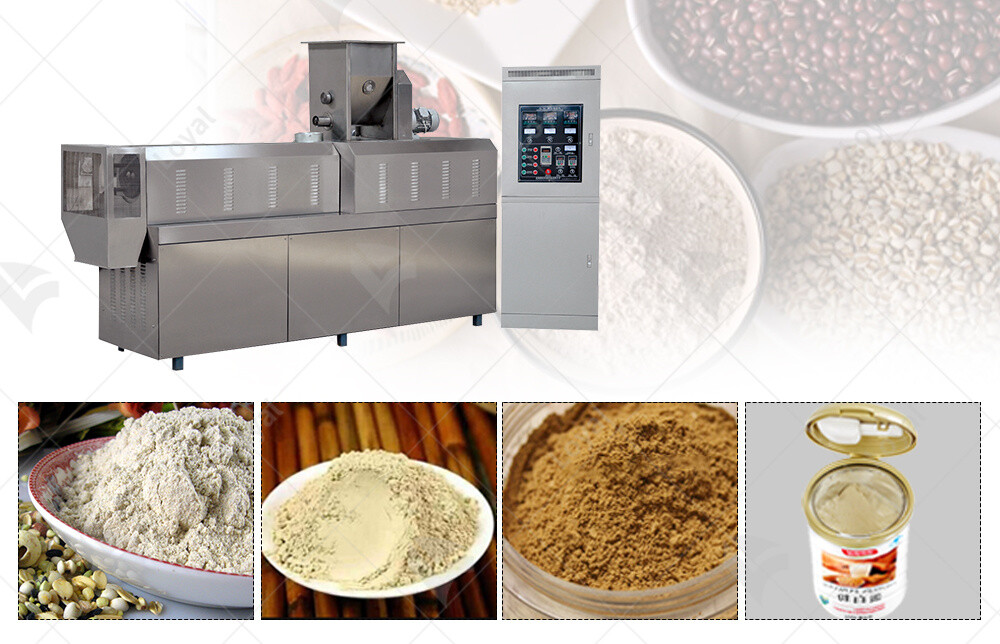
The adoption of fully automatic baby food nutritional powder processing line making machines offers a multitude of advantages to manufacturers seeking to optimize their production processes and enhance product quality.
Increased Production Efficiency:
One of the primary benefits of fully automatic processing is its ability to significantly increase production efficiency. These machines are designed to handle large volumes of production with minimal human intervention, reducing the reliance on manual labor and speeding up the overall manufacturing process. This efficiency translates into higher output rates and reduced production costs over time.
Reduction in Labor Costs:
By automating repetitive tasks such as ingredient mixing, blending, and packaging, fully automatic machines reduce the need for manual labor. This not only decreases labor costs but also mitigates the risk of human error, ensuring consistent product quality and safety standards. Manufacturers can reallocate human resources to more strategic roles, further enhancing operational efficiency.
Improved Safety and Hygiene Standards:
Fully automatic machines adhere to stringent safety and hygiene standards required in food production environments. These machines are constructed from materials that are easy to clean and sanitize, minimizing the risk of contamination and ensuring product integrity. Automated processes also reduce direct human contact with food, enhancing overall hygiene levels and compliance with regulatory requirements.
Enhanced Product Shelf Life and Nutritional Value:
The precision and consistency offered by fully automatic processing ensure that each batch of baby food nutritional powder maintains its nutritional value and flavor profile. From precise ingredient measurements to controlled drying and packaging processes, these machines preserve the freshness and shelf life of the final product. This reliability strengthens consumer trust and satisfaction, fostering brand loyalty in a competitive market.
In conclusion, the benefits of adopting fully automatic baby food nutritional powder processing line making machines extend beyond operational efficiency to encompass improved safety, product quality, and consumer satisfaction. These machines represent a strategic investment for manufacturers looking to elevate their production capabilities while meeting the evolving demands of the baby food industry.

Implementation and Operational Considerations
Implementing a fully automatic baby food nutritional powder processing line making machine requires careful planning and consideration of various operational factors to ensure seamless integration and optimal performance.
Installation and Setup Process | The installation of a fully automatic processing line begins with site preparation and equipment layout planning. Manufacturers must ensure that the facility meets the necessary infrastructure requirements, such as adequate space, ventilation, and utility connections. Once the site is ready, trained technicians oversee the installation process, including assembling individual machine components and conducting initial testing to verify functionality. |
Staff Training and Support | Effective staff training is essential to maximize the benefits of automated processing technology. Manufacturers should provide comprehensive training programs tailored to operators, maintenance personnel, and quality assurance teams. Training sessions cover machine operation, troubleshooting procedures, safety protocols, and maintenance routines. Ongoing technical support from equipment suppliers ensures that staff can address any operational challenges promptly and efficiently. |
Maintenance and Troubleshooting | Regular maintenance is crucial for the continuous operation and longevity of fully automatic processing machines. Manufacturers should establish a preventive maintenance schedule that includes routine inspections, lubrication of moving parts, and calibration of sensors and controls. Proactive maintenance helps identify potential issues early, minimizing downtime and optimizing production efficiency. Additionally, troubleshooting protocols should be in place to address common issues swiftly, supported by accessible technical documentation and remote support from equipment providers. |
Cost Analysis and ROI | Investing in a fully automatic baby food nutritional powder processing line making machine requires a thorough cost-benefit analysis. Manufacturers should consider upfront equipment costs, installation expenses, ongoing operational costs (such as energy consumption and maintenance), and potential savings in labor costs and production efficiency. Calculating return on investment (ROI) involves projecting the financial benefits over the machine's lifecycle, factoring in increased production capacity, improved product quality, and reduced operational risks. |

Measurable Improvements in Production and Quality
The adoption of fully automatic baby food nutritional powder processing line making machines has led to significant advancements in both production efficiency and product quality within the food manufacturing industry.
1.Increased Production Efficiency:
Fully automatic processing lines streamline production processes, allowing manufacturers to achieve higher output rates compared to traditional methods. These machines operate continuously with minimal downtime, optimizing resource utilization and reducing production cycle times. Automated systems for ingredient handling, mixing, and packaging ensure consistent product flow and eliminate bottlenecks, enabling manufacturers to meet growing market demand efficiently.
2.Enhanced Product Consistency:
Consistency in product quality is a hallmark of fully automatic processing machines. These systems are engineered to precisely control parameters such as ingredient proportions, mixing times, and drying temperatures, ensuring uniformity in every batch of baby food nutritional powder. Enhanced product consistency not only meets stringent regulatory requirements but also enhances consumer trust and brand reputation, driving customer loyalty and repeat business.
3.Improved Safety Standards:
Automation minimizes human contact with food during processing, reducing the risk of contamination and ensuring higher food safety standards. Fully automatic machines are constructed from hygienic materials that are easy to clean and sanitize, adhering to strict food safety regulations. Automated quality control mechanisms monitor critical parameters throughout the production cycle, promptly identifying deviations and ensuring compliance with safety and quality standards.
4.Optimized Resource Utilization:
Efficient resource management is another benefit of fully automatic processing lines. These machines are designed to optimize energy consumption, water usage, and raw material utilization, minimizing waste and environmental impact. Advanced monitoring systems and real-time data analytics enable manufacturers to make informed decisions for continuous process improvement, achieving sustainability goals while maintaining operational efficiency.
Future Trends and Developments
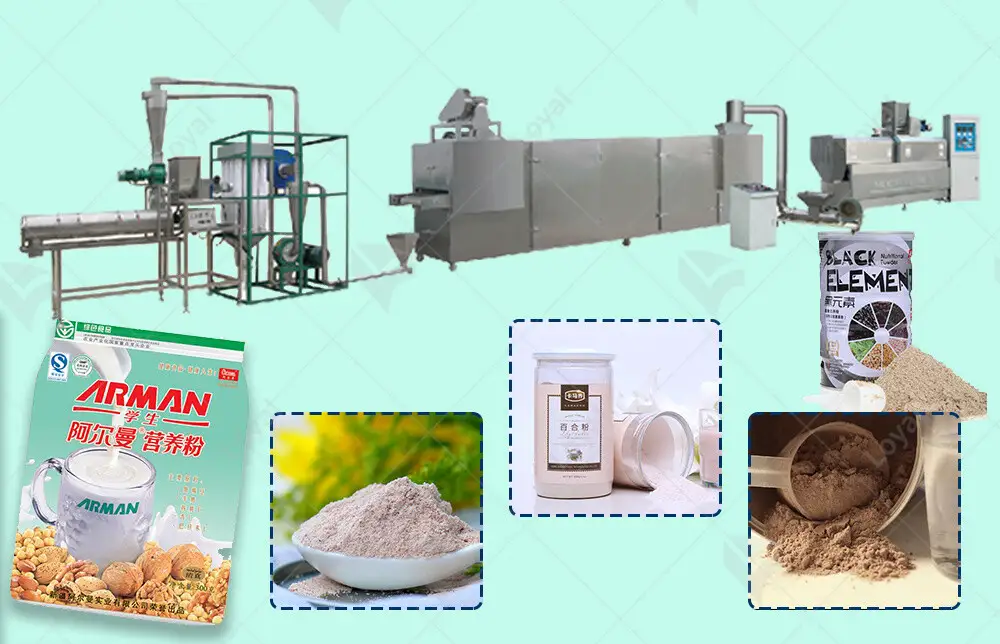
The future of fully automatic baby food nutritional powder processing line making machines promises to be shaped by emerging technologies and evolving consumer preferences, paving the way for innovative advancements in food manufacturing.
Integration of Artificial Intelligence (AI) and Machine Learning:
AI-driven technologies are expected to revolutionize the capabilities of processing machines. Machine learning algorithms can analyze vast amounts of data collected from production processes, optimizing operational parameters in real-time to enhance efficiency and quality. AI-powered predictive maintenance systems will anticipate equipment failures before they occur, minimizing downtime and maximizing uptime.
Enhanced IoT Connectivity:
The Internet of Things (IoT) will continue to play a pivotal role in connecting machines, sensors, and production environments. IoT-enabled processing lines will enable remote monitoring and control, empowering manufacturers to oversee operations from anywhere in the world. Real-time data analytics will drive continuous improvement initiatives, allowing manufacturers to adapt quickly to market demands and regulatory changes.
Focus on Sustainability:
Environmental sustainability will be a key driver of future developments in food machinery. Manufacturers will prioritize energy-efficient designs, recyclable materials, and waste reduction strategies in their processing line technologies. Sustainable practices will not only align with corporate social responsibility initiatives but also resonate with environmentally conscious consumers seeking products with minimal ecological footprints.
Customization and Personalization:
Consumer demand for personalized nutrition solutions will drive the development of modular and customizable processing lines. Machines capable of producing tailored nutritional formulations based on specific dietary needs and preferences will gain prominence in the market. Flexible production capabilities will enable manufacturers to respond swiftly to niche market trends and consumer preferences, fostering brand differentiation and market competitiveness.
Global Market Expansion:
As the global demand for nutritious baby food continues to rise, manufacturers will explore new geographic markets and expand their production capacities. Fully automatic processing lines will facilitate scalability and localization, enabling manufacturers to adapt products to regional tastes and regulatory requirements efficiently. Strategic partnerships and collaborations will further drive market penetration and innovation in the food machinery sector.
Reference
The following are five authoritative foreign literature websites in the field of Industrial food machinery:
1. Food Engineering Magazine
Website: https://www.foodengineeringmag.com/
2.Food Processing Magazine
Website: https://www.foodprocessing.com/
3.Journal of Food Engineering
Website:https://www.journals.elsevier.com/journal-of-food-engineering
4. Food Manufacturing Magazine
Website:https://www.foodmanufacturing.com/
5. International Journal of Food Science & Technology
Website:https://onlinelibrary.wiley.com/