



A modified starch production line is a complete processing system designed to transform native starch – derived from corn, cassava, potato, wheat, or peas – into functional modified starches with enhanced properties such as improved thermal stability, controlled viscosity, freeze-thaw resistance, and superior binding or film-forming capabilities. This fully integrated line covers every stage from raw material pre-treatment and slurry preparation to chemical or physical modification, neutralisation, washing, dewatering, drying, milling, sieving, and automated packaging. Engineered with precision control systems, corrosion-resistant materials, and energy-efficient drying technologies, our production lines deliver consistent product quality across a wide range of applications – including food processing, papermaking, textile manufacturing, construction materials, and pharmaceuticals. Whether you require acid-hydrolysed, oxidised, cross-linked, esterified, or pregelatinised starches, we offer customisable solutions tailored to your capacity, raw material type, and end-product specifications.
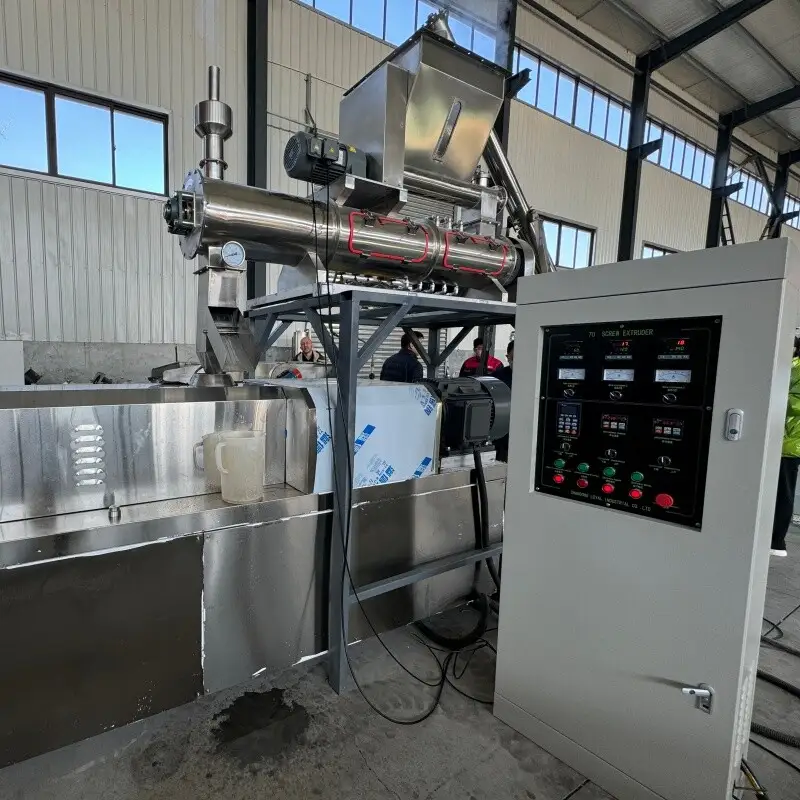
modified starch production line Recommend Products
modified starch production line Detail Introduction
Modified starch is one of the most versatile functional ingredients used across the food, paper, textile, construction, and pharmaceutical industries. By altering the physical or chemical properties of native starch, manufacturers can achieve desired characteristics such as improved thermal stability, enhanced freeze-thaw resistance, controlled viscosity, and better film-forming ability. However, producing high-quality modified starch consistently and cost-effectively requires a purpose‑built, well‑engineered production line – not just a collection of generic processing equipment.
Native starch, whether derived from corn, cassava, potato, wheat, or peas, has inherent limitations. It tends to retrograde, loses viscosity under high temperatures or shear, and performs poorly in acidic or frozen environments. These shortcomings restrict its direct use in many modern industrial applications. Modification – through physical (pregelatinisation), chemical (acid hydrolysis, oxidation, cross‑linking, esterification, etherification), or enzymatic routes – overcomes these drawbacks and transforms ordinary starch into a high‑value ingredient with tailored functionalities. The market for modified starch is growing rapidly, driven by rising demand for processed foods, sustainable papermaking, high‑performance textiles, and advanced building materials. This growth makes investing in a dedicated modified starch production line a strategically sound decision for both new entrants and established starch processors.
A complete modified starch production line typically covers the entire manufacturing chain: raw material receiving and pre‑treatment, slurry preparation, the modification reaction itself, neutralisation and washing, mechanical dewatering, drying, milling and sieving, optional post‑blending, and finally automated packaging. Each stage must be precisely controlled to ensure product uniformity, high yield, and low operating costs. The choice of equipment, materials of construction, control system, and process layout directly impacts the quality of the final product – from the degree of substitution (DS) and viscosity profile to particle size distribution and moisture content.
This comprehensive guide is written for production managers, plant engineers, and business owners who are planning to set up or upgrade a modified starch production line. We will walk you through every critical aspect – from understanding the different modification methods and selecting the right raw materials, to evaluating key equipment components, comparing technical parameters, and following a practical 13‑step purchasing roadmap. By the end of this article, you will have a clear, actionable framework to make an informed investment that matches your capacity requirements, product specifications, and budget constraints.
Whether you are aiming for food‑grade modified starches with strict hygiene standards, industrial‑grade products for paper and textile applications, or specialty starches for construction chemicals, the production line must be designed with flexibility and precision in mind. Let’s begin by exploring the core features that define a high‑performance modified starch production line, and then dive into the detailed process steps that turn raw starch into a premium functional ingredient.
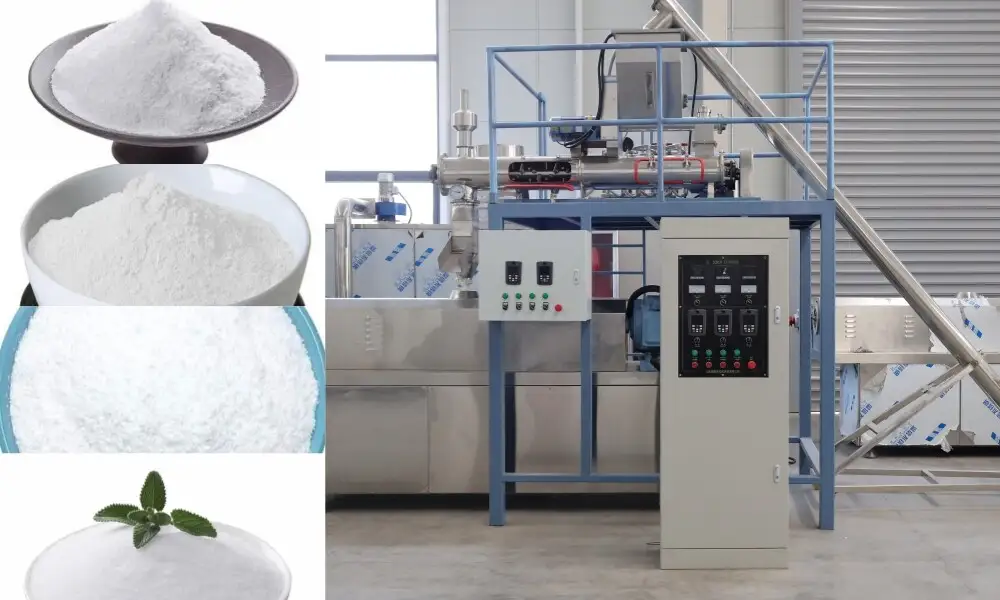
1.Key Features of the Production Line
A modified starch production line is a significant capital investment, and its long-term profitability depends heavily on the engineering choices made during the design and selection phase. Beyond basic functionality, the best production lines are defined by a set of core features that directly impact product quality, operational efficiency, maintenance costs, and environmental compliance. Below, we break down the eight most critical features that distinguish a high‑performance modified starch line from a mediocre one. Understanding these will help you ask the right questions when evaluating different suppliers.
Precision Reaction Control – The Heart of Consistency
The modification reaction is the most sensitive stage in the entire process. Whether you are performing acid hydrolysis, oxidation, cross‑linking, or esterification, the reaction kinetics depend on precise control of temperature, pH, reagent concentration, and residence time. A well‑designed production line integrates high‑accuracy sensors (thermocouples, pH probes, and mass flow meters) connected to a closed‑loop control system. This ensures that the degree of substitution (DS) and viscosity remain within tight tolerances from batch to batch. Without this precision, you risk off‑spec products, increased rework, and customer complaints. Look for lines that offer automated reagent dosing with peristaltic or metering pumps, as well as jacketed reactors with rapid heating and cooling response.
Multi‑Process Flexibility – One Line, Multiple Products
The starch modification market is diverse. A single production facility may need to produce pregelatinized starch for instant soups, oxidized starch for paper coating, cross‑linked starch for yogurt, and esterified starch for textile sizing. A rigid line designed for only one process quickly becomes a liability. The ideal production line is built with modular process sections that allow you to switch modification methods with minimal downtime and simple parameter adjustments. Interchangeable reactor configurations, auxiliary dosing lines for different reagents, and adaptable drying settings give you the agility to respond to changing market demands without investing in separate lines for each product type.
High‑Level Automation with PLC/HMI Control
Manual operation of a modified starch line is not only labor‑intensive but also prone to variability. Modern lines feature centralized PLC (Programmable Logic Controller) systems with intuitive HMI (Human‑Machine Interface) touchscreens. Operators can monitor real‑time process data, set recipes for different starch types, and receive audible/visual alarms for any deviation outside preset limits. Advanced systems also include data logging and remote access capabilities, allowing your production manager or the supplier's technical team to review performance trends and diagnose issues without being physically present. The return on investment for automation is quickly realized through reduced labor costs, lower raw material waste, and consistently higher first‑pass yield rates.
Corrosion‑Resistant Construction for Wet‑End Equipment
Chemical modification involves handling acids (e.g., hydrochloric, sulfuric), alkalis (e.g., sodium hydroxide), and oxidizing agents (e.g., sodium hypochlorite). These chemicals are highly corrosive to ordinary carbon steel. All components that come into direct contact with the slurry – including the reaction vessel, transfer pumps, piping, valves, and the neutralization tank – must be fabricated from appropriate corrosion‑resistant materials. Stainless steel 304 is suitable for mild conditions, while 316L is recommended when chlorides or stronger acids are used. Some suppliers also offer rubber‑lined or glass‑lined reactors for extreme environments. Overlooking this aspect leads to frequent equipment replacement, product contamination, and unplanned production stoppages.
Energy‑Optimized Drying Systems with Heat Recovery
Drying is typically the most energy‑intensive step in modified starch production, accounting for up to 40‑50% of total operating costs. Efficient drying technology directly affects your bottom line. Flash dryers are commonly used for free‑flowing powders, while fluidized bed dryers offer gentler handling for more delicate products. The best systems incorporate heat recovery units that capture exhaust heat and reuse it for pre‑heating inlet air or for other process needs. Variable‑frequency drives (VFDs) on fans and blowers further reduce electricity consumption by matching airflow to actual production load. When comparing quotations, always ask for the specific heat consumption (kcal per kg of water evaporated) – this figure will tell you more about long‑term operating costs than the initial purchase price.
Broad Raw Material Adaptability
Not all starches behave the same way. Corn starch has a different granule size, gelatinization temperature, and amylose/amylopectin ratio compared to cassava, potato, or wheat starch. A well‑engineered production line is designed with adjustable parameters – such as mixer speed, reaction temperature profiles, and drying inlet temperatures – to accommodate these differences without requiring major hardware changes. This flexibility is particularly valuable if your raw material supply varies by season or if you plan to explore alternative botanical sources to reduce costs. Ask your supplier whether they have tested the line with your specific starch type and whether they can provide reference process recipes.
Integrated Environmental Compliance Systems
Environmental regulations are becoming stricter worldwide. Wastewater from washing and neutralization contains dissolved solids, residual chemicals, and organic matter; exhaust gases from drying carry fine starch dust and volatile compounds. A responsible production line design includes built‑in treatment solutions: neutralization tanks with pH adjustment, sedimentation or flotation units for suspended solids, and cyclones or wet scrubbers for dust collection. Some lines also feature closed‑loop water circulation systems to significantly reduce fresh water consumption. Investing in these environmental features upfront not only ensures regulatory compliance but also improves your corporate sustainability profile – a growing consideration for downstream customers.
Compact, Customizable Layout with Modular Expansion
Factory space is often limited, and future expansion may be on the horizon. Modern modified starch lines are designed with a compact footprint without compromising maintenance access. The equipment can be arranged in a straight line, L‑shape, or multi‑level configuration to fit your specific building dimensions. Modular design also means that you can start with a lower capacity and add additional reactors, dryers, or packaging units later as your business grows. This scalability protects your investment and allows you to match capital expenditure to your actual sales growth. Be sure to request a detailed layout drawing from your supplier early in the negotiation process to ensure the proposed configuration is feasible and efficient.
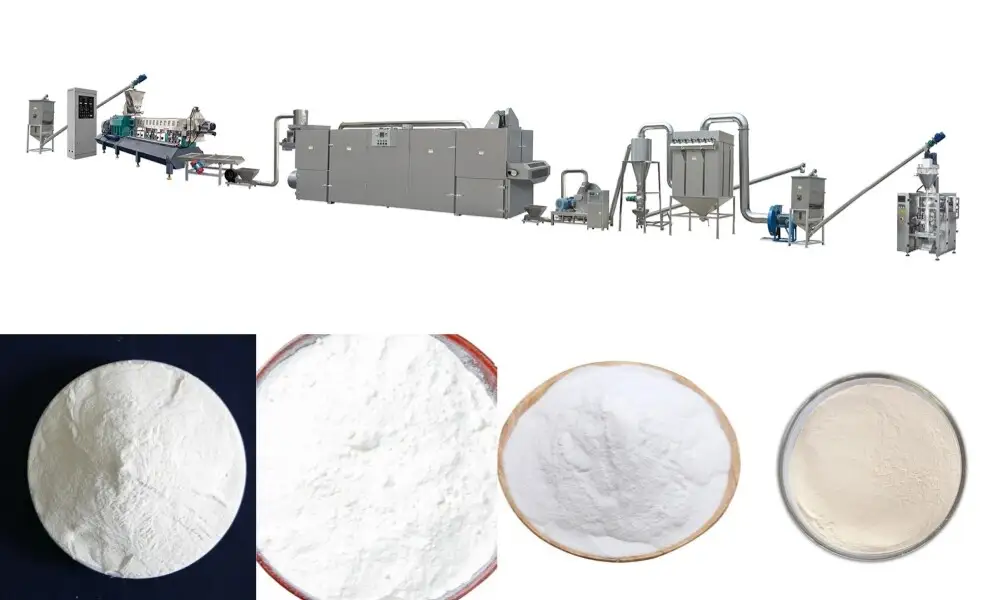
2.More In‑depth Descriptions
Having covered the introduction and the core features that define a high‑performance modified starch production line, we now turn our attention to the technical depth that truly separates a basic system from an exceptional one. This section delves into the nuances of different modification methods, the critical quality parameters that must be controlled, the specific requirements of various end‑use industries, and the scalability considerations that affect long‑term investment decisions. Understanding these deeper technical aspects will not only help you select the right equipment but also enable you to optimize your production processes for maximum efficiency and product quality.
Comparative Analysis of Modification Methods
Modified starches are produced through three primary routes – physical, chemical, and enzymatic modification. Each method imparts distinct functional properties to the final product, and the choice of method determines the design and configuration of your production line.
Physical Modification (Pregelatinisation): This process involves heating starch in the presence of water to break down the granular structure, followed by drum drying, spray drying, or extrusion. The resulting pregelatinized starch can swell and dissolve in cold water, making it ideal for instant foods, cake mixes, and cold‑processed sauces. Physical modification is the simplest route, requiring no chemical reagents and producing no chemical residues – a clean‑label advantage increasingly valued by food manufacturers. However, it offers limited control over specific functional properties compared to chemical methods. Production lines for physical modification are typically more straightforward, with drum dryers or extruders as the core equipment, but they still require careful control of moisture, temperature, and residence time to avoid over‑gelatinization or scorching.
Chemical Modification: This is the most widely used category and includes several sub‑types:
Acid Hydrolysis (Thinning): Starch is treated with dilute acid (usually hydrochloric or sulfuric) at temperatures below gelatinization. The acid cleaves glycosidic bonds, reducing molecular weight and producing starches with lower hot viscosity but stronger gel strength. Acid‑thinned starches are used in confectionery (gum candies), textile warp sizing, and paper coating. The production line requires corrosion‑resistant reactors with precise temperature control and efficient neutralization/washing systems to remove residual acid.
Oxidation: Sodium hypochlorite, hydrogen peroxide, or other oxidizing agents are used to introduce carboxyl and carbonyl groups into the starch molecule. Oxidized starches exhibit lower viscosity, improved clarity, and excellent film‑forming properties – perfect for paper surface sizing, coating binders, and as a substitute for gum arabic in certain food applications. Oxidation lines must include careful reagent dosing controls and robust wastewater treatment, as the reaction generates chloride by‑products.
Cross‑linking: Reactive agents such as sodium trimetaphosphate, epichlorohydrin, or phosphorus oxychloride create chemical bridges between starch molecules. Cross‑linked starches maintain viscosity under high temperature, acid, and shear – making them essential for canned foods, sterilized soups, and salad dressings. Cross‑linking reactions require accurate control of reagent dosage and reaction time, as over‑cross‑linking leads to insoluble, pasty products.
Esterification and Etherification: These reactions introduce chemical groups (acetate, hydroxypropyl, phosphate, etc.) that improve freeze‑thaw stability, water binding, and texture. For example, hydroxypropylated starches resist retrogradation in frozen foods, while acetylated starches provide increased stability in acidic environments. These processes typically require both a reaction stage and a subsequent washing stage to remove unreacted chemicals.
Enzymes such as amylases, pullulanases, or branching enzymes are used to precisely modify molecular structure. Enzymatic modification offers the highest specificity and produces starches with targeted molecular weight distributions and functional profiles. It is often used for producing clean‑label, low‑glycemic, or high‑fiber starch derivatives for specialty food and nutraceutical markets. Production lines for enzymatic modification must include temperature‑controlled reactors, precise enzyme dosing systems, and a deactivation step to stop the reaction at the desired point. Enzyme costs and process time are higher than chemical methods, but the value‑added products command premium prices.
Critical Quality Parameters and How the Line Controls Them
The commercial success of a modified starch production operation hinges on consistent product quality. Below are the key parameters you must monitor, along with the production line features that enable their control:
- Viscosity (Hot and Cold): Measured using a Brabender or RVA (Rapid Visco Analyzer), viscosity is the most important functional property for most applications. Viscosity is influenced by the degree of modification, molecular weight, and residual impurities. The production line maintains viscosity consistency through precise reagent dosing, reaction time control, and uniform heat transfer. In‑line viscometers can be integrated for real‑time monitoring and feedback control.
- Degree of Substitution (DS): For esterified and etherified starches, DS refers to the average number of substituted hydroxyl groups per glucose unit. DS directly affects water solubility, freeze‑thaw stability, and emulsifying properties. Reagent dosage, pH, and reaction time are the primary control variables. Advanced lines use mass flow meters and metering pumps to achieve DS within ±0.02 tolerance.
- Gelatinization and Pasting Temperature: The temperature at which starch granules swell and gelatinize affects processing behavior in downstream applications. This is controlled by the modification chemistry and can be adjusted by selecting appropriate reagents and reaction conditions.
- Moisture Content: Target moisture is typically 10‑14% for stability and microbiological safety. The drying system – whether flash, fluidized bed, or combined – must achieve uniform residual moisture without over‑drying (which causes degradation) or under‑drying (which promotes caking). Multi‑zone drying with online moisture sensors provides the tightest control.
- Particle Size Distribution: Final particle size affects solubility, flowability, and packaging density. The milling and sieving section must be adjustable to produce a range of mesh sizes, from fine powders (100‑200 mesh) to coarser grades (40‑60 mesh). Rotor speed, screen perforation, and classifier settings are the key adjustment points.
- pH and Residual Reagents: After neutralization and washing, the final pH must meet either food‑grade (pH 5.0‑6.5) or industrial‑grade specifications. Adequate washing capacity (both water volume and residence time) ensures that residual reagents and by‑products are reduced to acceptable levels. The line should include pH monitoring at multiple stages and automated neutralization with inline mixers.
Industry‑Specific Application Requirements
Different industries demand different modified starch properties. Understanding these nuanced requirements allows you to configure your production line for the target markets you wish to serve.
- Food Industry: Food‑grade modified starches must comply with strict regulatory standards (FDA, EFSA, Codex Alimentarius, etc.) regarding purity, residual chemicals, and labeling. Equipment must be hygienically designed with smooth surfaces, crevice‑free welds, and easy clean‑in‑place (CIP) capabilities. Applications range from soups, sauces, and bakery fillings (requiring high viscosity and freeze‑thaw stability) to confectionery (requiring slow‑setting gels) and dairy products (requiring clean flavor and smooth texture). The production line should include food‑approved lubricants, high‑grade stainless steel (304/316), and thorough cleaning protocols.
- Papermaking Industry: For paper and board manufacturing, modified starches are used as surface sizing agents and coating binders. Key requirements include high film strength, low dusting, and good compatibility with pigments and synthetic binders. Industrial‑grade modified starches are typically more cost‑sensitive, so the production line must achieve the necessary quality at competitive processing costs. Oxidation and acid‑hydrolysis are the dominant methods here, with high production volumes justifying large‑scale continuous lines.
- Textile Industry: Warp sizing is a major application, where modified starches provide temporary strength to yarns during weaving. Requirements include high adhesion to fibers, uniform film formation, and easy removal (desizing) after weaving. Acid‑thinned and oxidized starches are commonly used. The line must produce starches with consistent viscosity and pH, as even minor variations can cause weaving defects and downtime.
- Construction and Building Materials: Modified starches are increasingly used as water‑retention agents and binding agents in tile adhesives, gypsum joint compounds, and dry‑mix mortars. Cross‑linked and esterified starches provide extended open time, improved workability, and better adhesion. These applications require economical, high‑volume production with emphasis on fine particle size and consistent water absorption characteristics.
- Pharmaceutical and Nutraceutical: Modified starches serve as excipients (fillers, binders, disintegrants) in tablet formulations and as encapsulation agents for functional ingredients. These applications demand the highest purity levels, low microbial counts, and tight particle size specifications. Lines for pharmaceutical‑grade starches require GMP (Good Manufacturing Practice) design, controlled environments, and rigorous quality testing.
Scalability and Expansion Planning
One of the most strategic decisions when investing in a modified starch production line is planning for future growth. The best lines are built with modularity and scalability in mind, allowing you to start modestly and expand as your market share increases.
- Modular Reactor Design: Instead of a single large reactor, consider multiple smaller reactors that can be operated in parallel. This approach allows you to increase capacity by adding reactors without redesigning the entire line. It also provides redundancy – if one reactor requires maintenance, others can keep production running.
- Common Utility Infrastructure: When designing the plant layout, oversize your utility systems (steam boiler, compressed air, cooling tower, water treatment) from the outset. The incremental cost of installing larger pipes and bigger boilers today is far less than the disruption and expense of retrofitting later.
- Expandable Drying Capacity: Dryers are often the bottleneck in a modified starch line. Specifying a dryer with variable speed and additional heating stages allows you to increase throughput with relatively minor modifications. Some suppliers offer dryer systems with plug‑in modules for later expansion.
- Future‑Proof Control Systems: Choose a PLC/HMI system that can accommodate additional I/O (input/output) points for future equipment. Also, ensure the software platform supports multiple recipes and can be updated remotely.
- Real‑World Case Example: A customer in Southeast Asia initially installed a 1 t/h line for oxidized starch used in papermaking. Within two years, they entered the food starch market, requiring esterification capabilities. Because they had chosen a modular line with spare dosing stations and an adaptable reactor, they were able to add the necessary reagent lines and software recipes for less than 20% of the cost of a new line. This strategic approach protected their investment and accelerated their market entry.
Common Pitfalls and How to Avoid Them
Even with a well‑designed production line, several operational challenges can affect performance:
- Inconsistent Raw Material Quality: Starch properties vary by crop season, region, and cultivar. Without proper pre‑treatment and parameter adjustment, final product quality fluctuates. Mitigation: Implement rigorous incoming raw material testing and build a library of process recipes for different starch lots.
- Reagent Over‑dosing or Under‑dosing: Manual reagent addition is highly unreliable. Even with automated dosing, poor pump calibration or clogged lines can cause deviations. Mitigation: Install redundant mass flow meters, conduct daily calibration checks, and use positive‑displacement pumps with feedback control.
- Drying Non‑uniformity: Localized overheating in the dryer can cause scorching or discoloration, while insufficient drying leads to caking in storage. Mitigation: Choose dryers with uniform air distribution, install temperature sensors at multiple points, and implement a post‑drying conditioning step (cooling and gentle agitation).
- Inadequate Washing: Residual chemicals not only affect product purity but also cause corrosion and scaling in downstream equipment. Mitigation: Design the washing stage with counter‑current flow for maximum efficiency, and monitor effluent conductivity as an indicator of wash completion.
- Scale Formation in Reactors: Hard water or residual starch can form scale on reactor walls, impairing heat transfer and creating contamination risks. Mitigation: Use softened water, schedule routine CIP (clean‑in‑place) cycles, and specify reactors with polished internal surfaces.
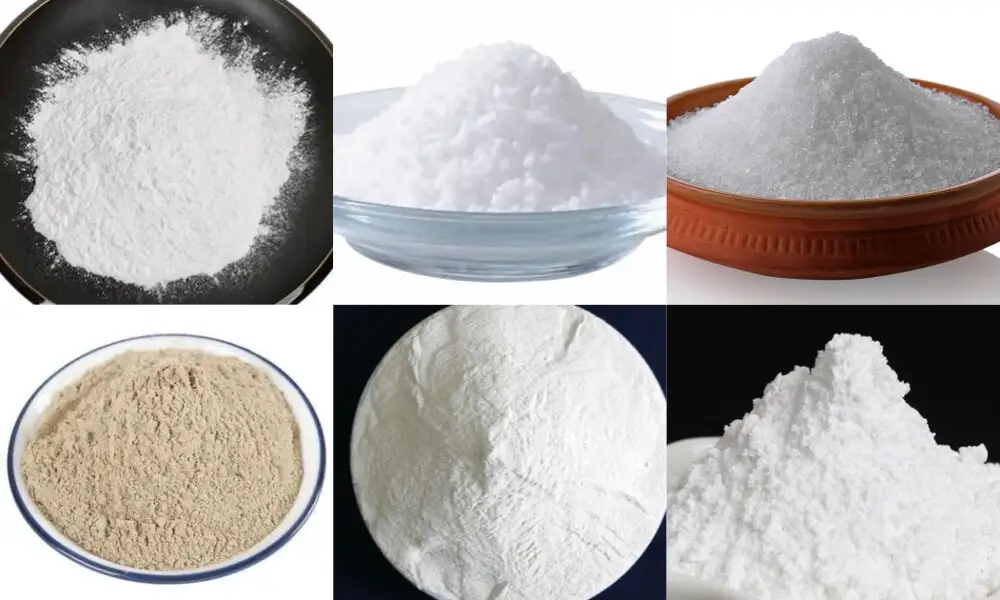
3.Modified Starch Production Line: The Complete Purchasing Guide
Purchasing a modified starch production line is a complex, multi‑dimensional decision that goes far beyond comparing price quotes. It involves aligning process technology with your product goals, matching equipment design with your factory constraints, and balancing upfront capital expenditure against long‑term operating costs. To help you navigate this process with confidence, we have broken down the entire procurement journey into 13 clear, actionable steps. Follow this guide systematically, and you will be well‑equipped to select a production line that delivers consistent product quality, operational efficiency, and a strong return on investment.
4.Define Your End‑Product Specifications and Target Application Markets
Before you even contact a single supplier, you must have a crystal‑clear picture of what you intend to produce and who you intend to sell to. Determine whether you need food‑grade, industrial‑grade, feed‑grade, or pharmaceutical‑grade modified starch, as each comes with different hygiene standards, purity requirements, and regulatory frameworks. Also identify your target downstream industries – whether food processing, papermaking, textile, construction, or nutraceuticals – because each sector demands different functional properties such as viscosity range, freeze‑thaw stability, film‑forming strength, or water retention. Document all critical quality parameters upfront, including degree of substitution (DS), particle size distribution, pH, and moisture content. A line designed for one market segment may be entirely unsuitable for another, so getting this step right from the beginning prevents costly mismatches later.
5.Select the Core Modification Process Route and Reaction System
With your target products defined, the next step is to determine which modification method – or combination of methods – your production line must support. Decide whether you need physical modification (pregelatinisation via drum drying or extrusion), chemical modification (acid hydrolysis, oxidation, cross‑linking, esterification, or etherification), or enzymatic modification using specific biocatalysts. Each route requires different reactor designs, temperature control systems, reagent dosing mechanisms, and downstream washing or deactivation stages. If you plan to produce multiple modified starch types to diversify your product portfolio, consider a multi‑purpose flexible line that allows you to switch between processes with minimal hardware changes and simple software recipe adjustments. Your choice here will define the core architecture of the entire production line, so evaluate your current product roadmap and future expansion plans carefully before making this decision.
6.Calculate Production Capacity and Scale Scientifically
Capacity planning is where many buyers make their first mistake – either over‑estimating (leading to unnecessary capital expenditure) or under‑estimating (resulting in bottlenecks and lost sales). Base your calculation on reliable data: actual raw material availability, firm sales orders or realistic market projections, and your desired operating schedule (single shift, double shift, or 24/7 continuous operation). Production lines typically range from 500 kg/h for pilot or small‑scale commercial operations up to 5 t/h or more for large industrial plants – choose the scale that matches your mid‑term (3‑5 year) demand profile. We strongly recommend selecting a line with a capacity 1.2 to 1.5 times your current calculated requirement, as the incremental cost of sizing equipment slightly larger today is far less than the expense and production disruption of upgrading later. Also consider seasonal fluctuations in raw material supply or downstream demand, and ensure your line can operate efficiently at partial loads during off‑peak periods.
7.Balance the Automation Level with Labor Force Configuration
The degree of automation you choose has a profound impact on both upfront cost and ongoing operational expenses, and the optimal choice depends on your local labor costs, operator skill levels, and quality consistency requirements. Manual control offers the lowest initial investment but carries high labor costs, significant human error risk, and batch‑to‑batch variability. Semi‑automatic control automates some stages while keeping critical reactions under manual supervision, offering a compromise but still leaving room for inconsistency. Fully automatic PLC/HMI systems control every stage of the process with centralized touchscreen interfaces, enabling operators to monitor real‑time data, select pre‑programmed recipes, and receive alarms for any deviations – drastically reducing labor requirements, improving first‑pass yield, and delivering unparalleled batch‑to‑batch consistency. Advanced systems also offer data logging, trend analysis, and remote access for troubleshooting. With proper training, the return on investment from automation is typically achieved within 12‑18 months through reduced waste, lower labor costs, and premium product quality.
8.Strictly Inspect Corrosion‑Resistant Material Standards for Wet‑End Equipment
Chemical modification involves handling acids, alkalis, and oxidising agents, and if your equipment cannot withstand these aggressive chemicals, you will face frequent breakdowns, product contamination, and potentially dangerous leaks. All wet‑end components – including the reaction vessel, transfer pumps, piping, valves, fittings, and the neutralisation tank – must be constructed from appropriate corrosion‑resistant materials. Stainless steel 304 is suitable for mild conditions such as pregelatinisation or low‑concentration acid hydrolysis, but 316L stainless steel is strongly recommended when handling chlorides (as in oxidation) or stronger acids due to its superior pitting and crevice corrosion resistance. For extremely aggressive environments, some suppliers offer rubber‑lined or glass‑lined (enamel) reactors, which provide excellent chemical resistance but require careful handling. Always request material certifications, mill test certificates, and weld inspection records, and ensure that gaskets, seals, and O‑rings are made of compatible materials like PTFE, EPDM, or Viton – skimping on material quality leads to premature equipment failure and costly unplanned downtime.
9.Focus on Drying System Energy Efficiency and Heat Recovery Capability
Drying is almost always the largest consumer of energy in a modified starch production line – often accounting for 40‑50% of total operating costs – so the drying technology you select has a direct, long‑term impact on your profitability. Compare flash dryers, which offer rapid drying with short residence times and are excellent for free‑flowing, heat‑tolerant products, against fluidized bed dryers, which provide gentler, more uniform drying for heat‑sensitive or sticky products. Ask your supplier for specific energy consumption data – the heat consumption per kilogram of water evaporated (kcal/kg H₂O) – rather than accepting vague claims, and use this figure to directly compare the operating efficiency of different proposals. Look for systems that incorporate heat recovery units to capture exhaust heat and reuse it for pre‑heating incoming air, which can reduce overall steam consumption by 15‑25%, and check for variable‑frequency drives (VFDs) on blowers and fans that allow airflow to match actual production load. Energy costs are only going to rise, and choosing a more efficient drying system today is one of the smartest financial decisions you can make.
10.Implement Environmental Treatment Solutions and Waste Discharge Compliance
Environmental regulations are tightening globally, and non‑compliance can result in hefty fines, forced shutdowns, or even criminal liability – so a responsible production line design must include integrated waste treatment from the outset. For wastewater management, ensure your line includes neutralisation tanks with automated pH adjustment (typically using lime or caustic soda), sedimentation basins or dissolved air flotation (DAF) units to remove suspended solids, and filter presses or decanters for sludge dewatering, with closed‑loop water circulation systems being highly desirable to reduce fresh water consumption. For exhaust gas treatment, install cyclones for coarse dust collection followed by wet scrubbers or baghouse filters to achieve particulate emission levels below regulatory limits. Spent reagents, filter cake, and rejected product must be handled according to local regulations – some by‑products can even be valorised as animal feed or used in other industrial processes. Ensure your supplier can provide comprehensive environmental compliance documentation, including expected effluent quality, emission rates, and recommended treatment methods, as this will be invaluable when applying for your operating permits.
11.Verify the Precision of Reaction Control and Chemical Dosing Systems
The difference between a premium modified starch and an off‑spec product often comes down to the precision of the reaction stage, where inaccurate reagent dosing or poor temperature/pH control leads to inconsistent degree of substitution (DS), variable viscosity, and high rejection rates. Examine the reagent dosing technology – look for mass flow meters (Coriolis type) rather than simple volumetric meters, and peristaltic pumps or precision metering pumps that deliver reagents with an accuracy of ±0.5% or better. Check that temperature probes (PT100 class A), pH sensors with automatic temperature compensation, and pressure transmitters are from reputable brands such as Endress+Hauser, Rosemount, or Yokogawa, as cheap sensors drift frequently and compromise control accuracy. Beyond hardware, the PLC software must include PID (Proportional‑Integral‑Derivative) control loops that respond quickly to process disturbances, and advanced systems may even include model‑predictive control for the most demanding reactions. The system should also have redundant alarms and automatic cut‑offs if critical parameters exceed safe limits, protecting both product quality and operator safety, and you should understand what daily or weekly calibration checks are required to maintain long‑term accuracy.
12.Confirm the Customized Factory Layout and Spatial Adaptability
Equipment performance means nothing if it does not fit into your factory building, so never assume that standard dimensions will work without verification. Request detailed 2D and 3D layout drawings from your supplier and carefully check that the total equipment footprint matches your available floor space, including the building's column spacing, ceiling height, and door widths for equipment delivery. Also evaluate whether the proposed material flow – from raw material feeding at one end to finished product packaging at the other – is logical, efficient, and free from cross‑contamination risks, with adequate space allocated for maintenance access, operator walkways, and future expansions. Ask whether the line can be configured in different arrangements – such as straight‑line, L‑shaped, or multi‑level – to accommodate challenging or irregular building layouts, and discuss any site‑specific constraints like low overhead clearance, limited floor loading capacity, or restricted utility access points. If your building is already constructed, consider inviting the supplier for an on‑site survey to ensure their proposed layout is genuinely feasible before you commit to any purchase.
13.Evaluate Integration Compatibility with Upstream and Downstream Equipment
A production line does not operate in isolation – it must seamlessly connect with your existing or planned upstream raw material preparation systems and downstream packaging and storage facilities. Examine whether the inlet section of the modified starch line can smoothly accept materials from your current starch milling, conveying, and storage systems, including considerations of feed rates, conveying methods (pneumatic vs. mechanical), and interim storage buffer capacities. Similarly, verify that the outlet section can interface with your packaging machinery – such as automatic weighing scales, bagging machines, palletisers, and stretch‑wrapping units – without requiring extensive modifications or creating bottleneck points. Check whether the control systems can communicate using common industrial protocols like OPC UA or Modbus TCP, enabling seamless data exchange and centralized supervisory control across your entire plant. If you are planning future expansions or new equipment additions, discuss with your supplier how the line's design can accommodate these changes, and whether they can provide interface adaptors, additional I/O points, or software upgrades as your factory evolves.
14.Inquire About Consumable Lifespan and Spare Parts Supply System
Every production line has wear parts that require periodic replacement, and understanding the expected lifespan and availability of these consumables is essential for planning maintenance budgets and avoiding unexpected shutdowns. Ask your supplier for a complete list of consumable items – such as screen meshes for sieving, hammer mill beaters and screens, filter cloths for dewatering, pump seals and gaskets, and any other components subject to wear – along with their estimated service life expressed in processing tonnage or operating months under normal conditions. Request a recommended spare parts inventory with minimum and maximum stock levels tailored to your expected production volume, and confirm the supplier's lead time for delivering these parts – ideally with a guaranteed response time for urgent orders. Check whether the supplier maintains a regional warehouse or has local distribution partners that can stock critical parts closer to your location, reducing shipping delays and downtime. Also consider establishing a long‑term spare parts supply agreement to lock in pricing, ensure availability, and simplify procurement processes over the equipment's entire service life.
15.Clarify the Specific Schedule for Installation, Commissioning, and On‑Site Training
The success of your new production line depends not just on the equipment itself, but also on how professionally it is installed, commissioned, and handed over to your operating team – so clarify every detail of the supplier's site service plan before signing the contract. Confirm how many engineers the supplier will dispatch to your site, the total duration of their on‑site presence, and a detailed schedule that covers civil works coordination, equipment positioning, mechanical connection, electrical wiring, piping installation, and control system hook‑up. Demand a clear commissioning timeline that includes empty‑load (dry) testing, load‑testing with your actual raw materials, performance verification against agreed quality parameters, and a defined acceptance test protocol that both parties sign off on when all targets are met. Finally, ensure the training program is comprehensive – covering both theoretical classroom sessions on process chemistry and equipment operation, and extensive hands‑on practice on the actual line, including standard operating procedures (SOPs), routine maintenance tasks, troubleshooting of common faults, and emergency shutdown and safety procedures. Well‑trained operators are the single most important factor in achieving rapid startup and sustained production excellence.
16.Calculate the Total Cost of Ownership Rather Than Just the Initial Quotation
The most common and costly mistake in equipment procurement is to select a supplier based solely on the lowest upfront price – the initial quotation is merely the tip of the iceberg, and the cheapest line often proves the most expensive over its lifetime. Establish a comprehensive evaluation framework that compares total cost of ownership (TCO) across all shortlisted suppliers, including the initial equipment price, expected annual energy consumption (steam, electricity, water), frequency and cost of maintenance and spare parts replacement, projected operator labor requirements based on automation level, and the estimated productive service life of the equipment before major refurbishment or replacement is needed. Also factor in the financial impact of product quality – a higher‑quality, more precise line will deliver better first‑pass yield, lower rejection rates, and a more consistent product that can command premium prices in the market, while an unreliable line will generate waste, customer complaints, and lost sales opportunities. Use a life‑cycle cost (LCC) analysis over a 5‑10 year horizon to make your final decision, and remember that the true value of a production line lies not in its purchase price, but in its ability to deliver profitable, high‑quality output day after day, year after year.
17.Our Services
At our company, we believe that supplying a modified starch production line is only the beginning of a long-term partnership. Our commitment to customer success extends far beyond the factory gate, encompassing a complete range of services designed to ensure your line operates at peak performance from day one and continues to deliver value for years to come.
Our service journey begins with pre-sales consultation, where our experienced engineering team takes the time to thoroughly understand your specific requirements – from raw material characteristics and target production capacity to your desired modification methods and final product specifications. We analyze your starch samples, discuss your production goals, and evaluate your site conditions to recommend the most suitable line configuration tailored to your unique needs. This collaborative approach ensures that every system we design is perfectly aligned with your business objectives.
Once the scope is defined, we provide custom engineering design services that translate your requirements into detailed, actionable plans. Our team produces comprehensive P&ID (Piping and Instrumentation Diagrams), steel structure drawings, electrical wiring diagrams, and 2D/3D factory layouts that allow you to visualize the entire installation before a single piece of equipment is manufactured. We work closely with you to optimize material flow, maximize space utilization, and ensure seamless integration with your existing upstream and downstream systems. Every drawing is reviewed and approved jointly, giving you full transparency and confidence in the proposed solution.
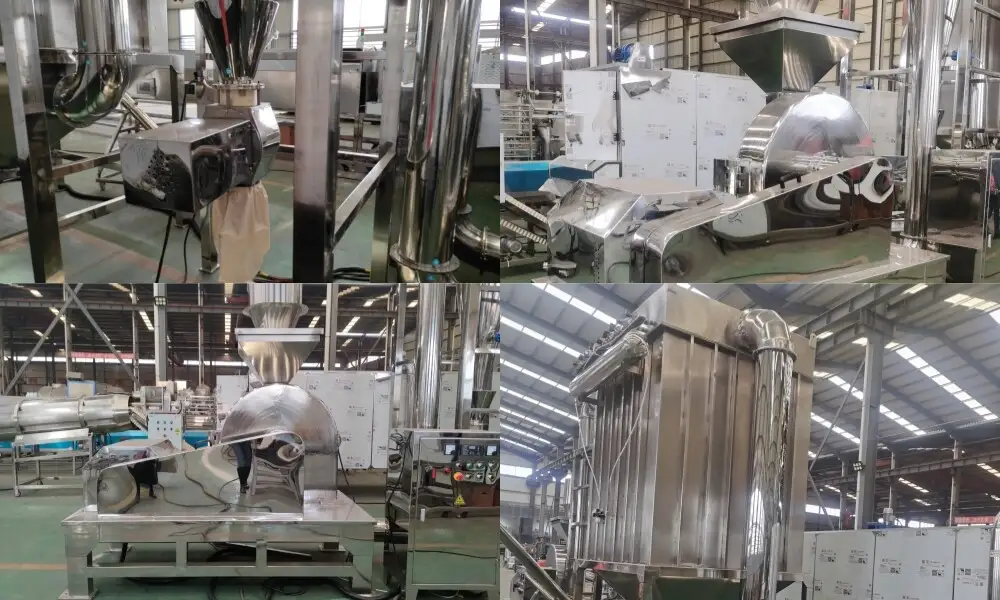
All core equipment is manufactured in our modern, well-equipped facilities under strict quality assurance protocols. We adhere to internationally recognized standards including ISO and CE, and every component undergoes rigorous inspection throughout the production process – from raw material receiving to final assembly. Before shipment, we conduct comprehensive factory acceptance testing (FAT) where you are invited to witness the line operating under simulated production conditions. This ensures that the equipment meets all agreed performance specifications before it leaves our workshop, minimizing surprises during on-site installation.
For logistics and shipping, our dedicated export team handles every aspect of transportation with care and professionalism. We provide expert packing designed to withstand the rigors of sea or air freight, complete with corrosion protection and secure bracing. We also assist with customs clearance documentation, insurance coverage, and coordination with your local freight forwarder to ensure smooth delivery to your factory gate. Throughout the shipping process, we keep you informed with real-time tracking updates so you always know the status of your equipment.
Our commitment truly shines during on-site installation and commissioning, where our experienced field engineers supervise every stage of the setup process. They work alongside your local team to ensure correct mechanical assembly, electrical connection, piping installation, and control system integration. Once physical installation is complete, our engineers conduct thorough commissioning – including empty-load testing, load-testing with your actual raw materials, and fine-tuning of all process parameters to achieve the target product quality. We do not leave your site until the line is producing consistently within specification and your team is confident in its operation.
To empower your workforce, we offer comprehensive operator training programs that combine theoretical knowledge with extensive hands-on practice. Our trainers cover process chemistry fundamentals, equipment operation procedures, routine maintenance schedules, troubleshooting techniques for common issues, and critical safety protocols. Training is conducted both at our factory during FAT and on your site during commissioning, ensuring your operators have ample opportunity to gain practical experience under the guidance of our experts. We also provide detailed operation and maintenance manuals in your preferred language for ongoing reference.
Even after handover, our support continues through our ongoing technical assistance program. We offer a standard 12-month warranty on all equipment, backed by lifetime technical support. Our responsive after-sales team is available via phone, email, or video call to diagnose issues and provide solutions quickly. For urgent breakdowns, we can dispatch engineers to your site within 24-48 hours depending on location, minimizing costly downtime. We also offer remote diagnostic services through secure internet connections, allowing our specialists to review system data and advise on corrective actions without the delay of physical travel.
Finally, we provide a reliable spare parts supply service to keep your production running smoothly. We maintain a dedicated inventory of common consumables and wear parts – including screen meshes, hammer mill components, seals, gaskets, sensors, and control system modules – and we offer long-term supply agreements that guarantee priority access to genuine parts at stable prices. Our goal is to ensure that you never face an unplanned shutdown due to parts unavailability. With our global shipping network, we can deliver urgently needed components to most locations within days, not weeks.
From initial consultation to lifetime support, our services are designed to give you complete peace of mind. We are not just equipment suppliers – we are your trusted partners in building and maintaining a successful modified starch production business.
18.Why Choose Us
After reading through this comprehensive guide, you now have a thorough understanding of what it takes to select, purchase, and operate a successful modified starch production line. The final question that naturally follows is: why should you choose us as your equipment supplier and long-term partner? We believe the answer lies in our unwavering commitment to quality, our deep technical expertise, our proven global track record, and our customer-first philosophy that guides everything we do.
Decades of Specialized Experience
We are not a generalist machinery supplier that dabbles in starch processing as one of many product lines. Our engineers have worked on hundreds of projects across diverse markets, and this accumulated knowledge is embedded in every line we build. When you work with us, you benefit from decades of lessons learned, best practices refined, and continuous innovation driven by real-world feedback.
Proven Global Track Record
Our equipment is not untested or experimental – it is proven in the field, operating successfully in [number] countries across Southeast Asia, South America, the Middle East, Africa, Europe, and beyond. We have supplied modified starch production lines to some of the most demanding markets, where reliability, product quality, and after-sales support are non-negotiable. Our reference projects include both small-scale pilot plants for specialty products and large industrial facilities producing thousands of tons per year. We are proud that many of our customers return to us for repeat orders and line expansions – a testament to the trust we have earned through consistent performance and dependable service. We are happy to provide references and arrange customer visits to existing installations, so you can see our equipment in action and hear directly from operators about their experience.
Strong In-House R&D Capability
The modified starch industry is constantly evolving, with new applications, stricter quality requirements, and more efficient process technologies emerging every year. To stay ahead, we maintain a dedicated in-house research and development team that continuously works on improving reaction efficiency, drying uniformity, automation algorithms, and overall line performance. Our R&D facility is equipped with pilot-scale testing lines where we can simulate your specific process conditions, test new recipes, and validate equipment modifications before they are deployed in full-scale production. This commitment to innovation means that when you choose us, you are not buying yesterday's technology – you are investing in a line that incorporates the latest advancements and can adapt to future market demands.
Quality-Driven Manufacturing with World-Renowned Components
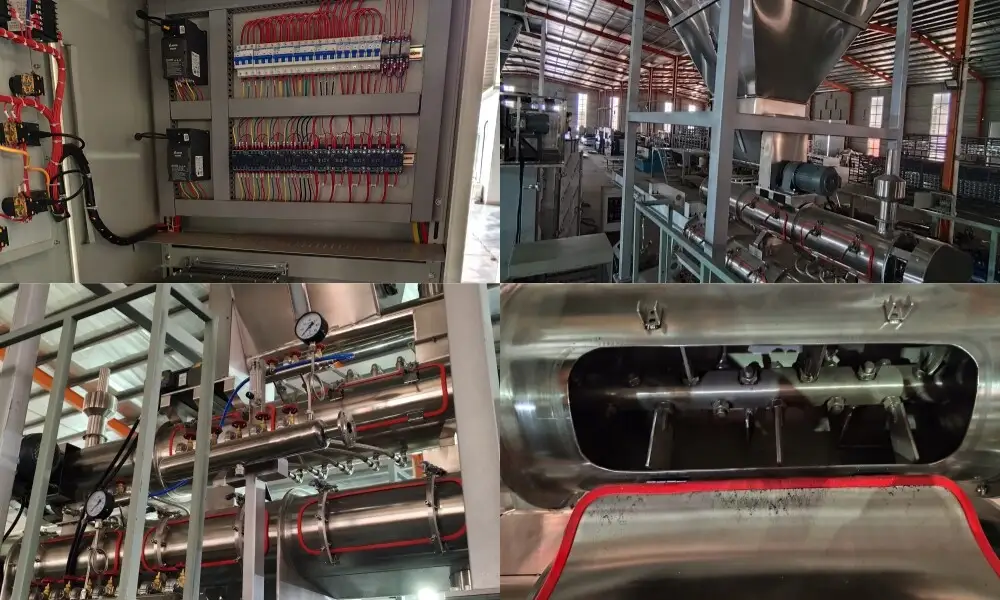
We believe that the quality of a production line is determined by the quality of its components. That is why we source critical electrical and mechanical parts from globally recognised brands – Siemens or Schneider for PLC and electrical systems, SEW or ABB for drives and motors, Endress+Hauser or Rosemount for instrumentation, and SKF or FAG for bearings. These components are not just more reliable – they are also easier to support globally, with readily available spare parts and technical documentation. Our manufacturing facilities operate under strict quality management systems, with every weld inspected, every alignment checked, and every control loop tested before the equipment leaves our workshop. We take pride in the craftsmanship of our work, and we stand behind every machine we build.
Transparent Collaboration from Start to Finish
We believe that trust is built through transparency. From the very first consultation, we provide complete documentation – including general arrangement drawings, electrical schematics, piping and instrumentation diagrams, operation manuals, and factory test reports – so you have full visibility into every aspect of your project. We do not hide behind vague specifications or avoid difficult questions. We encourage you to visit our factory, witness the manufacturing process, and participate in factory acceptance testing before shipment. Our project managers provide regular progress updates and maintain open communication channels throughout the entire project lifecycle. When challenges arise – as they sometimes do in any complex project – we address them honestly and work collaboratively to find solutions. This transparent approach has earned us long-term relationships with customers who value integrity as much as technical excellence.
Flexible Payment and Delivery Terms
We understand that every customer has different financial circumstances and project timelines. That is why we offer flexible payment structures tailored to your specific needs – including phased payments linked to project milestones, letters of credit, and other mutually agreeable arrangements. We also work with you to establish realistic delivery schedules that align with your site readiness and production launch plans. Our project management team coordinates closely with our production and logistics departments to ensure that equipment is manufactured, packed, and shipped according to the agreed timeline, with regular updates provided at every stage. We are committed to making the procurement process as smooth and stress-free as possible.
Dedicated After-Sales Network and Local Representation
Your success is our success, and our commitment to you does not end when the equipment is delivered. We have established a robust after-sales support network that includes local representatives or certified partners in key regions around the world. These local teams provide prompt on-site service, routine maintenance support, and rapid response to urgent issues – reducing language barriers, time zone differences, and travel delays. In addition to our field engineers, we maintain a dedicated technical support hotline and remote diagnostic capability that allows our specialists to connect to your control system and assist with troubleshooting in real time. We also conduct regular follow-up visits and satisfaction surveys to ensure that your line continues to perform optimally and to identify opportunities for further improvement.
Commitment to Sustainability and Green Manufacturing
We recognise that environmental responsibility is no longer optional – it is an expectation from regulators, customers, and communities. Our equipment designs prioritise energy efficiency, water conservation, and waste minimisation without compromising product quality or production output. We incorporate heat recovery systems, variable-frequency drives, closed-loop water circulation, and efficient dust collection as standard features in our lines. We also provide guidance on best practices for sustainable operations, helping you reduce your environmental footprint and achieve green manufacturing certifications. Choosing us means choosing a partner that shares your commitment to building a more sustainable future.
19. Frequently Asked Questions (FAQ)
Throughout our years of supplying modified starch production lines to customers around the world, we have encountered many common questions and concerns. We have compiled the most frequently asked questions below, along with clear, practical answers, to help you make a more informed decision. If you have additional questions not covered here, please do not hesitate to contact our engineering team directly.
Q1: What raw materials can this production line handle?
Our modified starch production lines are designed to process a wide variety of starch sources, including corn (maize), cassava (tapioca), potato, wheat, and pea starch. Each raw material has different granule size, amylose/amylopectin ratio, gelatinisation temperature, and chemical reactivity. Our lines are engineered with adjustable process parameters – such as mixer speed, reaction temperature profiles, reagent dosing rates, and drying inlet temperatures – to accommodate these variations with minimal hardware changes. When you place an order, we work with you to fine‑tune the line configuration and provide recommended process recipes for your specific starch type.
Q2: What types of modified starch can be produced on this line?
The production line can be configured to produce a broad range of modified starch types, depending on the process route you select. These include acid‑thinned (hydrolysed) starches, oxidised starches, cross‑linked starches, esterified starches (such as acetylated and octenyl succinate), etherified starches (such as hydroxypropylated and carboxymethylated), and pregelatinised (physically modified) starches. If you choose a multi‑purpose flexible line, you can switch between several of these modification methods with relatively minor adjustments to reagent dosing, reaction conditions, and downstream washing or drying parameters. We can also design custom configurations for specialised or dual‑modification processes.
Q3: What is the minimum production capacity available?
Our standard product range starts from pilot‑scale lines with capacities of approximately 500 kg/h, which are ideal for small‑scale commercial production, product development, or market entry. From there, we offer standard models at 1 t/h, 2 t/h, and 5 t/h, with custom capacities available for larger industrial operations. We understand that every customer has different volume requirements, and we work closely with you to recommend the capacity that best matches your raw material supply, sales projections, and investment budget. We also offer modular designs that allow you to start small and expand later.
Q4: Do you provide the chemical formulas and process recipes?
Yes, we provide comprehensive process recipes and operating parameters as part of our training and documentation package. These recipes cover reagent types and dosages, temperature and pH setpoints, reaction times, washing protocols, drying conditions, and quality control checkpoints for each modification method you plan to run. However, please understand that exact formulations are influenced by the specific characteristics of your raw starch – such as moisture content, ash content, and pasting properties. During the commissioning phase, our engineers work with your actual raw materials to fine‑tune the recipes and optimise product quality. We also offer ongoing recipe development support for new products.
Q5: How long does installation and commissioning typically take?
The timeline varies depending on the complexity and scale of the line, as well as site conditions such as civil works readiness and local labour availability. Generally, mechanical installation takes approximately 2‑4 weeks for a standard line, followed by 1‑2 weeks of electrical wiring and control system integration. Commissioning – including empty‑load testing, load‑testing with your raw materials, and performance verification – typically requires an additional 1‑2 weeks. In total, you should plan for approximately 4‑8 weeks from equipment arrival at your site to full production readiness. Our project managers provide a detailed schedule during the planning phase and keep you informed of progress at every stage.
Q6: What are the utility requirements (steam, water, electricity) per ton of output?
Utility consumption depends on the specific line configuration, capacity, and modification method. As a general guideline, a typical 1 t/h chemical modification line requires approximately 500‑700 kg of steam per hour, 3‑5 m³ of water per hour, and 60‑90 kW of installed electrical power. However, these figures vary significantly based on drying system efficiency, heat recovery features, and washing water recycling. We provide detailed utility consumption data for your specific configuration during the proposal stage, and we can design the line to incorporate energy‑saving and water‑recycling features to minimise operating costs.
Q7: Can the line be customised for specialised modification processes?
Absolutely. We understand that many customers have unique process requirements – whether for dual modification (combining two chemical treatments), specific heat‑sensitive formulations, or novel enzymatic modification routes. Our engineering team works closely with you to customise the line design, including specialised reactor configurations, additional dosing stations, modified washing sequences, and unique drying or conditioning steps. We have extensive experience in custom engineering and have successfully delivered lines for many specialised applications. Share your specific requirements with us, and we will develop a tailored solution.
Q8: What safety features are included in the production line?
Safety is a top priority in our equipment design. Our production lines are equipped with multiple safety features, including emergency stop buttons at all operator stations, pressure relief valves on reactors and steam systems, temperature and pressure interlocks that automatically shut down equipment if safe limits are exceeded, gas detection sensors for flammable or toxic reagents, and comprehensive guarding on all rotating machinery. We also provide detailed lockout/tagout (LOTO) procedures and conduct thorough safety training for your operators during the commissioning phase. All equipment is designed to meet or exceed relevant international safety standards.
