



The Ultimate Guide to automatic noodle making machine in 2024
Introduction
Noodles are a staple in many cultures, enjoyed for their versatility and unique texture. The automatic noodle making machine has revolutionized the production of this popular food item, making it more efficient and accessible than ever before. In 2024, these machines are at the forefront of the food industry, ensuring that the demand for noodles can be met with high-quality, consistently produced goods.
The automatic noodle making machine is designed to automate the entire noodle production process, from dough mixing to cutting and drying. This level automation not only increases the speed and volume of production but also ensures uniformity in the final product. As the food industry continues to evolve, the role of these machines becomes increasingly critical in meeting the needs of a global market.
Stay tuned as we explore the various aspects of the automatic noodle making machine in 2024, from its key features to the latest technological advancements and their impact on the future of noodle production.
Key Features of Modern Automatic Noodle Making Machines
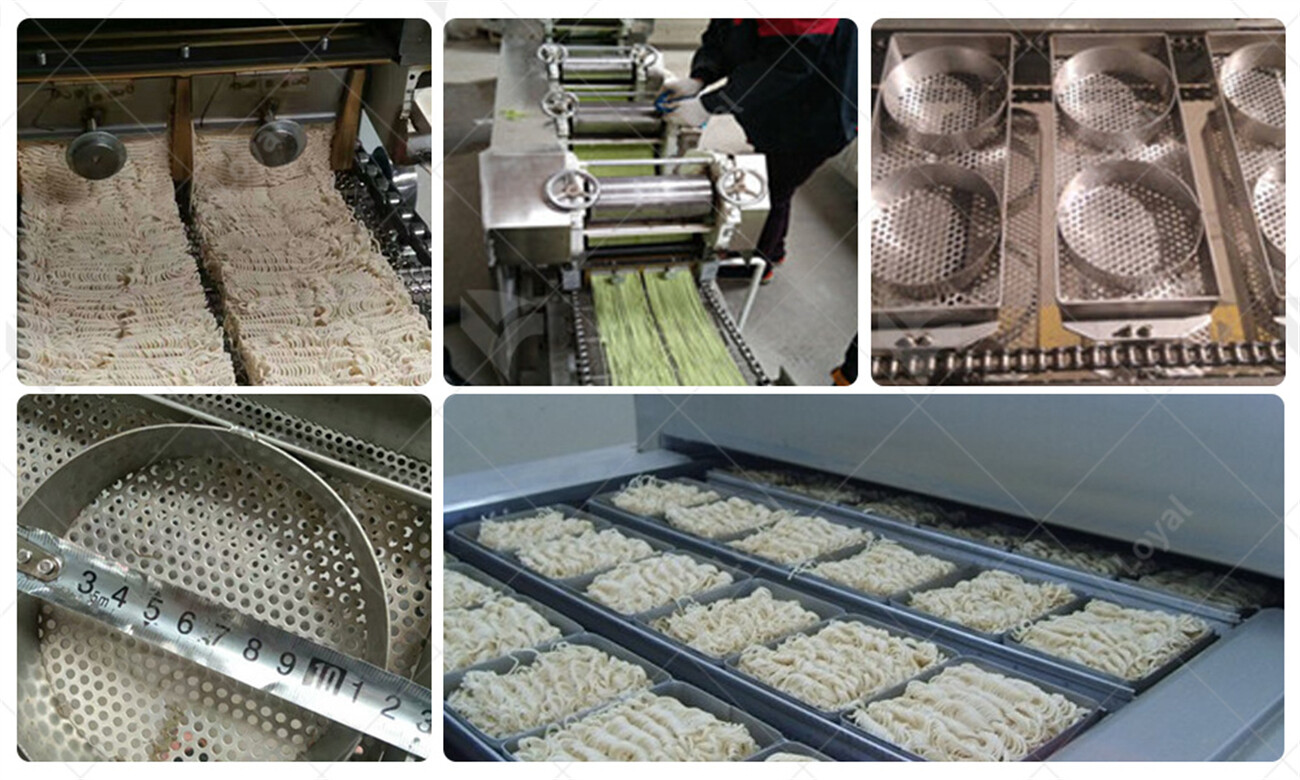
Modern automatic noodle making machines are engineered with a suite of features that cater to the demands of high-volume, efficient, and quality-oriented noodle production. Here's what defines the current generation of these industrial workhorses:
1. Dough Mixing Systems: Equipped with high-shear mixers, these machines ensure a thorough and even distribution of ingredients, resulting in a consistent dough texture essential for uniform noodle quality.
2. Dough Sheeting and Rolling: The process involves passing the dough through a series of rollers to achieve the desired thickness. Precision engineering ensures that each noodle will have an even thickness, contributing to consistent cooking times.
3. Cutting Mechanisms: Advanced cutting systems allow for the production of various noodle shapes and sizes. High-speed cutting technology keeps pace with the demands of large-scale production.
4. Automatic Conveyor Systems: Conveyors transport the noodles through the machine, from cutting to drying, ensuring a continuous and efficient production line.
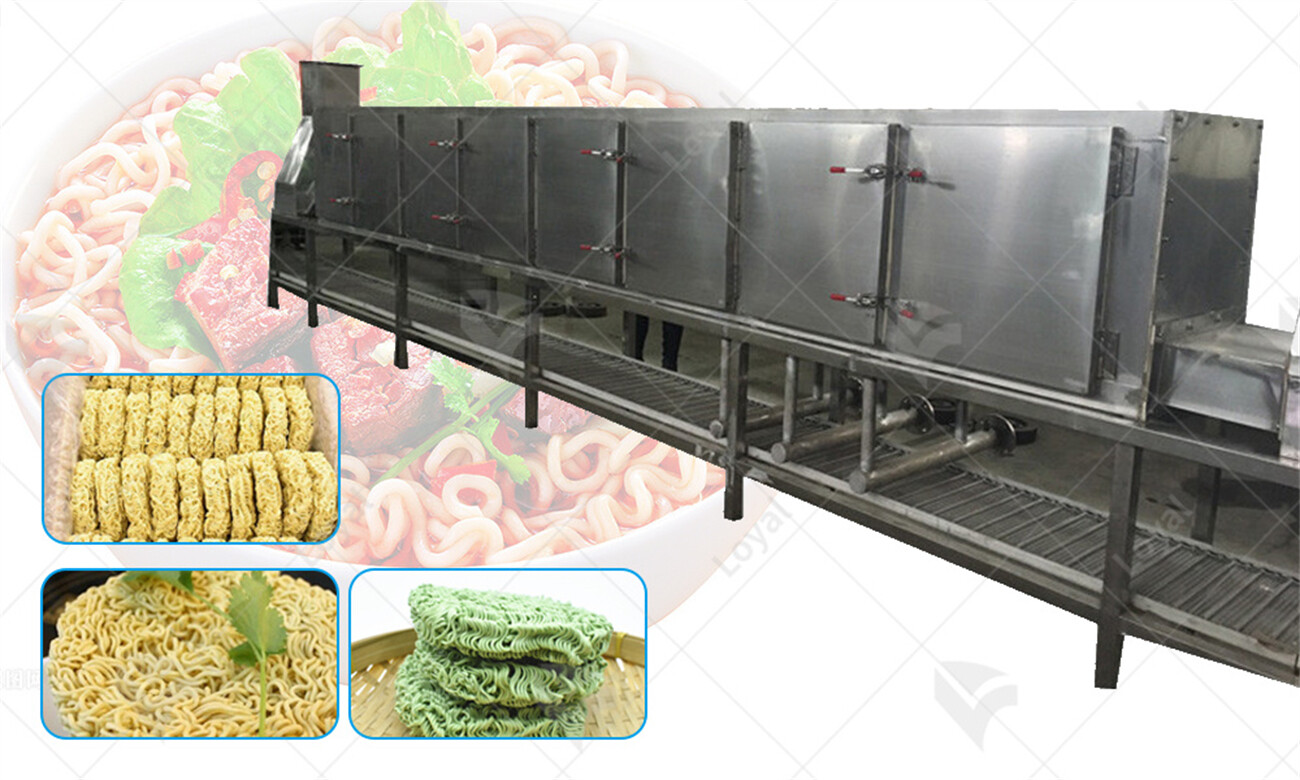
5. Temperature and Humidity Control: To achieve the perfect texture, modern machines regulate the environment through controlled temperature and humidity, which is critical during the dough resting and noodle drying phases.
6. Energy-Efficient Design: With an emphasis on sustainability, these machines are designed to use energy efficiently, minimizing the environmental impact of noodle production.
7. Cleaning and Sanitation Systems: Easy-to-disassemble components and automated cleaning features help maintain hygiene and reduce downtime for sanitation.
8. Digital Control Panels: User-friendly interfaces allow operators to program and monitor the noodle making process, making adjustments as needed for different noodle types.
9. Modular Construction: Many machines are built in a modular fashion, allowing for the addition or removal of components to suit the production of various noodle styles.
10. Scalability Options: The ability to scale up or down based on demand is a key feature, with some machines offering adjustable production capacities to cater to both small-scale and mass production needs.
These key features reflect the current state of innovation in automatic noodle making machines, showcasing their ability to produce large quantities of noodles to exacting quality standards with minimal manual intervention. As technology continues to advance, these machines are expected to become even more sophisticated, further streamlining the noodle production process.
Technological Advancements in 2024 Models
The automatic noodle making machine has come a long way, and the 2024 models showcase significant technological advancements that are reshaping the industry:
1. Automation: Full automation reduces the need for manual labor, from the preparation of dough to the cutting and drying of noodles.
2. Precision Engineering: Advanced engineering allows for precise noodle dimensions, ensuring uniformity and consistency in texture and cooking time.
3. Energy Efficiency: Newer models are designed to be more energy-efficient, reducing operational costs and environmental impact.
4. Intelligent Systems: Incorporating IoT technology, these machines can monitor performance, predict maintenance needs, and even order supplies when stocks are low.
5. Customization: Modern machines offer a higher degree of customization, allowing for a variety of noodle shapes, sizes, and textures to cater to diverse culinary preferences.
6. Sanitary Operation: Easy-clean materials and automated sanitation processes prioritize food safety and hygiene.
7. Sustainability: With an eye on sustainability, the latest machines minimize waste and are built with recyclable parts.
8. User Interface: Touchscreen controls and digital interfaces make operation more intuitive and precise.
These advancements not only improve the efficiency and quality of noodle production but also position the automatic noodle making machine as a sustainable and smart choice for the food industry.
The Impact on Noodle Production and Quality
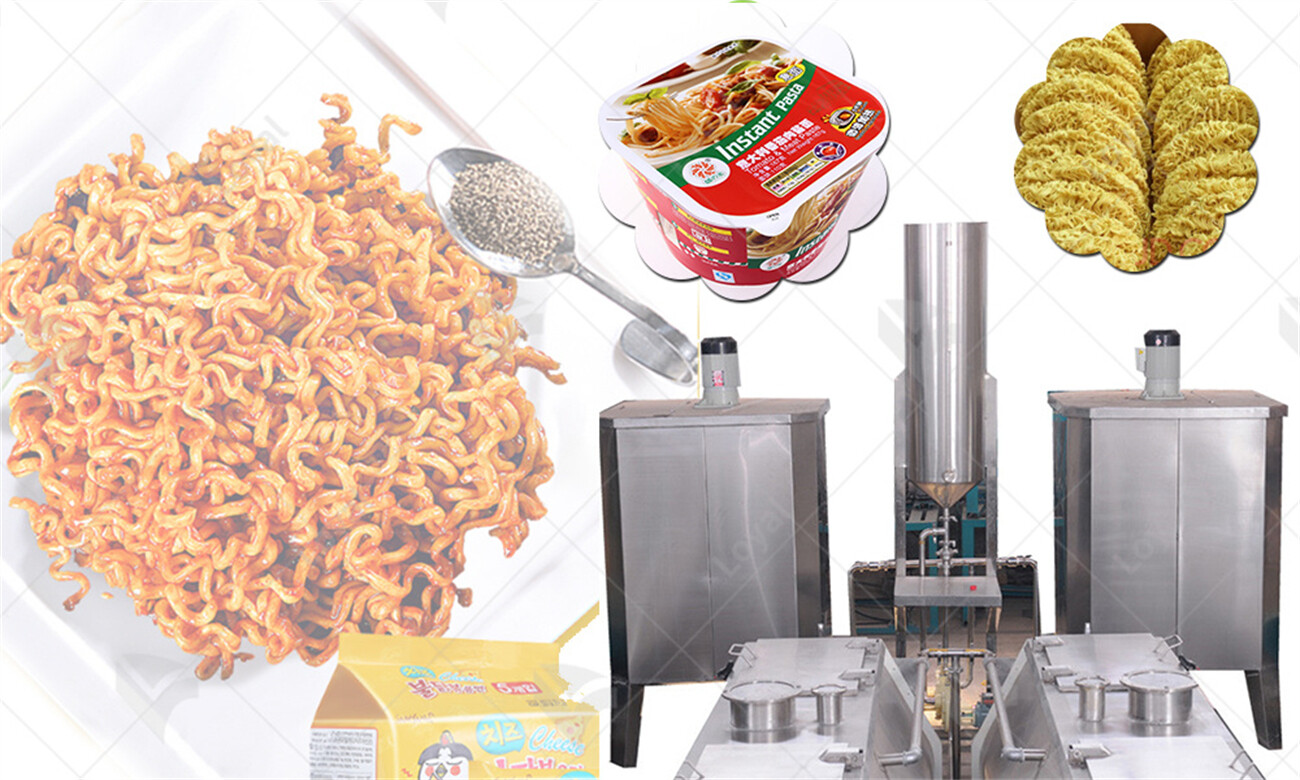
The integration of automatic noodle making machines has had a transformative impact on the production process and the quality of noodles:
1. Increased Efficiency: These machines significantly boost production efficiency, enabling the manufacturing of noodles at a much larger scale and speed.
2. Consistent Quality: By automating the process, automatic noodle making machines ensure that each batch of noodles is made to the same high standards, resulting in uniform texture and taste.
3. Versatility: Modern machines can produce a wide range of noodle types, from thin vermicelli to thick udon, accommodating diverse culinary needs.
4. Reduced Labor Dependency: With less reliance on manual labor, production is less susceptible to human error and staffing inconsistencies.
5. Enhanced Food Safety: Automated systems minimize the risk of contamination, as there is less direct human contact with the food product during production.
6. Cost-Effective: Although the initial investment may be higher, the long-term cost savings in labor and increased output make these machines a cost-effective choice.
7. Scalability: The production can be easily scaled up or down based on demand, providing flexibility for manufacturers.
The use of automatic noodle making machines has revolutionized the noodle industry, making it more efficient, reliable, and capable of meeting the growing global demand for high-quality noodles.
Sustainability and the Role of Automatic Noodle Making Machines
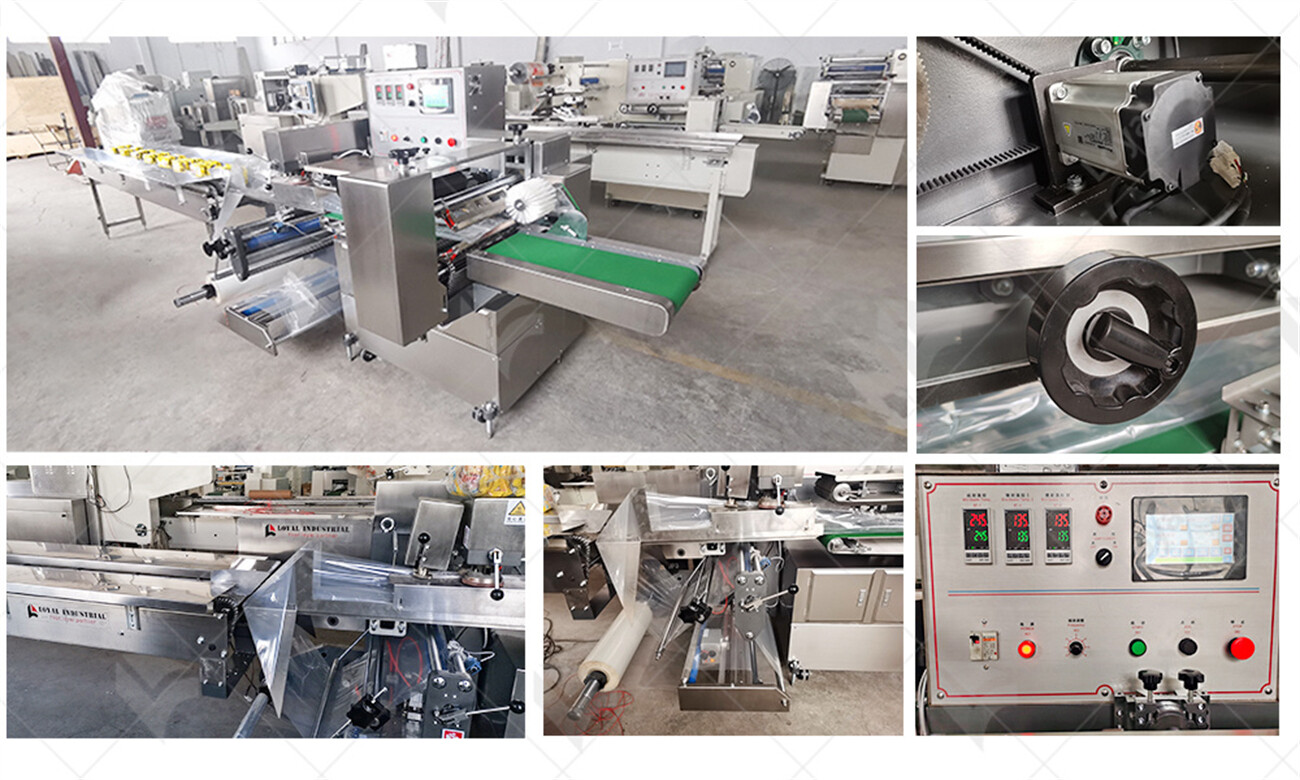
Sustainability is a key focus for the food industry, and automatic noodle making machines play a pivotal role in achieving eco-friendly noodle production:
1. Energy Efficiency: Modern machines are designed to use less energy, reducing the carbon footprint of noodle manufacturing.
2. Waste Reduction: Precision cutting and reduced human error in the process minimize waste, ensuring that more of the dough is turned into finished noodles.
3. Water Conservation: Many machines are built to use less water for cleaning and dough preparation, further conserving this vital resource.
4. Durable Construction: Built to last, these machines are made with durable materials that can withstand long-term use, reducing the need for frequent replacements.
5. Recyclable Materials: Where possible, components and packaging materials used in conjunction with these machines are recyclable or biodegradable.
6. Local Production: By enabling efficient noodle production closer to markets, these machines can help reduce the distance that noodles need to travel, lowering the overall environmental impact.
7. Chemical Reduction: The controlled environment of these machines often reduces the need for chemical additives, leading to a more natural product.
As sustainability becomes more important to consumers and manufacturers alike, the role of automatic noodle making machines in promoting green practices is set to grow, ensuring that the world's favorite noodles can be produced with minimal environmental impact.
Maintenance and Operational Best Practices
To ensure the longevity and peak performance of automatic noodle making machines, adherence to best practices in maintenance and operation is essential:
1. Routine Inspections: Regularly check the machine for signs of wear and tear, ensuring that all parts are functioning correctly.
2. Cleaning Schedules: Implement a consistent cleaning schedule to maintain hygiene and prevent the buildup of dough residue, which can affect noodle quality.
3. Lubrication: Keep all moving parts well lubricated to reduce friction and prevent damage over time.
4. Operator Training: Train operators to understand the machine's functions, how to perform routine maintenance, and how to respond to common issues.
5. Preventive Maintenance: Follow the manufacturer's preventive maintenance guidelines to catch potential problems before they cause significant downtime.
6. Spare Parts Inventory: Keep a stock of common replacement parts on hand to facilitate quick repairs and minimize operational disruption.
7. Software Updates: Regularly update the machine's software to incorporate the latest improvements and efficiency enhancements.
8. Energy Management: Monitor the machine's energy consumption and make adjustments as needed to optimize efficiency.
By following these best practices, operators can maximize the efficiency and lifespan of their automatic noodle making machines, ensuring a continuous supply of high-quality noodles with minimal downtime or maintenance-related issues.

Regulatory Compliance in Noodle Production
Compliance with regulatory standards is a critical aspect of operating automatic noodle making machines, ensuring the safety and quality of the final product:
1. Food Safety Standards: Machines must be designed and operated to comply with food safety regulations, which cover hygiene, ingredient sourcing, and product handling.
2. Equipment Certification: Obtain necessary certifications for the noodle making equipment, verifying that it meets industry standards for safety and performance.
3. Staff Training: Ensure that all staff are trained in food safety and understand the importance of adhering to regulatory requirements.
4. Labeling and Packaging: Accurately label all products with information on ingredients, nutritional content, and allergens to comply with consumer protection laws.
5. Machine Safety: Adhere to safety regulations by ensuring that all machines have safety features such as emergency stop buttons and are regularly inspected for safe operation.
6. Environmental Regulations: Follow environmental guidelines, which may include energy efficiency standards and waste disposal requirements.
7. Traceability: Maintain records and documentation to ensure the traceability of ingredients and products, a key requirement for modern food production.
8. Regular Audits: Prepare for and undergo regular audits to verify ongoing compliance with all relevant regulations.
By upholding these standards, operators of automatic noodle making machines contribute to the integrity of the food industry, providing consumers with safe, high-quality noodles while meeting the legal and ethical obligations of food production.

Future Trends and Innovations
The future of automatic noodle making machines is ripe with potential for further innovation and trend adaptation:
1. Advanced Automation: Expect more automation, possibly incorporating robotics for tasks like noodle cutting and packaging, leading to higher efficiency and reduced human intervention.
2. Sustainability Focus: Future machines will likely prioritize even greater energy and water efficiency, along with the use of sustainable materials in both the machines and the noodle packaging.
3. Health-Conscious Options: With a growing trend towards health and wellness, machines may be adapted to produce a wider range of healthier noodle options, such as those made with whole grains or gluten-free alternatives.
4. Customization Technologies: Innovations may allow for greater on-demand customization, enabling the production of niche noodle types to cater to specific dietary preferences or cultural cuisines.
5. Smart Machine Integration: The Internet of Things (IoT) will likely play a larger role, with machines providing real-time data analysis on performance, predictive maintenance, and inventory management.
6. Enhanced Food Safety Features: Future models may include advanced sensors and monitoring systems to ensure food safety, going beyond current standards.
7. Global Compliance: As the market for noodle products expands globally, machines will be designed to meet a broader range of international regulatory requirements.
8. Waste Reduction Technologies: Innovations aimed at reducing waste during the noodle production process will become more prevalent, contributing to a circular economy.
The automatic noodle making machine is set to evolve in lockstep with changing consumer demands, technological advancements, and global regulatory landscapes, ensuring that the production of noodles remains efficient, sustainable, and enjoyable for years to come.
Conclusion
In conclusion, the automatic noodle making machine stands as a testament to the innovation and progress within the food production industry. These machines are not just tools for noodle production; they are the driving force behind the consistent quality, mass production, and creative variety that consumers have come to expect from their favorite noodles. As technology continues to evolve, the capabilities of these machines will only expand, offering manufacturers greater control, efficiency, and the ability to meet the dynamic demands of the market.
The future of the noodle industry, backed by the advancement of automatic noodle making machines, is bright and promising. With a focus on sustainability, customization, and smart technology integration, these machines are set to play a pivotal role in shaping the future of noodle production. As we embrace these changes, the joy of noodles can be experienced by consumers worldwide, made possible by the relentless pursuit of innovation in the realm of industrial food machinery.
Reference
1. Food Processing:
Website: [Food Processing](https://www.foodprocessing.com/)
2. Food Engineering:
Website: [Food Engineering](https://www.foodengineeringmag.com/)
3. Process Industry Forum:
Website: [Process Industry Forum](https://www.processindustryforum.com/)
4. Food Manufacture:
Website: [Food Manufacture](https://www.foodmanufacture.co.uk/)