



Understanding The Baby Rice Powder Food Machine:The Ultimate Guide To Baby Rice Powder Food Machine
Introduction
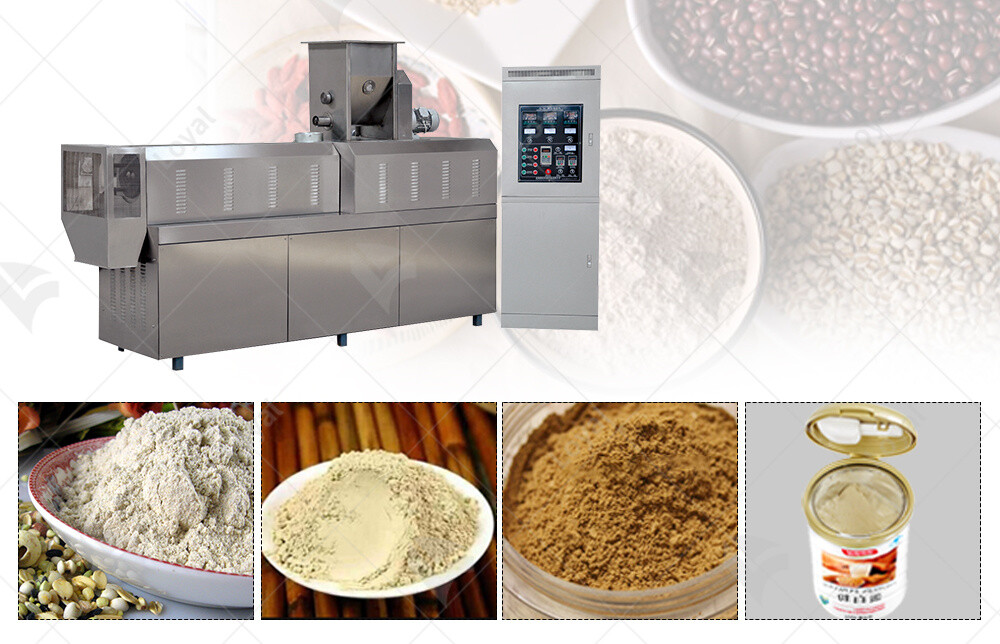
Baby rice powder food machines play a crucial role in the production of high-quality baby food. These machines are designed to ensure the nutritional integrity and safety of baby rice powder, catering to the growing demand for convenient and healthy infant food products. The market for baby rice powder food machines has seen significant growth, driven by the increasing awareness of the importance of proper nutrition in early childhood development.
In this guide, we will delve into the essential features, technical specifications, and benefits of baby rice powder food machines. We will also provide insights on maintenance, safety, and factors to consider when choosing the right machine for your production needs. This comprehensive overview aims to equip you with the knowledge necessary to make informed decisions in selecting and operating a baby rice powder food machine, ensuring both efficiency and quality in your production process.
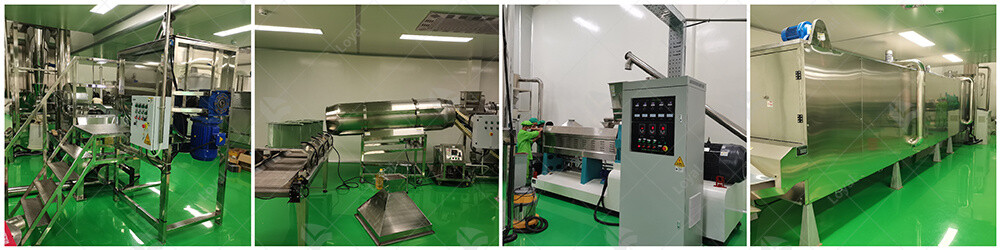
Key Features of Baby Rice Powder Food Machines
Design and Construction
Materials used:
Baby rice powder food machines are constructed using high-quality, food-grade stainless steel. This material ensures the machine is resistant to corrosion, easy to clean, and hygienic, maintaining the purity and safety of the baby food produced. The robust construction also contributes to the machine's longevity, providing reliable service over extended periods.
Durability and safety features:
These machines are designed with durability and safety in mind. Safety features include emergency stop buttons, protective guards, and compliance with international safety standards. The durable build minimizes downtime due to repairs, ensuring continuous operation and consistent production.
Operational Efficiency
Automation and control systems:
Modern baby rice powder food machines are equipped with advanced automation and control systems. These systems allow for precise control of the production process, reducing human error and increasing efficiency. Programmable logic controllers (PLCs) and touch screen interfaces make it easy to monitor and adjust settings, optimizing the production flow.
Production capacity and speed:
The operational efficiency of a baby rice powder food machine is evident in its production capacity and speed. These machines are capable of processing large quantities of rice powder quickly, meeting the demands of high-volume production environments. The enhanced speed and capacity ensure that manufacturers can meet market demands without compromising on quality.
Versatility and Functionality
Types of baby rice powder processed:
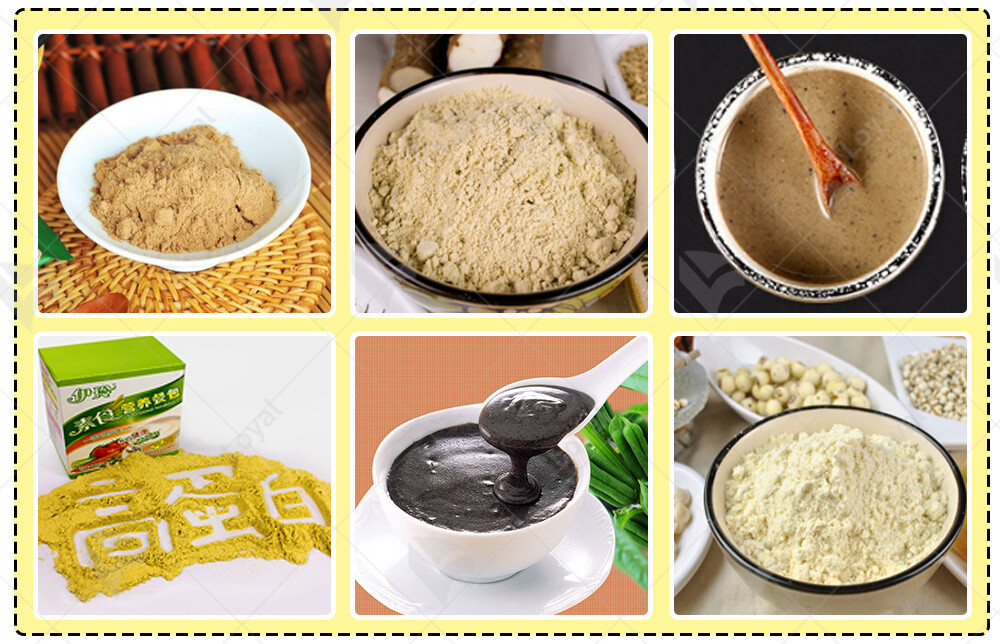
Baby rice powder food machines are versatile, capable of processing various types of rice and other grains into fine powder suitable for baby food. This versatility allows manufacturers to produce a wide range of baby food products, catering to different nutritional needs and preferences.
Multi-functional capabilities:
In addition to processing rice powder, these machines often have multi-functional capabilities, such as mixing, blending, and packaging. This integration of multiple functions in one machine streamlines the production process, reducing the need for additional equipment and saving space in the production facility.
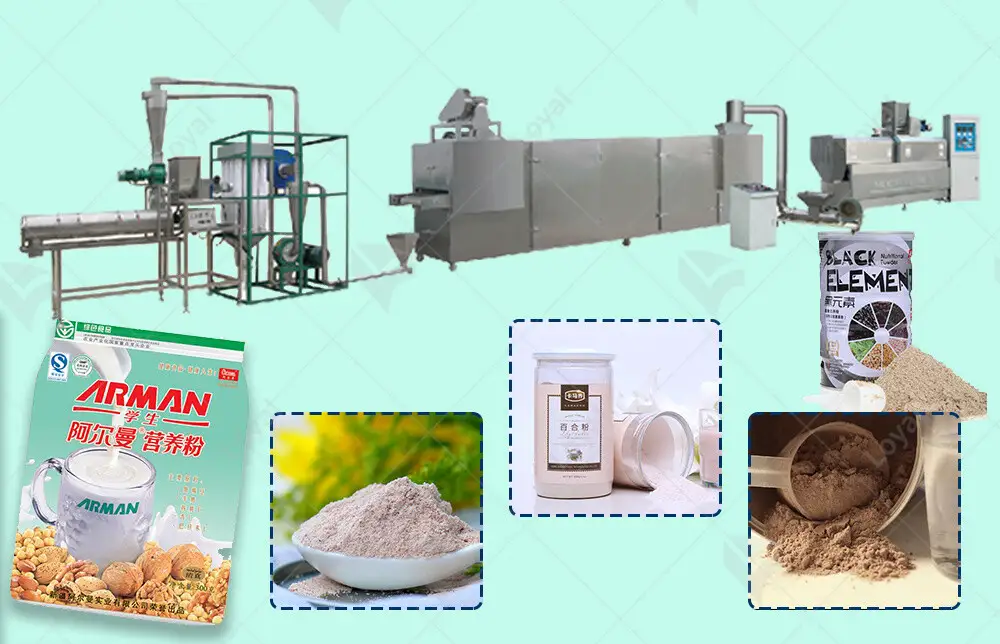
Benefits of Using Baby Rice Powder Food Machines
| Benefit | Description |
| Nutritional Preservation | Ensures retention of essential nutrients in baby rice powder |
| Consistency in Quality and Texture | Maintains uniform texture and quality throughout production |
| Cost Efficiency | Reduces production costs through efficient processing |
| Versatility | Processes various types of rice into powder suitable for baby food |
| Compliance with Safety Standards | Meets international safety regulations for food processing equipment |
| Energy Efficiency | Optimizes energy usage during operation |
| Ease of Maintenance | Simple cleaning and maintenance procedures to ensure equipment longevity |
| Increased Production Capacity | Higher output rates suitable for large-scale production |
| Customization Options | Allows adjustments in processing parameters for different rice types |
| User-Friendly Interface | Intuitive controls and user interface for ease of operation |
This table outlines the key benefits of using baby rice powder food machines, emphasizing their role in ensuring nutritional integrity, cost-effectiveness, safety compliance, and operational efficiency in baby food production.
Routine Maintenance Procedures for Baby Rice Powder Food Machines
Routine maintenance is crucial for ensuring optimal performance and longevity of baby rice powder food machines. Here’s a comprehensive guide to the essential maintenance procedures:
1. Cleaning and Sanitation
Proper cleaning is essential to prevent contamination and ensure food safety. After each production cycle, dismantle the machine as per manufacturer guidelines. Clean all parts thoroughly using food-safe cleaning agents and sanitizers to remove residues and bacteria. Pay special attention to areas prone to buildup, such as mixing chambers and extruders.
2. Inspections and Lubrication
Regular inspections help identify wear and tear before they escalate into major issues. Inspect moving parts, seals, and belts for signs of wear, corrosion, or damage. Replace worn-out parts promptly to prevent breakdowns during operation. Lubricate components as recommended by the manufacturer to maintain smooth operation and reduce friction.
3. Calibration and Adjustment
Ensure the machine operates within specified parameters by calibrating sensors, controls, and measuring devices regularly. Use calibrated instruments to verify accuracy in ingredient measurements, processing temperatures, and output consistency. Adjust settings as necessary to maintain product quality and efficiency.
4. Electrical and Safety Checks
Safety should always be a priority when maintaining food processing equipment. Conduct regular electrical checks to ensure wiring, switches, and circuit breakers are in good condition. Test safety features such as emergency stop buttons and safety guards to ensure they function correctly and comply with industry standards.
5. Documentation and Record-Keeping
Maintain detailed records of maintenance activities, including cleaning schedules, inspection results, and parts replacements. Document any deviations from normal operation or issues encountered during maintenance. These records not only track machine performance but also aid in troubleshooting and compliance with regulatory requirements.
Implementing a proactive maintenance schedule for baby rice powder food machines not only extends their lifespan but also enhances operational efficiency and product quality. By adhering to these routine maintenance procedures, manufacturers can ensure consistent production output while prioritizing food safety and compliance with industry standards.

Safety Standards and Regulations
Ensuring the safety of baby rice powder food machines is paramount in their design, manufacture, and operation. These machines are specialized equipment used in the production of infant food products, requiring adherence to stringent safety standards and regulations to guarantee product integrity and consumer safety.
Compliance with International Standards
Baby rice powder food machines must comply with a variety of international standards to ensure their safety and reliability. Standards such as ISO 22000 for food safety management systems and ISO 9001 for quality management are crucial in the design phase. These standards ensure that the machines are built using materials that meet food-grade requirements, minimizing the risk of contamination and ensuring the hygiene of the final product.
Safety Features and Protocols
Manufacturers integrate several safety features into baby rice powder food machines to mitigate risks during operation. Key safety features include:
- Guarding and Enclosures: Machines are equipped with robust guarding and enclosures to prevent access to moving parts, reducing the risk of accidents during operation.
- Emergency Stop Systems: Emergency stop buttons are strategically placed on the machine to immediately halt operations in case of emergencies, ensuring quick response times to potential hazards.
- Sanitary Design: Machines are designed with easy-clean surfaces and minimal crevices to facilitate thorough cleaning and sanitation, crucial for maintaining food safety standards.
- Temperature and Pressure Controls: Automated temperature and pressure control systems ensure that the processing conditions remain within safe parameters, preventing overheating or excessive pressure buildup that could compromise product quality or safety.
Regulatory Compliance
In addition to international standards, regulatory bodies in various countries impose specific regulations on the design, production, and operation of food processing equipment. These regulations aim to safeguard public health and ensure the safety of food products, including baby rice powder. Manufacturers must adhere to these regulations and obtain certifications and approvals from relevant authorities before placing their machines on the market.
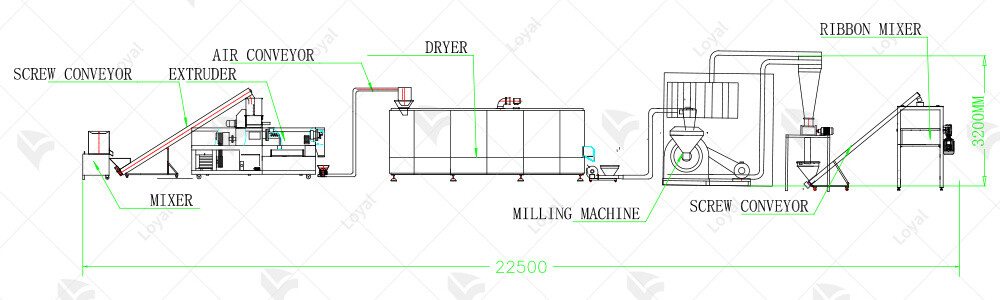
Choosing the Right Baby Rice Powder Food Machine
When selecting a baby rice powder food machine, several crucial factors should guide your decision. This table outlines key considerations for making an informed choice:
| Factor | Description |
| Production Capacity | Assess the machine's output capability in kilograms per hour (kg/h). |
| Automation Features | Evaluate the level of automation, including control systems and settings. |
| Versatility | Consider if the machine can process various types of rice powder efficiently. |
| Safety Standards | Ensure compliance with international safety regulations and certifications. |
| Energy Efficiency | Check the energy consumption and efficiency ratings. |
| Maintenance Requirements | Review the maintenance procedures and frequency recommended by the manufacturer. |
| Brand Reputation | Choose a reputable manufacturer known for quality and reliability. |
| Cost Effectiveness | Compare initial investment costs with long-term operational savings. |
Choosing the right baby rice powder food machine involves balancing these factors to meet your production needs effectively and efficiently. Each criterion plays a vital role in ensuring the machine meets safety standards, operational efficiency, and economic feasibility.
Conclusion
In concluding our comprehensive exploration of the baby rice powder food machine, it becomes evident that this specialized equipment plays a pivotal role in the efficient production of nutritious baby food. Designed with precision and reliability in mind, these machines embody the latest advancements in industrial food machinery technology.
Throughout this guide, we have delved into the key features that define these machines. From their robust design using high-quality materials to their advanced automation capabilities, these machines ensure not only operational efficiency but also maintain stringent safety standards essential for handling food products intended for infants.
One of the standout advantages of employing a baby rice powder food machine lies in its ability to preserve the essential nutrients present in rice, ensuring that each batch of baby food maintains optimal nutritional value. This capability underscores the importance of these machines in meeting the stringent quality requirements demanded by both regulatory bodies and discerning consumers alike.
Moreover, the economic benefits of investing in such machinery cannot be overstated. By streamlining production processes and minimizing wastage, manufacturers can achieve significant cost savings over time. This, coupled with the machines' ability to handle varying production scales, makes them a versatile choice for both small-scale operations and large-scale production facilities.
Choosing the right baby rice powder food machine involves careful consideration of several factors, including production capacity, energy efficiency, and compliance with industry standards. Leading manufacturers offer a range of models tailored to different production needs, ensuring that businesses can find a solution that aligns with their specific requirements and budget constraints.
In conclusion, the baby rice powder food machine represents not just a technological marvel but a critical tool in the realm of infant nutrition. Its integration into modern food processing facilities underscores a commitment to quality, safety, and efficiency in meeting the nutritional needs of the youngest consumers. As advancements continue to shape the landscape of industrial food machinery, these machines stand at the forefront, paving the way for enhanced food safety and nutritional integrity in baby food production.
Reference
The following are five authoritative foreign literature websites in the field of Industrial food machinery:
1. Food Engineering Magazine
Website: https://www.foodengineeringmag.com/
2.Food Processing Magazine
Website: https://www.foodprocessing.com/
3.Journal of Food Engineering
Website:https://www.journals.elsevier.com/journal-of-food-engineering
4. Food Manufacturing Magazine
Website:https://www.foodmanufacturing.com/
5. International Journal of Food Science & Technology
Website:https://onlinelibrary.wiley.com/