



How To Choose The Best Baby Rice Powder Making Machine: 2024 Buyer’s Guide
Introduction
Selecting the ideal baby rice powder making machine is a critical decision for manufacturers aiming to produce high-quality, nutritious baby food. This guide provides an in-depth overview of the essential factors to consider when choosing the best equipment for your production needs. With the market for baby rice powder growing rapidly, investing in the right machine is crucial for ensuring efficiency, safety, and product quality.
Baby rice powder making machines play a pivotal role in the production of infant food. These machines are designed to process rice into a fine powder that is easy for babies to digest, providing essential nutrients needed for their growth and development. The demand for these machines has increased due to the growing awareness of infant nutrition and the rising preference for convenient, high-quality baby food products.
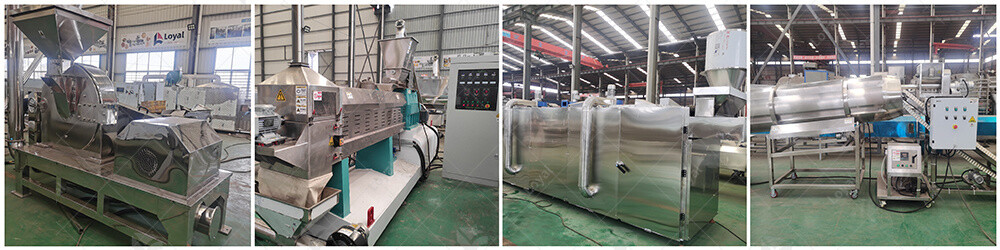
Advantages of Baby Rice Powder Making Machine
| Advantage | Description |
| Consistent Quality | Ensures uniform texture and quality of baby rice powder, meeting strict industry standards. |
| Nutritional Preservation | Advanced technology helps retain essential nutrients, vitamins, and minerals, providing high nutritional value to the end product. |
| High Efficiency | Automated processes enhance production speed and efficiency, reducing manual labor and operational costs. |
| Safety and Compliance | Designed to comply with international food safety regulations, incorporating safety features to prevent contamination and ensure hygienic production. |
| Versatility | Capable of processing different types of rice and other grains, offering flexibility in product formulation. |
| Ease of Operation | User-friendly interfaces and control systems make the machine easy to operate and maintain, even for non-expert operators. |
| Cost-Effectiveness | Long-term savings through reduced waste, energy efficiency, and minimal downtime, ensuring a good return on investment. |
| Scalability | Suitable for both small-scale and large-scale production, with options to scale up production as demand increases. |
| Sustainability | Incorporates eco-friendly practices, such as energy-efficient components and waste reduction techniques, contributing to a lower environmental impact. |
| Technical Support | Manufacturers often provide robust after-sales support, including warranties, maintenance services, and access to technical assistance for troubleshooting and repairs. |

Key Considerations When Choosing a Baby Rice Powder Making Machine
Choosing the right baby rice powder making machine is essential for ensuring high-quality production and meeting market demands. Here are the key considerations to keep in mind:
Production Capacity and Efficiency
The production capacity of a baby rice powder making machine directly impacts your ability to meet consumer demands. Evaluate machines based on their output per hour and ensure that they can handle your required production volume. Efficiency is equally important, as energy-efficient machines reduce operational costs and contribute to sustainability. Look for machines with high energy efficiency ratings to optimize your production process.
Versatility and Adaptability
A versatile baby rice powder making machine can process different types of rice and adjust to various production requirements. This adaptability is crucial for responding to market trends and consumer preferences. Ensure the machine you choose can handle different rice varieties and has adjustable settings for texture and consistency. This flexibility will allow you to produce a range of baby rice powders to meet diverse consumer needs.
Quality and Safety Standards
Compliance with food safety regulations is non-negotiable in the baby food industry. The baby rice powder making machine must adhere to international quality and safety standards. Look for machines with built-in safety features such as automatic shutoff mechanisms, overheat protection, and sanitation-friendly designs. These features not only ensure the safety of the food produced but also protect your production line workers.
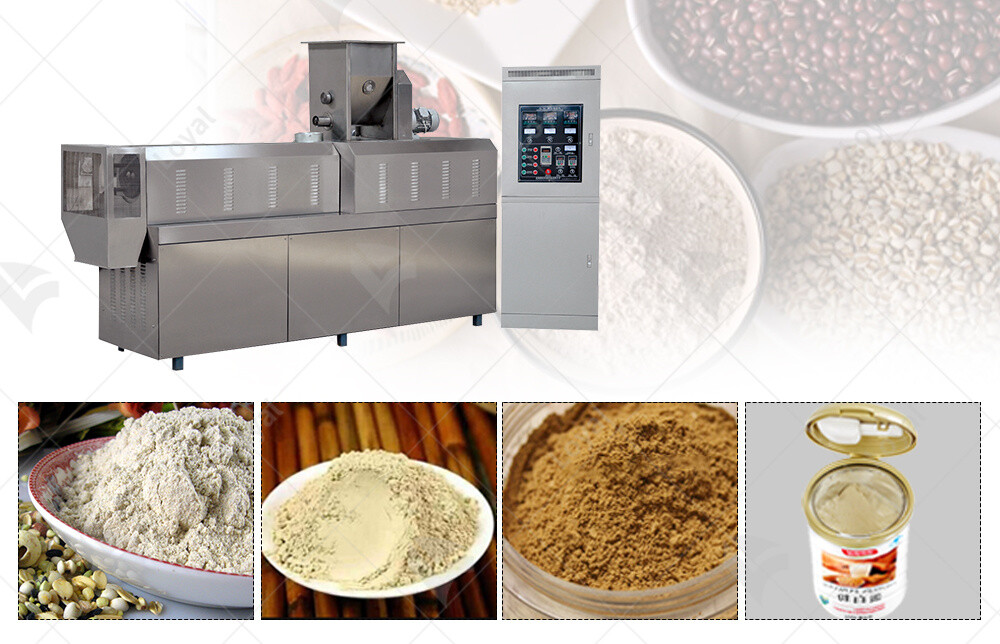
Technological Innovations
Automation and Control Systems
In recent years, technological advancements have revolutionized the baby rice powder making machine industry. One of the most significant innovations is the integration of advanced automation and control systems. These systems enhance operational efficiency by minimizing manual intervention and ensuring consistent production quality.
Modern baby rice powder making machines are equipped with programmable logic controllers (PLCs) that allow operators to monitor and adjust the production process in real-time. These automated systems ensure precise control over critical parameters such as temperature, pressure, and mixing time, resulting in a superior quality product. Additionally, user-friendly interfaces make it easier for operators to manage the machines, reducing the need for extensive training and minimizing the risk of human error.
Nutritional Preservation Techniques
Another crucial technological advancement in baby rice powder making machines is the development of nutritional preservation techniques. Preserving the nutritional value of baby rice powder is paramount, as it directly impacts the health and development of infants.
Manufacturers have implemented various methods to ensure that essential vitamins, minerals, and other nutrients are retained during the production process. These techniques include low-temperature processing, vacuum drying, and enzymatic treatment. By minimizing nutrient loss, these methods ensure that the final product meets stringent nutritional standards and provides the necessary nourishment for infants.
Energy Efficiency and Sustainability
Energy efficiency and sustainability have become key considerations in the design and operation of baby rice powder making machines. Advances in energy-efficient components and sustainable practices help reduce operational costs and minimize the environmental impact of production.
Innovative designs now incorporate energy-saving motors, optimized heating systems, and efficient cooling mechanisms. These improvements not only lower energy consumption but also contribute to a greener production process. Furthermore, sustainable practices such as waste reduction, recycling, and the use of eco-friendly materials are increasingly being integrated into the manufacturing process.
Customization and Flexibility
Technological innovations have also led to increased customization and flexibility in baby rice powder making machines. Manufacturers can now offer modular designs that cater to specific production requirements and allow for easy scalability.
Customization options include adjustable settings for different rice varieties, grinding fineness, and production capacities. This flexibility enables producers to tailor the machines to their unique needs, ensuring optimal performance and maximizing productivity. Additionally, modular components facilitate easy maintenance and upgrades, extending the lifespan of the equipment and enhancing its overall efficiency.
Enhanced Safety Features
Safety is a paramount concern in the food processing industry, and baby rice powder making machines are no exception. Recent technological advancements have led to the development of enhanced safety features that protect both the operators and the end product.
Modern machines are equipped with advanced sensors and fail-safes that detect and mitigate potential hazards. These features include automatic shutdown mechanisms, overload protection, and real-time monitoring of critical parameters. By ensuring safe and reliable operation, these innovations contribute to the overall quality and safety of baby rice powder production.

Cost Analysis and Return on Investment (ROI)
When selecting the best baby rice powder making machine, understanding the cost implications and potential return on investment (ROI) is crucial. This section delves into the financial aspects that manufacturers must consider to make an informed decision.
Initial Cost vs. Long-term Savings
The initial investment in a baby rice powder making machine can be substantial. High-quality machines, often equipped with advanced technology and automation features, tend to have a higher upfront cost. However, this investment is typically offset by long-term savings. Machines with superior build quality and durability require less frequent maintenance and part replacements, reducing ongoing operational costs.
Moreover, energy-efficient models can significantly lower utility bills. While the initial cost may be higher, the energy savings accrued over time contribute to a more favorable total cost of ownership. When evaluating different machines, it is essential to consider not just the purchase price but also the long-term financial benefits.
Operational Cost Considerations
Operational costs encompass various expenses, including energy consumption, maintenance, labor, and raw materials. A baby rice powder making machine designed for efficiency can minimize these costs. For instance, machines that feature automated processes reduce the need for manual labor, thereby lowering payroll expenses.
Energy consumption is another critical factor. Machines with energy-efficient motors and systems reduce electricity usage, leading to lower energy bills. Additionally, automated maintenance alerts and easy-to-clean designs help maintain optimal performance with minimal downtime, further reducing operational expenses.
Warranty and After-Sales Support
The warranty and after-sales support provided by the manufacturer are vital components of the cost analysis. A comprehensive warranty can save significant amounts on repairs and replacements. It is advisable to choose a machine with a robust warranty that covers essential components for an extended period.
After-sales support, including technical assistance and availability of spare parts, ensures that any issues can be promptly addressed, minimizing downtime and maintaining production efficiency. Reliable support from the manufacturer can enhance the machine's lifespan and performance, contributing to a better ROI.
Return on Investment (ROI)
Calculating the ROI involves assessing the financial benefits of the baby rice powder making machine against its total costs. High-quality machines often deliver a quicker ROI due to their efficiency, durability, and lower operational costs. By improving production rates and reducing waste, these machines enhance profitability.
To accurately determine the ROI, manufacturers should consider the machine's impact on production volume, product quality, and operational efficiency. Machines that enable faster production without compromising quality can help manufacturers meet market demand and capitalize on sales opportunities, accelerating the ROI.

Market Trends and Future Outlook
The market for baby rice powder making machines is rapidly evolving, driven by technological advancements and increasing demand for high-quality baby food products. Understanding current trends and anticipating future developments is crucial for manufacturers looking to invest in the best equipment.
Emerging Technologies in Baby Food Processing
Innovation in baby rice powder making machines focuses on enhancing efficiency and product quality. Modern machines are equipped with advanced automation and control systems, which streamline the production process and reduce human error. These technologies not only improve the consistency of the final product but also increase overall production capacity.
Nutritional Preservation
Preserving the nutritional content of baby rice powder is a top priority. Advances in processing technology ensure that essential vitamins and minerals are retained during production. Machines are now designed to minimize nutrient loss, providing healthier and more nutritious food options for infants.
Sustainability and Environmental Impact
Sustainability is a growing concern in the food processing industry. Manufacturers are developing baby rice powder making machines that are energy-efficient and environmentally friendly. These machines utilize eco-friendly materials and processes, reducing their carbon footprint and aligning with global sustainability goals.
Market Projections for the Coming Years
The demand for baby rice powder is expected to increase as more parents seek convenient and nutritious food options for their infants. This growing demand drives the need for efficient and reliable baby rice powder making machines. Market projections indicate a steady growth in the baby food processing sector, with significant opportunities for innovation and expansion.
Staying informed about market trends and future outlooks is essential for making an informed decision when choosing a baby rice powder making machine. By focusing on emerging technologies, nutritional preservation, and sustainability, manufacturers can ensure they invest in equipment that meets current demands and anticipates future needs.

Reference
The following are five authoritative foreign literature websites in the field of Industrial food machinery:
1. Food Engineering Magazine
Website: https://www.foodengineeringmag.com/
2.Food Processing Magazine
Website: https://www.foodprocessing.com/
3.Journal of Food Engineering
Website:https://www.journals.elsevier.com/journal-of-food-engineering
4. Food Manufacturing Magazine
Website:https://www.foodmanufacturing.com/
5. International Journal of Food Science & Technology
Website:https://onlinelibrary.wiley.com/