



From Hard Pellets to Extruded Feed: A Development of the Feed Industry or a Revolution in the Aquaculture Industry?
I. What is an Extruder?
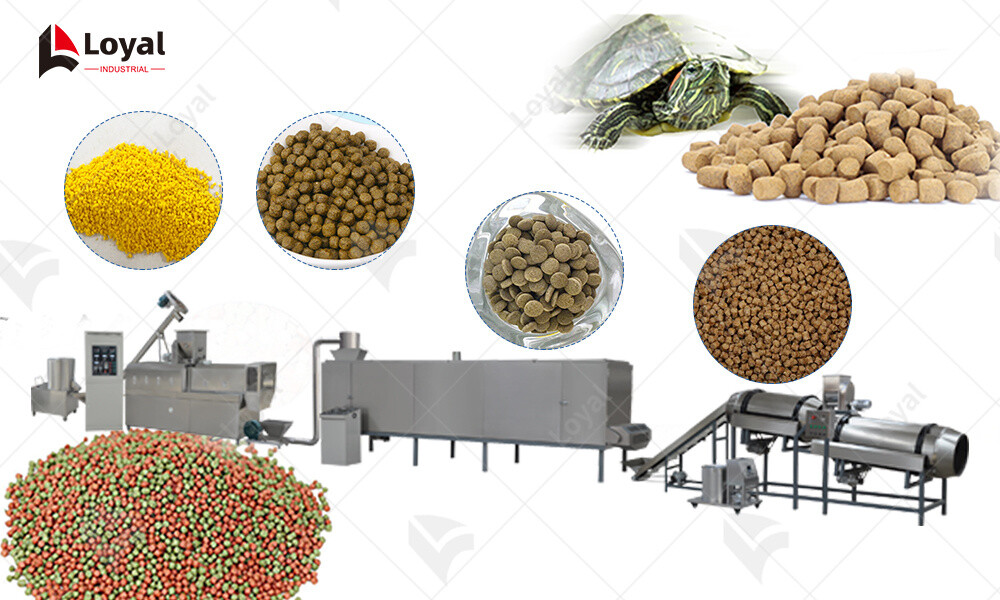
Extruded feed, also known as cooked feed, is a new type of feed processed using an extrusion process. After extrusion, the raw materials form a "popcorn" state, changing not only their physical appearance but also the molecular structure of their internal organic matter, making starch easier to digest and protein easier to utilize.
Extruded feed undergoes a high-temperature treatment at 130-160 degrees Celsius during production, similar to the process of cooking rice. Cooking raw rice into cooked rice makes it easier for us to absorb its nutrients. Fish, as lower animals, have relatively simple digestive systems and low absorption rates. High temperatures break down and soften the fiber structure, destroy anti-nutritional factors, and increase starch gelatinization, all of which improve the fish's absorption capacity and reduce waste. Furthermore, the high-temperature treatment kills pathogens, parasites, and parasite eggs in the feed, preventing disease and effectively protecting the health of the fish. Therefore, some say that the extrusion process, which transforms raw feed into cooked feed, represents a revolutionary change in the feed industry.
II. Advantages of Extruded Feed
1. The extrusion process places high demands on raw materials. High-quality raw materials are essential to ensure effective extrusion. For example, cottonseed meal should only use varieties with a crude protein content of 46%, while rapeseed meal should ideally be imported from Canada or high-quality domestic 200-type rapeseed meal.
2. Because the protein is bound to the starch matrix, it is less likely to be lost during feeding. The protein is only released when digestive enzymes in the animal's body break down the starch, thus increasing the protein's value. The extrusion process also denatures the protein, shortening the hydrolysis time in the intestines.
3. Extrusion releases encapsulated fats from the raw material molecules, increasing the calorific value of the fat. Extrusion also forms complex products such as lipoproteins or lipopolysaccharides with fats, starch, or protein, reducing the content of free fatty acids and minimizing rancidity and spoilage of fat components during storage and transportation. Simultaneously, extrusion reduces the content of bacteria, mold, and fungi in the raw materials, improving the hygienic quality of the feed and further ensuring its safety.
4. Extruded feed is not only safer and more nutritious, but also easier to digest and absorb. It improves palatability and flavor, facilitates storage and aquaculture management, and causes less water pollution.
5. Extruded feed has excellent buoyancy. Due to its buoyancy, workers only need to pour the feed into the water. Feeding status is immediately apparent, significantly reducing workload and preventing feed waste, thus saving costs.
III. Main Differences Between Pelletized and Extruded Feed
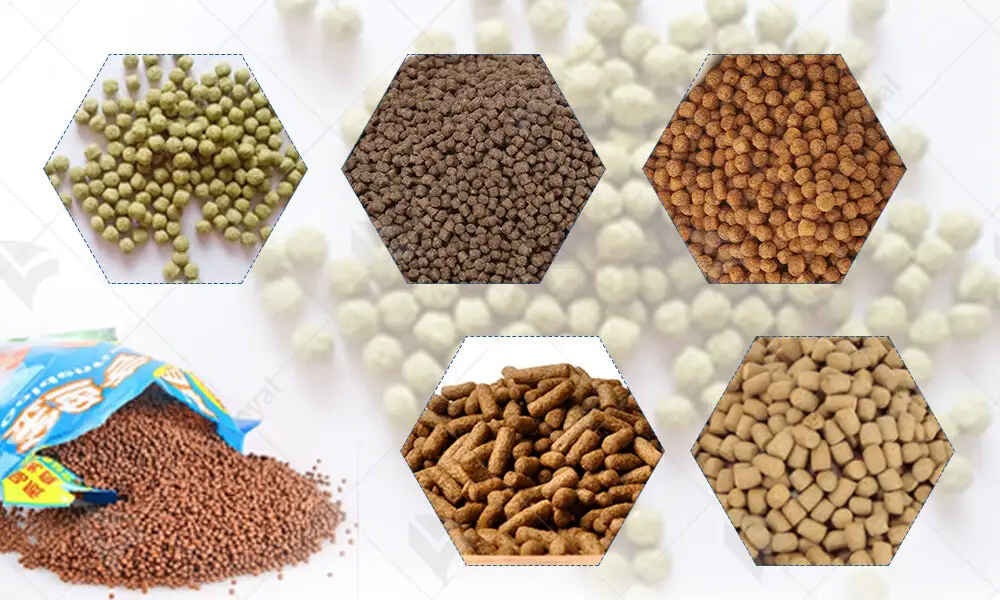
Extruded feed is a porous feed obtained by rapidly reducing pressure after being processed in an extruder at high temperature and pressure. Pelletized feed is generally extruded into granular form by the pressure rollers of a pellet mill, typically in a cylindrical shape. Both extruded and pelleted feed can be used as fish feed. Extruded feed is more effective due to its better palatability and digestibility, but it is much more expensive. Pelletized feed is sufficient for most freshwater fish, while extruded feed is used for specialty, high-end fish.
The main difference between extruded feed and pelleted feed lies in the conditioning, extrusion, and liquid spraying processes. In the feed conditioning process, extruded feed production involves adding water and steam together, resulting in a moisture content of around 25%. Pelleted feed, on the other hand, only requires steam, resulting in a moisture content of around 17%. Furthermore, pelleted feed production eliminates the extrusion and liquid spraying processes, but includes an additional pelleting step.
Extruded feed improves digestibility primarily because the processing requires finer raw material grinding, and the high temperature during extrusion increases starch maturation, facilitating digestion and absorption by fish. Secondly, the stability of extruded feed in water for 12-36 hours allows for direct monitoring of fish feeding, reducing water pollution. Thirdly, the intense, high-temperature, and high-humidity kneading during extrusion kills some harmful bacteria in the raw materials. Despite these significant advantages, and the acceptance of this novel processing technology by many feed manufacturers, the substantial initial investment in extruded feed production lines deters many developing feed processing companies from adopting this technology.
IV. How to Efficiently Mix and Feed Hard Pellets and Extruded Feed
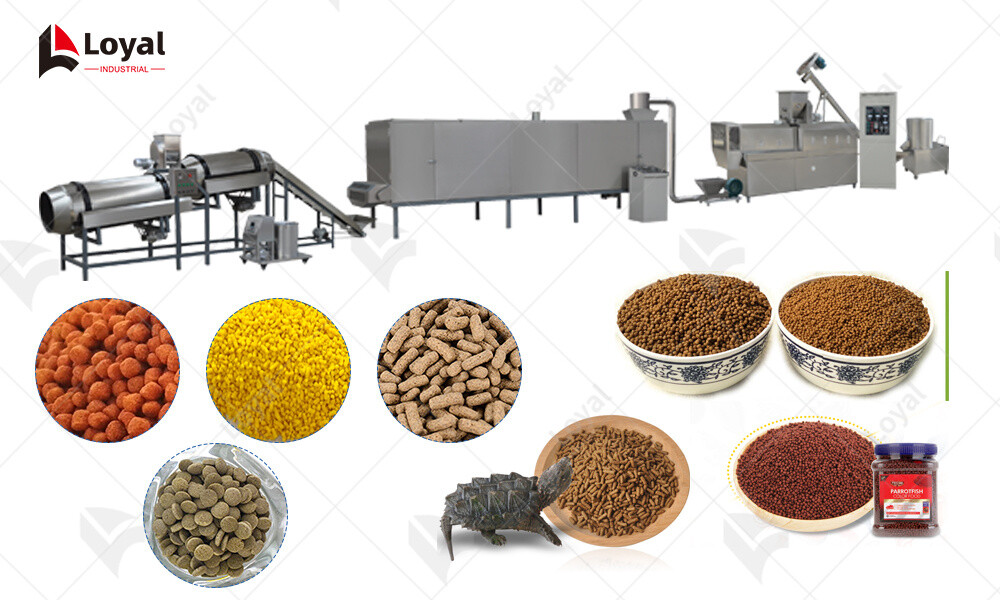
Advantages of Mixed Feeding: It can better regulate water quality, preventing the water from becoming too fertile or too nutrient-poor, and can also improve the growth rate of the main cultured species and adjust their body shape and condition, thereby increasing the yield of the co-cultured species.
1. Feeding hard pellets first, followed by extruded feed, allows farmers to observe the fish eating, thus rationally controlling their feed intake and reducing feed waste.
2. Feeding sinking feed in spring and winter (beginning and end of the year), and extruded feed in summer and autumn. This feeding method is very popular in Jiaxing and Huzhou, Zhejiang. In summer and autumn, the water temperature is high, and fish grow vigorously, making extruded feed particularly effective; while in spring and winter, the water temperature is low, and fish generally feed at the bottom of the pond, where sinking feed perfectly meets their feeding habits. Therefore, fish raised using this feeding method have good body shape, sufficient weight, and are more resistant to transportation by the end of the year. 3. Grass carp fry farming, mainly concentrated in Huangpu Town, Zhongshan City, involves farmers mixing hard pellets and extruded feed before feeding, considering the fish's aggressive feeding behavior during the high-temperature season. In autumn and winter, when water temperatures are low and fish feed slowly, and because hard pellets have a short water resistance (generally less than 3 minutes) and dissolve easily in small fish, farmers feed a higher proportion of extruded feed to reduce feed waste and increase economic benefits.
4. Hard pellets are fed in the morning, and extruded feed in the afternoon.
5. Extruded feed is fed first, followed by hard pellets. Farmers believe extruded feed is more fragrant and palatable. After the fish have eaten about 60% of their hard pellets, they will still consume large amounts of extruded feed, leading to overeating, digestive problems, and intestinal diseases.
V. Disadvantages of Extruded Feed
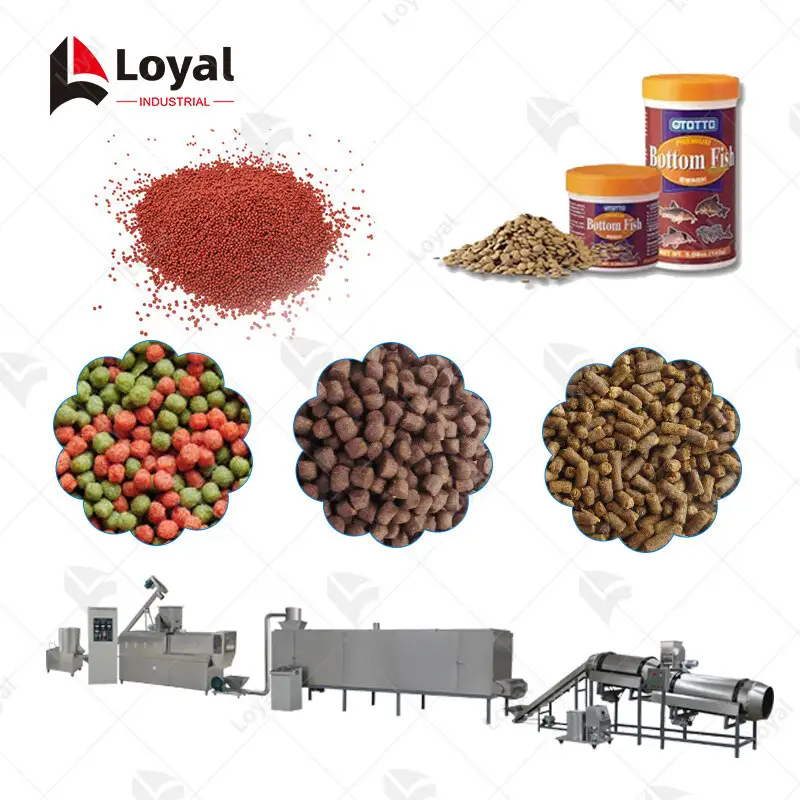
The impact of extrusion on growth performance is not necessarily positive. There are reports from abroad that extruded feed leads to decreased feed intake and impaired growth in fish. Extruded feed undergoes the Maillard reaction during the extrusion process, negatively impacting animal protein raw materials such as fishmeal and meatmeal, reducing their utilization value. It also produces a thermosensitive effect, accelerating fat oxidation and causing significant vitamin loss.
In traditional Chinese aquaculture models, whether carp-based or grass carp-based, a certain degree of polyculture of silver carp and bighead carp is necessary to increase yield, improve efficiency, and control water quality. However, when using extruded feed, the polycultured silver carp and bighead carp often exhibit poor growth, affecting overall profitability (as illustrated by numerous case studies).
Reference
The following are five authoritative foreign literature websites in the field of Industrial food machinery:
1. Food Engineering Magazine
Website: https://www.foodengineeringmag.com/
2.Food Processing Magazine
Website: https://www.foodprocessing.com/
3.Journal of Food Engineering
Website:https://www.journals.elsevier.com/journal-of-food-engineering
4. Food Manufacturing Magazine
Website:https://www.foodmanufacturing.com/
5. International Journal of Food Science & Technology
Website:https://onlinelibrary.wiley.com/