



Everything You Need To Know Aboutcereal powder food nutrition powder production line
Overview of the Cereal Powder Food Nutrition Powder Production Line
The cereal powder food nutrition powder production linerepresents a significant advancement in the food machinery industry. This fully automatic system is designed to streamline the production process, ensuring both high efficiency and energy saving. As consumer demand for nutritional powder products continues to grow, manufacturers are increasingly turning to advanced production lines to meet this demand while maintaining high standards of quality and sustainability.
The fully automatic cereal powder food nutrition powder production lineintegrates various stages of production, from raw material handling to packaging. This comprehensive approach not only enhances productivity but also minimizes human intervention, reducing the risk of contamination and ensuring consistent product quality. The integration of automation technologies such as IoT and AI further optimizes the production process, enabling real-time monitoring and adjustments to improve efficiency and reduce energy consumption.
Importance of High Efficiency and Energy Saving in Food Production
In the competitive landscape of the food industry, high efficiency and energy saving are critical factors for success. The fully automatic cereal powder food nutrition powder production line embodies these principles, offering a streamlined solution that not only boosts productivity but also significantly reduces operational costs.
High Efficiency in Food Production
Efficiency in food production is paramount for meeting market demands and maintaining profitability. The fully automatic cereal powder food nutrition powder production line is designed to optimize every stage of the production process. From precise dosing of raw materials to rapid mixing and seamless packaging, each step is meticulously controlled to minimize waste and maximize output. Advanced automation technologies, such as robotics and intelligent control systems, ensure that the production line operates at peak performance with minimal downtime.
This high level of efficiency translates into several benefits for manufacturers:
1.Increased Throughput:The ability to produce larger quantities of cereal powder food nutrition powder in a shorter time frame.
2.Consistent Quality:Automated processes reduce the variability inherent in manual operations, ensuring uniform product quality.
3.Cost Reduction:Efficient use of raw materials and reduced labor costs contribute to overall cost savings.
Energy Saving in Food Production
Energy consumption is a significant concern in the food production industry, both from a cost and environmental perspective. The fully automatic cereal powder food nutrition powder production line incorporates energy-saving technologies to address this issue. Energy-efficient motors, optimized heating systems, and real-time energy monitoring are just a few of the features designed to reduce the energy footprint of the production process.
Implementing energy-saving measures offers numerous advantages:
1.Lower Operating Costs:Reduced energy consumption directly impacts the bottom line by lowering utility bills.
2.Sustainability:Energy-efficient production practices contribute to environmental sustainability, aligning with global efforts to reduce carbon emissions.
3.Regulatory Compliance:Meeting energy efficiency standards helps manufacturers comply with increasingly stringent environmental regulations.
By focusing on high efficiency and energy saving, the fully automatic cereal powder food nutrition powder production line not only enhances production capabilities but also supports sustainable and cost-effective operations. These attributes make it an indispensable asset for manufacturers aiming to stay competitive in the dynamic food industry.
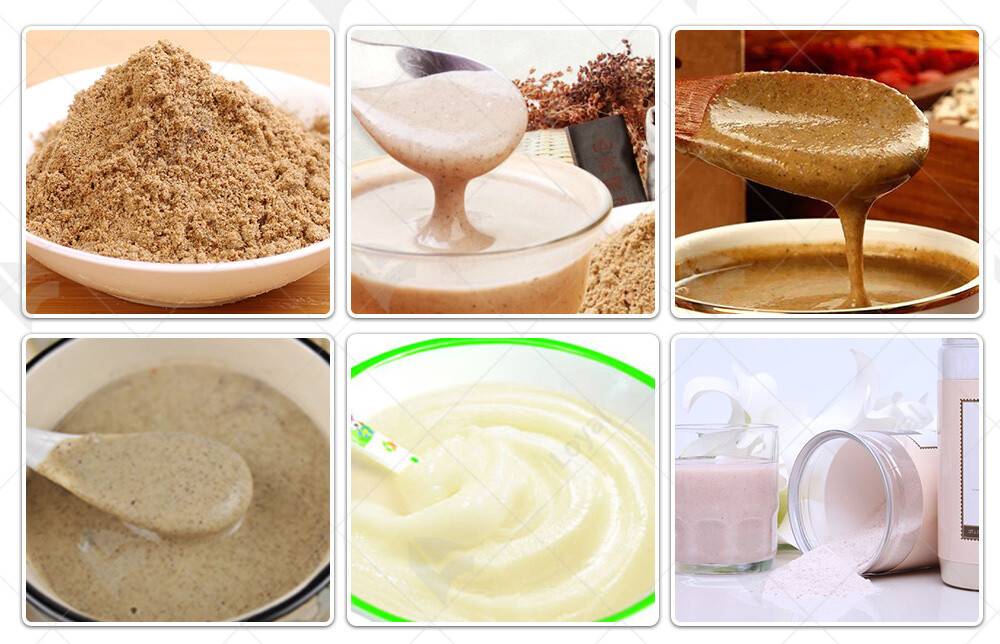
Understanding the Fully Automatic Production Line
Definition and Components of a Fully Automatic Cereal Powder Food Nutrition Powder Production Line
A fully automatic cereal powder food nutrition powder production line represents the pinnacle of technological advancement in the food machinery industry. It integrates various processes to create a seamless and efficient production flow, drastically reducing the need for human intervention and increasing overall productivity.
The core components of this sophisticated production line typically include:
1.Raw Material Handling System:This involves the precise measurement and transport of raw materials, such as grains and vitamins, ensuring consistent quality and quantity in each batch.
2.Mixing and Blending Equipment:High-speed mixers and blenders ensure that all ingredients are thoroughly combined, creating a uniform powder mixture. This step is crucial for maintaining the nutritional integrity and consistency of the final product.
3.Extrusion and Drying Machines:The mixture is then processed through extruders, which shape the cereal powder. Advanced drying machines remove moisture efficiently, ensuring the powder's stability and shelf life.
4.Sieving and Screening Units:These units remove any oversized particles or impurities, ensuring that the final product meets strict quality standards.
5.Packaging Machines:The final step involves automated packaging systems that seal the cereal powder food nutrition powder in airtight containers, protecting it from contamination and extending its shelf life.
Key Technologies and Innovations in Automation
The fully automatic cereal powder food nutrition powder production line leverages cutting-edge technologies to enhance efficiency and precision:
1.Internet of Things (IoT):IoT-enabled sensors and devices provide real-time monitoring and data collection throughout the production process. This data is used to make instantaneous adjustments, ensuring optimal performance and reducing downtime.
2.Artificial Intelligence (AI):AI algorithms analyze production data to predict maintenance needs, optimize resource allocation, and improve overall efficiency. Machine learning models can also enhance quality control by identifying patterns and anomalies in the production process.
3.Robotic Automation:Robots are employed for various tasks, from handling raw materials to packaging finished products. Their precision and reliability reduce errors and increase the speed of operations.
4.Energy-Efficient Technologies:Advanced energy management systems are integrated into the production line to monitor and optimize energy consumption. This includes the use of energy-efficient motors, variable frequency drives, and heat recovery systems.
By understanding the components and technologies that make up a fully automatic cereal powder food nutrition powder production line, manufacturers can appreciate the profound impact these systems have on productivity, efficiency, and product quality. These innovations not only streamline production but also contribute to sustainability efforts by reducing energy usage and waste.
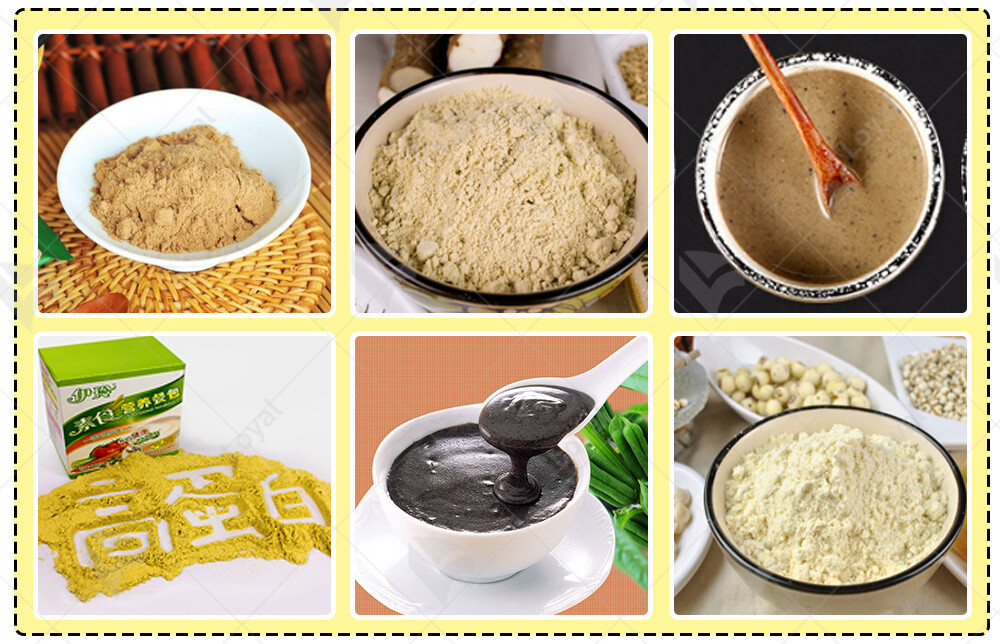
Enhancing Efficiency in Production
Techniques for Achieving High Efficiency in the Production Line
Achieving high efficiency in the cereal powder food nutrition powder production line is essential for maximizing output and maintaining competitive advantage. Several techniques and strategies can be implemented to enhance efficiency, ensuring that the production process is both streamlined and cost-effective.
1. Lean Manufacturing Principles
Lean manufacturing focuses on minimizing waste and optimizing processes. By adopting these principles, manufacturers can identify and eliminate inefficiencies in the cereal powder food nutrition powder production line. This includes:
-Value Stream Mapping:Analyzing every step in the production process to identify non-value-added activities.
-Continuous Improvement (Kaizen):Encouraging small, incremental changes that collectively enhance overall efficiency.
-Just-In-Time (JIT) Production:Reducing inventory levels by producing only what is needed, when it is needed.
2. Advanced Automation and Robotics
The integration of advanced automation and robotics plays a crucial role in enhancing efficiency. Robots can perform repetitive and precise tasks with greater speed and accuracy than human workers, reducing the likelihood of errors and increasing throughput. In the cereal powder food nutrition powder production line, robots can be used for:
-Material Handling:Automated systems for transporting raw materials and finished products.
-Mixing and Blending:Robotic mixers ensure consistent and thorough blending of ingredients.
-Packaging:Automated packaging machines can handle high volumes with precision, ensuring airtight seals and reducing waste.
3. Real-Time Monitoring and Data Analytics
Real-time monitoring and data analytics are indispensable tools for improving efficiency. IoT-enabled sensors and devices collect data at every stage of the production process. This data is analyzed to identify bottlenecks, predict maintenance needs, and optimize operations. Key benefits include:
-Predictive Maintenance:Using data analytics to predict when equipment will need maintenance, reducing downtime and preventing unexpected breakdowns.
-Process Optimization:Analyzing data to streamline production processes, reduce cycle times, and improve overall efficiency.
-Quality Control:Real-time monitoring ensures consistent product quality by detecting deviations and making immediate adjustments.
4. Energy Management Systems
Energy management systems are essential for reducing energy consumption and costs. These systems monitor energy use in real-time and provide insights into where savings can be made. In the cereal powder food nutrition powder production line, energy management systems can:
-Optimize Equipment Performance:Ensure that machinery operates at peak efficiency.
-Reduce Idle Time:Minimize energy use during downtime by shutting off or scaling back non-essential equipment.
-Implement Energy-Efficient Practices:Adopt practices such as heat recovery and the use of energy-efficient motors and drives.
5. Employee Training and Engagement
Well-trained and engaged employees are vital for maintaining high efficiency. Continuous training programs ensure that workers are skilled in the latest technologies and processes. Additionally, fostering a culture of engagement and ownership encourages employees to identify inefficiencies and contribute to improvements.
By implementing these techniques, manufacturers can significantly enhance the efficiency of their cereal powder food nutrition powder production line. These improvements not only boost productivity but also contribute to cost savings and environmental sustainability, making them essential for long-term success in the food machinery industry.

Challenges and Solutions
Common Challenges in Implementing Fully Automatic Production Lines
Implementing a fully automatic cereal powder food nutrition powder production line presents several challenges. Understanding these challenges is crucial for developing effective solutions and ensuring a smooth transition to automated processes.
High Initial Investmen | One of the primary challenges is the high initial investment required for setting up a fully automatic production line. The cost of advanced machinery, robotics, and automation technologies can be substantial. Additionally, integrating these systems with existing infrastructure may require further expenditure. |
Technical Complexity | The technical complexity of fully automatic production lines can be daunting. These systems involve intricate configurations and precise calibrations, which require specialized knowledge and expertise. Ensuring that all components work seamlessly together is essential for optimal performance. |
Maintenance and Downtime | Automated systems, while efficient, require regular maintenance to function correctly. Predictive maintenance can mitigate this issue, but unexpected breakdowns can still occur, leading to downtime and production delays. Developing a robust maintenance strategy is crucial for minimizing these disruptions. |
Training and Workforce Adaptation | Transitioning to a fully automatic cereal powder food nutrition powder production line necessitates significant changes in workforce roles and responsibilities. Employees need comprehensive training to operate and manage automated systems effectively. Resistance to change and adaptation challenges can also arise, impacting productivity. |
Quality Control | Maintaining consistent product quality is a critical concern. Automated systems must be precisely calibrated to ensure that the cereal powder food nutrition powder meets all quality standards. Any deviations can lead to subpar products, affecting brand reputation and customer satisfaction. |
Effective Solutions and Best Practices
Addressing these challenges requires a strategic approach that incorporates best practices and innovative solutions. Here are some effective strategies:
Cost-Benefit Analysis and ROI Planning | Conducting a thorough cost-benefit analysis and planning for return on investment (ROI) can help justify the initial expenditure. By projecting long-term savings and productivity gains, manufacturers can make informed decisions about investing in a fully automatic production line. |
Partnering with Experts | Collaborating with industry experts and technology providers can simplify the implementation process. These partners can offer valuable insights, training, and support, ensuring that the production line is set up and operated efficiently. |
Implementing Predictive Maintenance | Adopting predictive maintenance strategies can significantly reduce downtime. By using data analytics and IoT sensors to monitor equipment health, manufacturers can predict and address maintenance needs before they lead to failures. This proactive approach minimizes disruptions and extends the lifespan of machinery. |
Comprehensive Training Programs | Investing in comprehensive training programs is essential for workforce adaptation. Training should cover not only the technical aspects of operating automated systems but also emphasize the benefits of automation. Encouraging a culture of continuous learning and adaptation can ease the transition. |
Rigorous Quality Control Measures | Implementing rigorous quality control measures ensures that the cereal powder food nutrition powder meets all standards. This includes regular calibration of equipment, real-time monitoring of production processes, and using AI algorithms to detect and address anomalies promptly. |
By addressing these challenges with effective solutions, manufacturers can successfully implement and operate a fully automatic cereal powder food nutrition powder production line. This approach not only enhances efficiency and energy saving but also ensures that the production process is reliable, sustainable, and capable of meeting market demands.

Reference
The following are five authoritative foreign literature websites in the field of Industrial food machinery:
1. Food Engineering Magazine
Website: https://www.foodengineeringmag.com/
2.Food Processing Magazine
Website: https://www.foodprocessing.com/
3.Journal of Food Engineering
Website:https://www.journals.elsevier.com/journal-of-food-engineering
4. Food Manufacturing Magazine
Website:https://www.foodmanufacturing.com/
5. International Journal of Food Science & Technology
Website:https://onlinelibrary.wiley.com/