



Everything You Need To Know Aboutbiscuit production line
If you want to know more story about LOYAL brand, here can help you - https://www.facebook.com/foodmachineloyal
Introduction
The biscuit production line is a cornerstone of the snack food industry, where efficiency and flavor consistency are critical to meeting consumer demands and maintaining competitive advantage. Whether producing soft and hard biscuits, manufacturers face the dual challenge of maximizing throughput while ensuring uniform taste, texture, and quality across every batch.
Modern advancements in biscuit making machines have revolutionized the industry, enabling precise control over mixing, shaping, and baking processes. For soft biscuits, maintaining moisture retention and tenderness requires specialized dough handling, while hard biscuits demand exact baking parameters to achieve the desired crispness. These variations necessitate adaptable, high-performance production systems capable of seamless transitions between product types.
However, inefficiencies—such as energy waste, inconsistent dough mixing, or uneven baking—can compromise both productivity and product quality. Emerging technologies, including AI-driven automation and IoT-enabled monitoring, are now being integrated into biscuit production lines to address these challenges. This article explores the latest innovations that optimize operational efficiency while guaranteeing flavor consistency, ensuring manufacturers can meet the evolving expectations of today’s discerning consumers.

Key Components of a Modern Biscuit Production Line
The efficiency and quality of biscuit manufacturing depend on the seamless integration of specialized equipment and processes within the biscuit production line. Each stage—from dough preparation to baking—plays a crucial role in determining the final product’s texture, flavor, and consistency, whether producing soft and hard biscuits.
1. Dough Preparation Stage
The foundation of any high-quality biscuit lies in precise dough formulation and mixing. Modern biscuit making machines incorporate advanced features such as:
Automated Ingredient Dosing Systems: Ensure exact proportions of flour, sugar, fats, and leavening agents for consistent dough properties.
Variable-Speed Mixers: Adjust mixing intensity and duration based on whether the dough is intended for soft biscuits (requiring gentle blending to retain moisture) or hard biscuits (needing firmer gluten development for crispness).
Temperature-Controlled Tanks: Maintain optimal dough conditions to prevent premature fermentation or drying.
2. Forming and Shaping
This stage transforms the dough into uniform shapes, with equipment tailored to product requirements:
Rotary Molders: Ideal for intricate designs and hard biscuits, pressing dough into molds with high precision.
Wire-Cut Machines: Better suited for soft biscuits, extruding dough portions with minimal handling to preserve tenderness.
Adaptive Systems: Some biscuit production lines feature hybrid machines capable of switching between formats, reducing downtime during product changeovers.
3. Baking and Cooling
The baking process is where flavor and texture are finalized, demanding tight control:
Multi-Zone Ovens: Adjust temperature and humidity profiles dynamically—higher heat for hard biscuits to achieve crunch, lower heat for soft biscuits to retain moisture.
AI-Driven Monitoring: Sensors track color, moisture, and thickness in real time, making instant adjustments to avoid under- or over-baking.
Energy-Efficient Designs: Recirculated hot air and heat recovery systems reduce energy waste, a critical consideration for large-scale biscuit production lines.
By optimizing these core components, manufacturers can enhance both productivity and product quality. The next section will delve into specific strategies for maximizing efficiency across the entire biscuit production line.
Strategies for Optimizing Efficiency in Biscuit Production
In today's competitive market, optimizing the biscuit production line requires a combination of smart technology implementation and process refinement. These strategies are particularly crucial when manufacturing both soft and hard biscuits, where different production parameters must be carefully balanced.
Predictive Maintenance Systems
Implementation of IoT sensors on biscuit making machines to monitor vibration, temperature, and wear patterns
AI algorithms that predict equipment failures before they occur, minimizing unplanned downtime
Case study: A major manufacturer reduced maintenance costs by 30% after implementing predictive analytics
Automated Quality Control
Computer vision systems that inspect every biscuit for size, shape, and color consistency
Real-time feedback loops that adjust biscuit production line parameters automatically
Specialized systems for both soft and hard biscuits to account for different quality benchmarks
Energy Optimization Techniques
Heat recovery systems that capture waste energy from ovens
Smart scheduling of production runs to minimize energy-intensive changeovers
Comparative analysis of energy use between soft and hard biscuit production
Workflow Synchronization
Digital twin technology to simulate and optimize the entire biscuit production line
Automated material handling systems that maintain perfect timing between production stages
Buffer management solutions for smooth transitions between different product types
These efficiency strategies not only reduce operational costs but also ensure consistent product quality across all biscuit varieties. The next section will examine how to maintain flavor consistency while implementing these optimization measures.
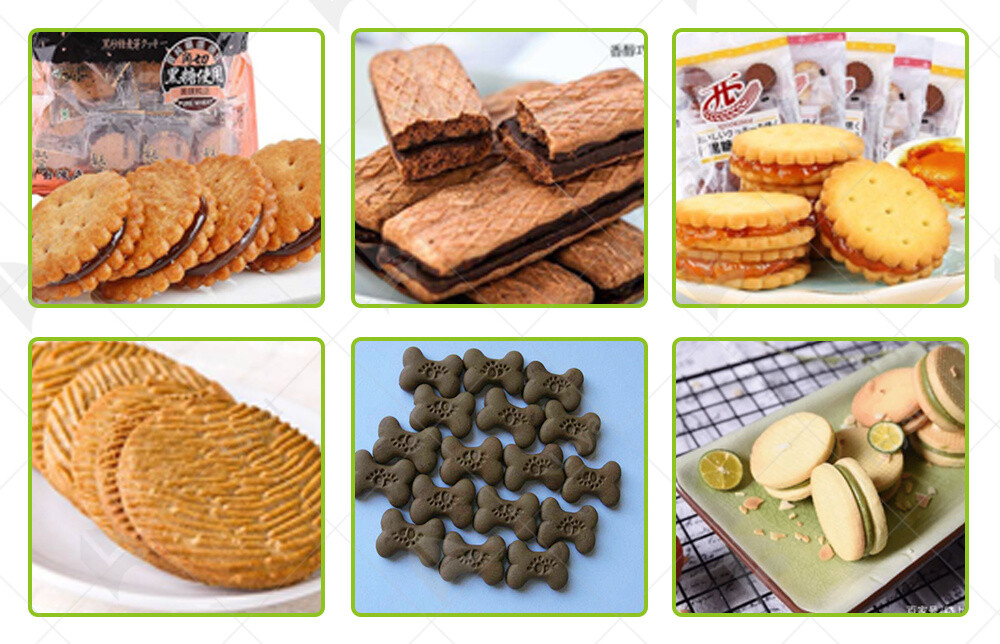
Ensuring Flavor Consistency Across Varieties
Maintaining consistent flavor profiles presents unique challenges in biscuit production lines, particularly when manufacturing both soft and hard biscuits simultaneously. This section examines key approaches to guarantee taste uniformity while accommodating different product specifications.
Ingredient Standardization Protocols
Implementation of near-infrared (NIR) spectroscopy for raw material verification
Automated moisture control systems in biscuit making machines to compensate for ingredient variability
Special handling procedures for flavor-sensitive components in both soft and hard biscuit recipes
Precision Baking Control
Multi-spectral imaging systems for real-time Maillard reaction monitoring
Adaptive oven zones that automatically adjust for product thickness variations
Case study: Flavor consistency improvements achieved through dynamic heat profiling
Process Parameter Optimization
DOE (Design of Experiments) methodologies to identify critical flavor factors
Closed-loop feedback systems between mixing and baking stages
Differential processing parameters for soft and hard biscuits to achieve equivalent flavor development
Sensory Analysis Integration
Electronic nose technology for objective flavor assessment
Correlation of instrumental measurements with consumer preference data
Machine learning models predicting flavor outcomes based on process variables
These comprehensive approaches enable manufacturers to deliver products with reliable flavor characteristics while maintaining the distinct textural qualities of soft and hard biscuits. The next section will explore emerging technologies that promise to further revolutionize biscuit production line capabilities.
Future Trends and Innovations in Biscuit Manufacturing
The biscuit production line of tomorrow will leverage cutting-edge technologies to address evolving consumer demands and sustainability requirements. These advancements will particularly impact the production of both soft and hard biscuits, offering new possibilities for customization and efficiency.
Smart Manufacturing Revolution
Integration of digital twins for virtual biscuit production line optimization
Blockchain-enabled traceability from raw materials to finished products
Self-learning biscuit making machines that continuously improve operations
Advanced Robotics Applications
Collaborative robots (cobots) for flexible packaging solutions
AI-guided robotic systems for handling delicate soft biscuits without damage
Automated quality inspection robots with hyperspectral imaging capabilities
Sustainable Production Innovations
Carbon-neutral baking technologies for eco-friendly operations
Water recycling systems specifically designed for biscuit production lines
Bio-based packaging materials that maintain freshness for both soft and hard biscuits
Personalization and Customization
On-demand manufacturing systems for niche market products
3D food printing applications for customized biscuit shapes and textures
Adaptive biscuit making machines capable of micro-batch production
Next-Generation Quality Control
Quantum sensor technology for unprecedented measurement precision
Augmented reality interfaces for real-time production monitoring
Predictive analytics for flavor and texture optimization
These innovations promise to transform the biscuit production line into a more responsive, sustainable, and efficient system capable of meeting future market challenges while maintaining the highest quality standards for both soft and hard biscuits.
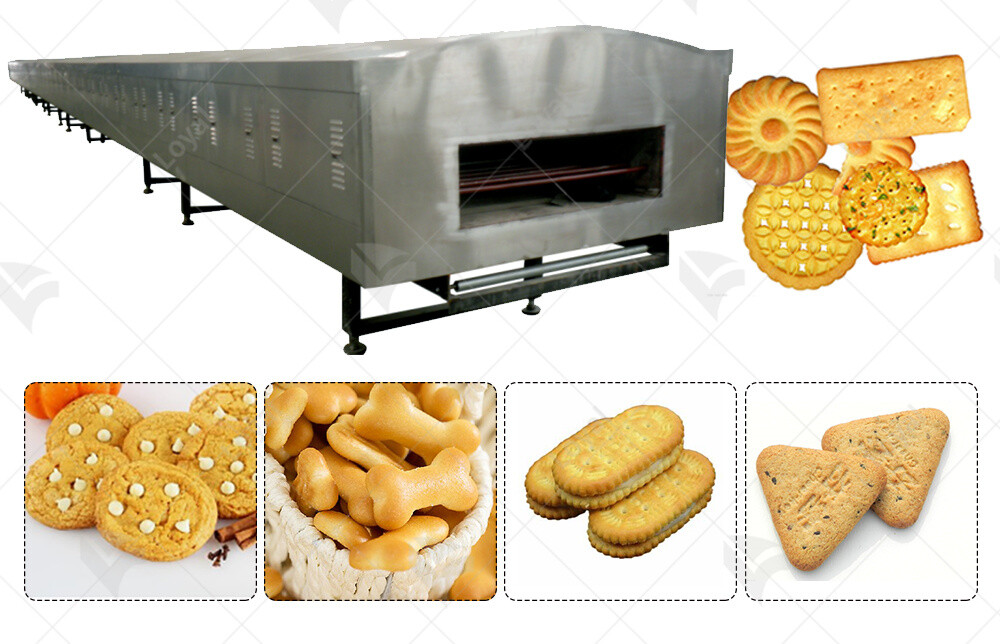
Understanding Soft and Hard Biscuits: Characteristics and Production Considerations
Biscuits, as one of the world's most popular snack foods, can be broadly categorized into two main types: soft biscuits and hard biscuits. While both varieties share common ingredients like flour, sugar, and fats, their distinct textures, production processes, and consumer appeal set them apart in the global market.
Soft Biscuits: Delicate Texture and Moisture Retention
Soft biscuits are characterized by their tender crumb, higher moisture content (typically 8-12%), and often cake-like texture. Popular examples include sandwich cookies with creamy fillings, whoopie pies, and certain breakfast biscuits.
Key Features:
Texture: Achieved through controlled gluten development and higher fat/sugar ratios
Moisture Management: Requires precise baking parameters to retain softness without becoming stale
Production Challenges: More susceptible to damage during handling and packaging
In modern biscuit production lines, soft biscuit manufacturing demands:
→ Gentle mixing cycles in biscuit making machines to prevent over-development of gluten
→ Lower baking temperatures (typically 160-180°C) with higher humidity
→ Specialized cooling tunnels to prevent surface cracking
Hard Biscuits: Crisp Texture and Extended Shelf Life
Hard biscuits, including digestives, crackers, and traditional tea biscuits, feature moisture content below 4%, creating their signature snap and extended shelf stability.
Key Features:
Crispness: Developed through extended baking at higher temperatures
Dough Handling: Requires firmer, more elastic doughs
Flavor Development: Maillard reaction plays a more significant role
Production in biscuit production lines emphasizes:
→ Intensive mixing to develop gluten structure
→ High-temperature baking (200-220°C) for proper drying
→ Precision cutting systems to create clean edges
Comparative Production Insights
Modern biscuit making machines must accommodate both types through:
Adaptable Dough Systems:
Variable-speed mixers that adjust for soft/hard biscuit requirements
Moisture sensors ensuring dough consistency
Baking Flexibility:
Multi-zone ovens that can switch between soft/hard biscuit profiles
Real-time thermal imaging for perfect bake control
Quality Assurance:
Different testing protocols for each type (e.g., penetrometer tests for soft biscuits, snap tests for hard varieties)
The growing consumer demand for both textural experiences drives innovation in biscuit production lines, with manufacturers increasingly adopting modular systems that can efficiently switch between soft and hard biscuit production while maintaining consistent quality and operational efficiency. This duality represents both a technical challenge and business opportunity in the evolving biscuit industry.

Conclusion: The Future of Biscuit Manufacturing Excellence
As the global biscuit industry evolves, optimizing biscuit production lines remains critical for meeting consumer expectations for both quality and variety. This article has examined how modern innovations—from AI-driven biscuit making machines to sustainable processing methods—are revolutionizing the manufacture of soft and hard biscuits.
Key Takeaways:
Efficiency and quality are no longer competing priorities, thanks to smart technologies that synchronize entire biscuit production lines while maintaining flavor consistency.
Flexibility in manufacturing has become essential, with adaptable systems enabling rapid switches between soft and hard biscuit production without compromising output.
Sustainability is now integrated into core operations, from energy recovery to waste reduction, ensuring eco-friendly scalability.
The Path Forward:
Manufacturers must continue investing in IoT and AI to stay competitive.
Collaboration between food scientists and engineers will drive the next wave of biscuit making machine innovations.
Consumer demand for both premium soft biscuits and traditional hard biscuits requires balanced technological solutions.
By embracing these advancements, the biscuit industry can achieve unprecedented levels of productivity, quality, and sustainability—securing its place in the future of food manufacturing.
Future Trends in Biscuit Production: The Next Frontier
The biscuit manufacturing industry is poised for transformative changes as emerging technologies and shifting consumer preferences reshape production paradigms. Over the next decade, biscuit production lines will evolve to address three critical dimensions: hyper-efficiency, personalized nutrition, and sustainable operations.
1. AI-Optimized Smart Factories
Next-generation biscuit making machines will incorporate deep learning algorithms capable of autonomous recipe adjustments in real-time. These systems will:
Analyze raw material variations and automatically compensate mixing parameters
Predict optimal baking curves for both soft and hard biscuits using historical data
Implement self-correcting mechanisms that reduce waste by up to 40%
2. Personalized Nutrition at Scale
Advancements in digital printing and modular production will enable:
On-demand vitamin/mineral fortification tailored to demographic needs
Texture customization where consumers can select crispness levels (5-15 on a hardness scale)
AI-generated flavor profiles combining regional preferences with nutritional science
3. Sustainable Production Ecosystems
The biscuit production line of 2030 will achieve carbon neutrality through:
Microwave-assisted baking reducing energy use by 60% versus conventional ovens
Closed-loop water systems that recycle 95% of processing water
Upcycled ingredient streams converting production byproducts into premium additives
4. Blockchain-Enabled Transparency
Immutable quality tracking will become standard, allowing consumers to:
Verify the farm-to-shelf journey of every ingredient
Access detailed carbon footprint data for each biscuit variety
Receive personalized freshness guarantees based on real-time shelf-life algorithms
These innovations will particularly benefit soft biscuit production (where moisture control is critical) and hard biscuit manufacturing (where energy-intensive baking dominates). As the industry moves toward Industry 5.0, the integration of human creativity with machine precision will unlock unprecedented possibilities in biscuit technology and product development.
Reference
The following are five authoritative foreign literature websites in the field of Industrial food machinery:
1. Food Engineering Magazine
Website: https://www.foodengineeringmag.com/
2.Food Processing Magazine
Website: https://www.foodprocessing.com/
3.Journal of Food Engineering
Website:https://www.journals.elsevier.com/journal-of-food-engineering
4. Food Manufacturing Magazine
Website:https://www.foodmanufacturing.com/
5. International Journal of Food Science & Technology
Website:https://onlinelibrary.wiley.com/