



Discovering The World Of Instant Porridge Production Line
Introduction to Instant Porridge Production Line
The instant porridge production line is a remarkable innovation in the realm of food manufacturing, catering to the increasing demand for convenient and nutritious breakfast options. Instant porridge, a staple in many households, has seen a surge in popularity due to its quick preparation time and health benefits. Understanding the intricacies of its production line offers insight into the technological advancements and industrial processes that bring this essential product to market.
The significance of instant porridge in modern diets cannot be overstated. It provides a quick, nutritious meal option for busy individuals, making it a preferred choice among various age groups. The journey of instant porridge from raw ingredients to a ready-to-eat product involves several sophisticated steps, each crucial for maintaining quality and efficiency.
Historically, the production of porridge was a labor-intensive process. However, with the advent of advanced machinery and production lines, the process has been streamlined and automated, ensuring consistency and high standards. The development of the instant porridge production line marks a pivotal point in the food industry, blending traditional dietary preferences with modern manufacturing techniques.
The introduction of the instant porridge production line has revolutionized the food industry, setting new standards for efficiency and quality. It represents the intersection of technology and nutrition, highlighting the importance of innovation in meeting consumer needs.
Key Components of an Instant Porridge Production Line
Mixing and Blending Systems
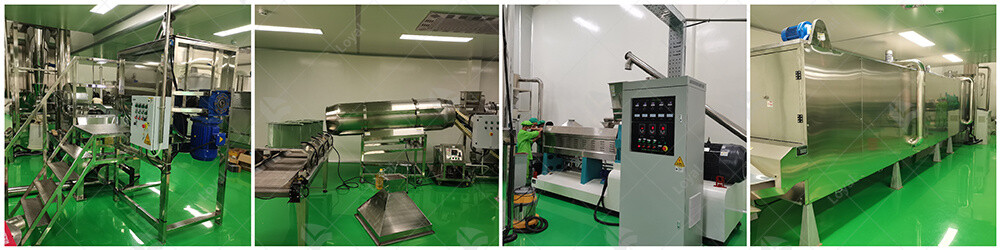
The first crucial component in an Instant Porridge Production Line is the mixing and blending system. This system ensures that all raw ingredients, including grains, flavorings, and additives, are thoroughly combined to achieve a uniform mixture. High-speed mixers and blenders are used to maintain consistency and quality, crucial for the final product's taste and texture.
Cooking and Extrusion Equipment
Next in line is the cooking and extrusion equipment. This machinery cooks the blended ingredients to the desired consistency and texture. The extrusion process is vital as it shapes the porridge into the required form, often as flakes or granules, while also ensuring that the product is cooked uniformly. This equipment needs to be highly precise to maintain the nutritional integrity and quality of the porridge.
Drying Systems
Once the porridge is cooked and shaped, it needs to be dried to extend its shelf life. Advanced drying systems, such as fluid bed dryers or rotary dryers, are employed in the Instant Porridge Production Line. These systems efficiently remove moisture while preserving the nutritional content and flavor of the porridge. Proper drying is critical to prevent spoilage and ensure a long shelf life.
Flavoring and Fortification Stations
To enhance the nutritional value and taste of the porridge, flavoring and fortification stations are integrated into the production line. These stations add essential vitamins, minerals, and flavorings to the porridge. The equipment used must be precise to ensure uniform distribution of these additives, maintaining product consistency and quality.
Packaging Machinery
The final component of an Instant Porridge Production Line is the packaging machinery. This equipment is responsible for packing the finished porridge into various formats, such as pouches, boxes, or cups. Packaging must be done in a controlled environment to maintain hygiene and ensure the product's safety. Advanced packaging machinery can also incorporate features like vacuum sealing and inert gas flushing to enhance the product's shelf life.
Understanding the key components of an Instant Porridge Production Line provides valuable insights into the complexity and sophistication of modern food production. Each component plays a crucial role in ensuring the production of high-quality instant porridge that meets consumer demands. As technology advances, these production lines will continue to evolve, offering even greater efficiency and product quality.
Step-by-step Guide to Porridge Production
Step 1: Selection of Raw Materials
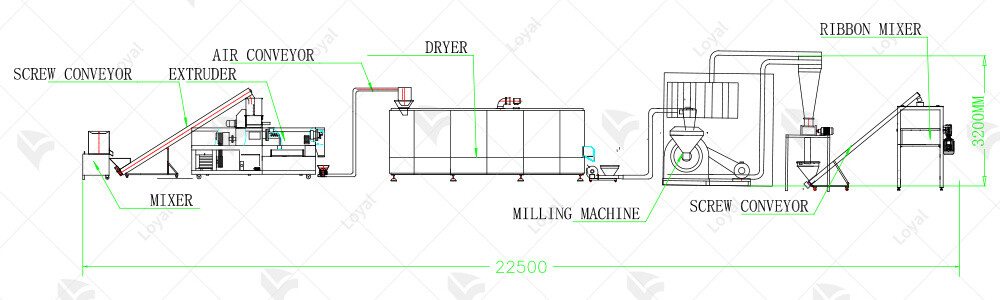
The foundation of any good instant porridge is the quality of its raw materials. This includes selecting high-quality grains, such as oats, rice, or wheat. The grains should be free from contaminants and meet all regulatory standards for food safety. Proper selection ensures the nutritional value and taste of the final product.
Step 2: Cleaning and Sorting
Once the raw materials are selected, they undergo a thorough cleaning and sorting process. This step removes any impurities, such as stones, dust, or other foreign materials. Advanced sorting machines are used to separate the grains based on size and quality, ensuring only the best grains proceed to the next stage.
Step 3: Cooking
The cleaned and sorted grains are then cooked. This step typically involves using high-pressure steam cookers to soften the grains and make them easier to process. Cooking at the right temperature and pressure is crucial to maintaining the nutritional content of the grains while ensuring they are adequately softened.
Step 4: Drying
After cooking, the grains need to be dried to achieve the desired moisture content. This is done using industrial dryers that carefully control the temperature and airflow. Proper drying is essential to prevent spoilage and extend the shelf life of the instant porridge.
Step 5: Milling
The dried grains are then milled into a fine powder. Milling machines grind the grains to a specific consistency, which affects the texture and solubility of the porridge. The milling process must be precise to ensure uniformity in the final product.
Step 6: Mixing and Flavoring
In this step, the milled grains are mixed with other ingredients, such as sweeteners, flavorings, and fortifying nutrients. The mixing process ensures that the flavors are evenly distributed throughout the porridge. Quality control measures are crucial at this stage to maintain the consistency and taste of the product.
Step 7: Packaging
The final step in the production line is packaging. The instant porridge is packed into airtight containers to preserve its freshness and extend its shelf life. Packaging machines are used to ensure that each package is sealed correctly and labeled with the necessary information, including nutritional content and expiration dates.
By following these steps, manufacturers can produce high-quality instant porridge that meets consumer demands and regulatory standards. The keyword 'Introduction' is integral in setting the stage for this detailed guide, providing a comprehensive overview of the process involved in instant porridge production.
Technological Innovations in Instant Porridge Production
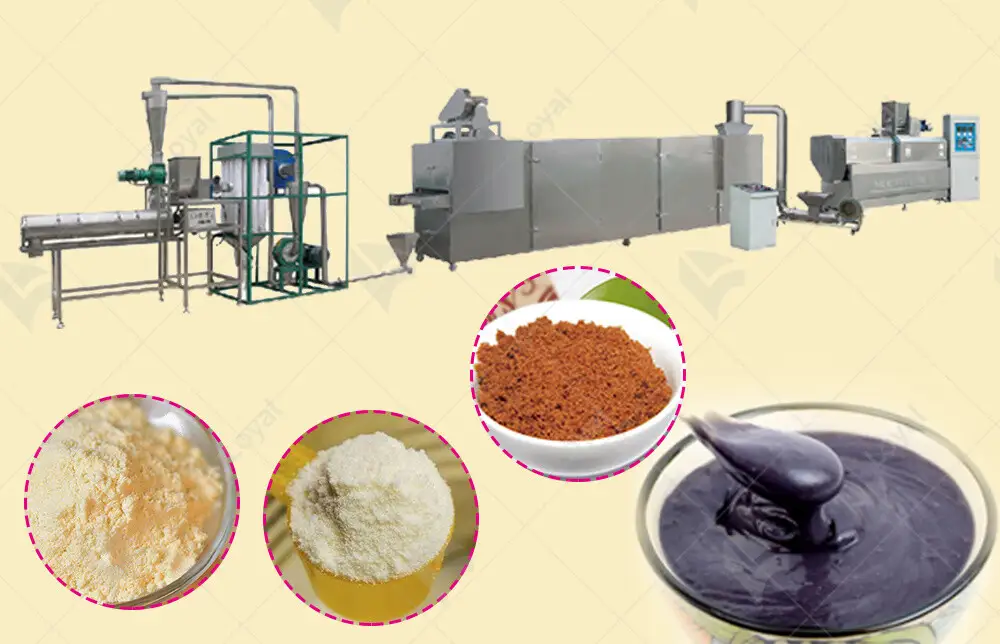
The field of instant porridge production has witnessed remarkable technological innovations that have significantly improved efficiency, quality, and production capacity. As an introduction to the world of instant porridge production lines, it is essential to understand how these advancements have transformed the industry.
Modern instant porridge production lines incorporate state-of-the-art technology, including automated systems and precision engineering, to ensure consistent product quality and high output rates. These innovations are driven by the need to meet increasing consumer demand for convenient, nutritious, and high-quality food products.
One of the key technological innovations in instant porridge production is the use of advanced extrusion technology. This process allows for the precise control of temperature, pressure, and moisture, resulting in a uniform and high-quality product. Additionally, extrusion technology enables the production of porridge with varied textures and flavors, catering to diverse consumer preferences.
Another significant advancement is the integration of smart control systems in production lines. These systems utilize sensors and software to monitor and adjust various parameters in real-time, ensuring optimal performance and minimizing wastage. The implementation of these smart technologies enhances the efficiency and reliability of the production process, reducing downtime and maintenance costs.
Furthermore, innovations in drying and packaging techniques have greatly improved the shelf life and safety of instant porridge products. Modern drying methods, such as vacuum drying and freeze drying, preserve the nutritional value and flavor of the porridge while extending its shelf life. Advanced packaging solutions, including airtight and tamper-evident packaging, ensure the product remains fresh and safe for consumption.
Future Trends in Instant Porridge Production
As the global demand for convenience foods continues to grow, the instant porridge production line is poised for significant advancements. This sector is increasingly influenced by technological innovations and changing consumer preferences. Here's a closer look at the future trends in instant porridge production.
1. Automation and Smart Technologies
The future of instant porridge production lies in automation and the integration of smart technologies. These advancements streamline the production process, enhancing efficiency and reducing human error. Automation allows for precise control over cooking times, temperatures, and ingredient mixing, ensuring consistent product quality. Additionally, smart technologies enable real-time monitoring and data collection, providing valuable insights for optimizing production and maintaining high standards.
2. Sustainable Production Practices
Environmental sustainability is becoming a key consideration in food production. Future trends in instant porridge production will see a shift towards eco-friendly practices. This includes using energy-efficient machinery, reducing water consumption, and minimizing waste. Manufacturers are also likely to adopt biodegradable packaging solutions to align with global sustainability goals. By implementing sustainable practices, companies can not only reduce their environmental footprint but also appeal to environmentally conscious consumers.
3. Health and Nutrition Focus
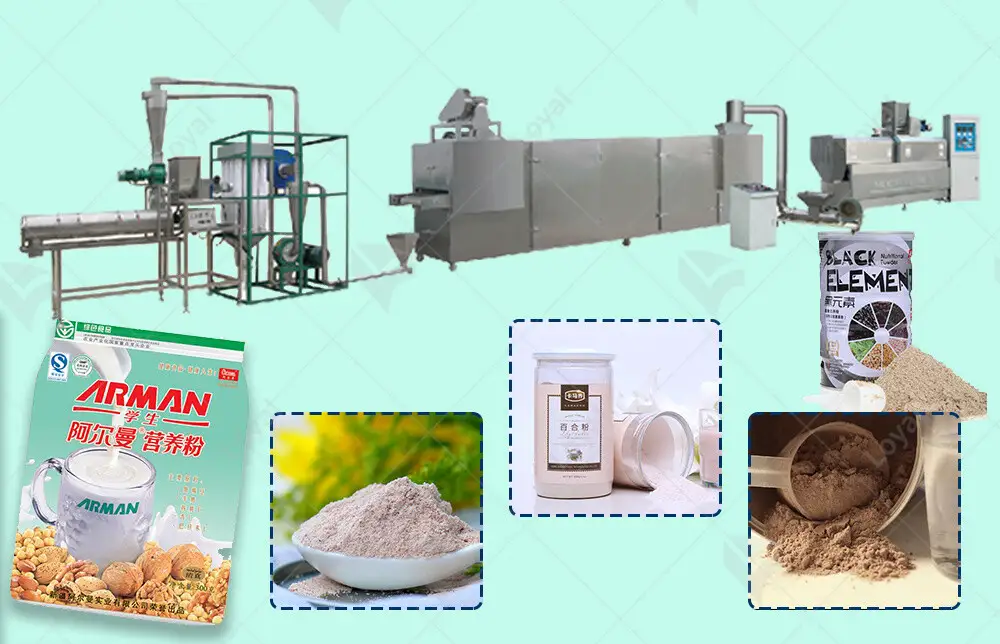
Consumers are increasingly seeking healthier food options, and instant porridge is no exception. Future production lines will focus on developing products with enhanced nutritional profiles, incorporating ingredients like whole grains, superfoods, and probiotics. There will also be a growing emphasis on catering to dietary needs such as gluten-free, low-sugar, and organic options. By prioritizing health and nutrition, manufacturers can meet consumer demands and differentiate their products in a competitive market.
4. Customization and Personalization
Personalization is a rising trend in the food industry, and instant porridge production is set to follow suit. Future production lines will offer greater flexibility to create customized products tailored to individual preferences. This could include varying flavor profiles, ingredient combinations, and packaging sizes. Advanced production technologies will enable manufacturers to efficiently produce small batches, making it feasible to offer personalized options without compromising on efficiency or cost.
5. Enhanced Food Safety and Quality Control
Ensuring food safety and quality is paramount in the instant porridge production line. Future trends will see the implementation of more rigorous safety protocols and quality control measures. This includes the use of advanced detection technologies to identify contaminants and ensure compliance with regulatory standards. Enhanced traceability systems will also play a crucial role, allowing manufacturers to track ingredients from source to shelf, thereby ensuring transparency and consumer trust.

Post-maintenance Guide for Instant Porridge Production Line
1. Thorough Cleaning: After maintenance, it is crucial to thoroughly clean all components of the production line. This prevents contamination and ensures the machinery is ready for the next production cycle. Use appropriate cleaning agents and follow the manufacturer's guidelines for each part.
2. Inspection: Conduct a detailed inspection of all machinery components. Check for any signs of wear, damage, or potential issues that could affect future operations. Pay special attention to moving parts, electrical connections, and any areas prone to buildup.
3. Lubrication: Proper lubrication is vital for the smooth operation of mechanical parts. Apply the recommended lubricants to bearings, gears, and other moving components. Ensure that lubrication points are clean and free of debris before application.
4. Recalibration: Recalibrate sensors and control systems to ensure accurate operation. This includes checking temperature settings, pressure gauges, and other monitoring equipment. Accurate calibration is essential for maintaining product quality and consistency.
5. Documentation: Keep detailed records of all maintenance activities. Document any issues found, repairs made, and parts replaced. This documentation helps in tracking the maintenance history and identifying patterns that could indicate recurring problems.
Effective post-maintenance practices are crucial for the optimal performance of an instant porridge production line. By following these steps, you can ensure that your machinery operates efficiently and reliably, minimizing downtime and maximizing productivity. Regular maintenance and careful attention to detail will help in preserving the quality and longevity of your production line.
Reference
The following are five authoritative foreign literature websites in the field of Industrial food machinery:
1. Food Engineering Magazine
Website: https://www.foodengineeringmag.com/
2.Food Processing Magazine
Website: https://www.foodprocessing.com/
3.Journal of Food Engineering
Website:https://www.journals.elsevier.com/journal-of-food-engineering
4. Food Manufacturing Magazine
Website:https://www.foodmanufacturing.com/
5. International Journal of Food Science & Technology
Website:https://onlinelibrary.wiley.com/