



Unlock The Secret To Baby Product Lines
Introduction
Understanding the intricacies of Baby Product Lines is crucial for anyone venturing into the baby product industry. The baby product market is expansive and diverse, encompassing a wide range of items that cater to the specific needs of infants and toddlers. From baby food to baby care products, each category requires specialized machinery and processes to ensure the highest standards of quality and safety.
The significance of Baby Product Lines lies in their ability to provide parents with reliable and safe products for their children. As the demand for baby products continues to grow globally, manufacturers must stay ahead by utilizing advanced industrial food machinery. This ensures that baby products not only meet stringent safety standards but also maintain consistent quality.
In this comprehensive guide, we will explore the market demand, various types of baby products, and the essential components required to establish a successful baby product line. By delving into the specifics of machinery, quality control, and innovative product development, we aim to unlock the secrets to thriving in the competitive world of baby product manufacturing.

Components of Baby Products
Understanding the essential components of baby products is crucial for manufacturers looking to optimize their Baby Product Lines. Each component plays a vital role in ensuring the safety, nutrition, and appeal of the final product. Here’s a detailed breakdown:
1. Raw Ingredients
The foundation of any baby product lies in the quality of raw ingredients. These include:
Organic fruits and vegetables: Ensuring no pesticides or harmful chemicals.
High-quality grains: Providing essential nutrients like iron and vitamins.
Dairy or plant-based proteins: Catering to different dietary needs and preferences.
2. Formulation and Processing Equipment
To maintain the integrity and nutritional value of baby products, the following equipment is essential:
Blenders and mixers: For uniform consistency and texture.
Pasteurizers: To eliminate harmful bacteria and ensure product safety.
Fillers and sealers: Ensuring airtight packaging to preserve freshness.
3. Packaging Materials
Proper packaging is critical for maintaining the product’s quality and safety:
BPA-free containers: To avoid chemical leaching into the food.
Tamper-evident seals: Ensuring product integrity from production to consumption.
Eco-friendly materials: Reducing environmental impact and appealing to eco-conscious consumers.
4. Quality Control Systems
Rigorous quality control measures ensure that each product meets safety and nutritional standards:
Automated inspection systems: For detecting foreign objects and ensuring proper labeling.
Nutritional analysis tools: To verify the correct nutrient content.
Traceability systems: Tracking each batch from raw material to finished product to quickly address any issues.
5. Regulatory Compliance
Adhering to local and international regulations is non-negotiable in the baby food industry:
FDA guidelines: For safe production practices and ingredient use.
EU standards: Ensuring compliance with stringent safety and quality measures.
Labeling requirements: Providing clear, accurate information to consumers.

Benefits of Using Baby Product Lines
Benefit | Description |
| Consistent Quality | Baby Product Linesensure uniformity in product quality, reducing the risk of contamination and maintaining high standards across batches. Automated systems and precise machinery contribute to consistent texture, flavor, and nutritional content. |
| Increased Efficiency | Utilizing advanced Baby Product Linesmachinery optimizes production speed and efficiency. This leads to higher output rates, reduced downtime, and lower operational costs, enabling manufacturers to meet market demand effectively. |
| Enhanced Safety | Modern Baby Product Linesincorporate cutting-edge safety features such as automated monitoring systems, contamination detection, and hygienic design. These features help in maintaining the safety and integrity of baby products, ensuring they are free from harmful pathogens. |
| Cost Savings | Investing in efficient Baby Product Linescan lead to significant cost savings over time. Automated processes reduce labor costs, minimize waste, and improve resource utilization, resulting in a more economical production process. |
| Scalability | Baby Product Linesare designed to be easily scalable, allowing manufacturers to increase production capacity in response to market demands. This flexibility ensures that companies can grow their operations without compromising on quality or efficiency. |
| Compliance with Regulations | Advanced Baby Product Lineshelp manufacturers adhere to stringent industry regulations and standards. These lines are equipped with features that ensure compliance with health, safety, and quality guidelines, simplifying the regulatory approval process. |
| Improved Traceability | Modern Baby Product Linesinclude traceability systems that track products from raw materials to the finished goods. This enhances accountability, allows for quick responses to any issues, and builds consumer trust in the brand. |
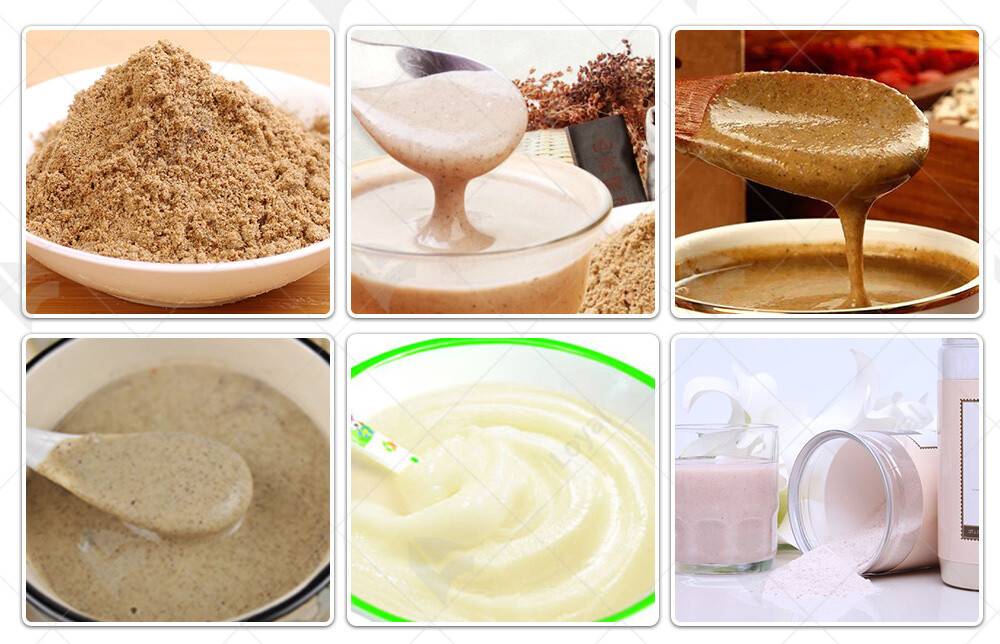
Work Principle of a Baby Product Line
Understanding the work principle of a baby product line is crucial for anyone involved in the industrial food machinery sector. This involves a series of steps and machinery designed to ensure the safe, efficient, and hygienic production of baby food products. Below, we delve into the primary components and their functions within a baby product line.
1. Raw Material Handling:
The process begins with the handling and preparation of raw materials. High-quality ingredients are essential for producing safe baby food. Automated raw material handling systems ensure that ingredients are stored, measured, and conveyed without contamination. This step is vital for maintaining the quality and safety of the final product.
2. Mixing and Blending:
Once the raw materials are prepared, they are transferred to mixing and blending machines. These machines combine ingredients into a uniform mixture, which is critical for ensuring consistent quality in each batch. Advanced blending technology minimizes the risk of ingredient separation and guarantees a homogeneous product.
3. Cooking and Pasteurization:
Cooking and pasteurization are key stages in a baby product line. These processes not only cook the food but also eliminate harmful bacteria, ensuring the product is safe for consumption. Continuous cooking systems and pasteurizers are commonly used, offering precise temperature control and consistent results.
4. Homogenization:
Homogenization is essential for creating smooth textures in baby food products. This process breaks down fat molecules and distributes them evenly throughout the mixture, resulting in a uniform consistency. High-pressure homogenizers are typically employed to achieve the desired texture and quality.
5. Filling and Packaging:
The final stages involve filling and packaging the product. Automated filling machines ensure accurate portioning and minimize waste. Packaging is equally critical, as it protects the product from contamination and extends its shelf life. Advanced packaging machinery provides airtight sealing, labeling, and coding to meet regulatory standards.
6. Quality Control:
Throughout the entire production process, stringent quality control measures are in place. This includes regular sampling, testing, and monitoring to ensure that every product meets safety and quality standards. Modern quality control systems incorporate advanced technologies like X-ray and metal detection to identify and eliminate any potential contaminants.

Technological Advancements in Baby Product Lines
In the realm of baby product lines, technological advancements have revolutionized the way industrial food machinery operates. This section explores key innovations that have enhanced efficiency, safety, and product quality in the production of baby food products.
1. Automated Raw Material Handling Systems:
One of the notable advancements in baby product lines is the introduction of sophisticated automated raw material handling systems. These systems are equipped with sensors and precision controls to manage the intake, storage, and measurement of raw ingredients. By automating these processes, manufacturers can ensure consistency in ingredient quality and reduce the risk of contamination.
2. Precision Mixing and Blending Technologies:
Modern mixing and blending technologies have evolved to meet the stringent requirements of baby food production. These technologies utilize advanced algorithms and controls to achieve precise mixing ratios and homogenous blends. By maintaining uniformity in ingredient distribution, these advancements ensure that each batch of baby food meets nutritional standards and sensory expectations.
3. Enhanced Cooking and Pasteurization Techniques:
Advancements in cooking and pasteurization techniques have significantly improved the safety and shelf life of baby food products. Innovations such as continuous cooking systems and state-of-the-art pasteurizers enable manufacturers to achieve precise temperature profiles and microbial reduction. This ensures that baby food products are not only safe for consumption but also retain their nutritional value and flavor.
4. High-Pressure Homogenization Systems:
High-pressure homogenization systems play a crucial role in achieving the desired texture and consistency of baby food products. These systems use intense pressure to break down particle sizes and distribute fat molecules evenly throughout the mixture. By creating smooth textures and preventing ingredient separation, manufacturers can produce baby food products that are palatable and easy to consume.
5. Automated Filling and Packaging Solutions:
Automation has revolutionized the filling and packaging stages of baby product lines. Advanced filling machines equipped with precise dosing mechanisms ensure accurate portioning and minimize product waste. Additionally, automated packaging solutions offer airtight sealing, labeling, and coding capabilities to maintain product integrity and compliance with regulatory standards.
6. Integration of Advanced Quality Control Systems:
The integration of advanced quality control systems has become indispensable in ensuring the safety and consistency of baby food products. Technologies such as X-ray inspection and metal detection systems enable manufacturers to detect and eliminate contaminants that may compromise product quality. Real-time monitoring and data analytics further enhance quality assurance efforts, allowing for proactive measures to maintain high standards.
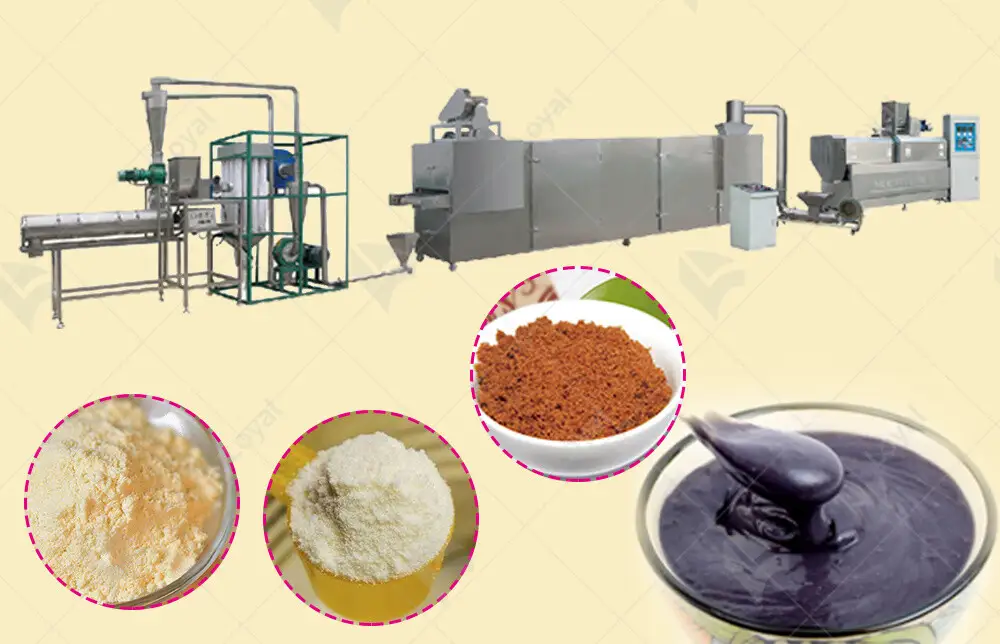
Setting Up a Baby Product Line
Setting up a baby product line requires meticulous planning and understanding of industrial food machinery. Whether you're launching a new line or expanding your current operations, the process involves several crucial steps to ensure efficiency and quality.
Key Elements of Setting Up a Baby Product Line
1. Research and Planning:
Before diving into the setup, thorough research is essential. Understand market trends, consumer preferences, and regulatory requirements. Identify the specific types of baby products you intend to manufacture, such as powdered formulas, baby cereals, or pureed foods.
2. Selecting the Right Machinery:
Choosing suitable industrial food machinery is paramount. For baby product lines, equipment must meet stringent hygiene standards and ensure gentle processing to preserve nutritional integrity. Key machines include:
Powder Mixers: To blend ingredients uniformly without clumping.
Pasteurizers: Ensuring products are free from harmful bacteria.
Packaging Machines: To seal products securely and maintain freshness.
3. Ensuring Safety and Quality:
Compliance with safety regulations is non-negotiable in baby food production. Implement Hazard Analysis Critical Control Point (HACCP) principles to identify and mitigate potential hazards at every stage of production. Regular equipment maintenance and sanitation schedules are crucial to prevent contamination.
4. Optimizing Production Efficiency:
Streamline production processes to maximize output without compromising quality. Implement lean manufacturing principles and invest in automation where feasible to reduce labor costs and increase throughput. Continuous monitoring and data-driven decision-making are essential for operational efficiency.
5. Testing and Certification:
Before launching your baby product line, conduct rigorous testing for product safety, nutritional content, and shelf-life stability. Seek certifications from reputable organizations that validate adherence to industry standards and reassure consumers of product quality.
Challenges and Solutions
In the realm of industrial food machinery, developing efficient baby product lines presents unique challenges that demand innovative solutions. Here, we explore the critical hurdles faced in this specialized sector and unveil the expert strategies to overcome them.
Key Challenges in Baby Product Lines:
1. Precision in Ingredient Mixing: Baby food production necessitates meticulous control over ingredient proportions to ensure nutritional consistency and safety.
2. Hygienic Standards: Maintaining impeccable hygiene throughout the production process is paramount to prevent contamination and ensure product purity.
3. Packaging Considerations: Packaging for baby products must not only meet regulatory standards but also be user-friendly and environmentally sustainable.
Expert Solutions to These Challenges:
1. Advanced Mixing Technology: Implementing state-of-the-art mixing machinery equipped with precision sensors and automated controls ensures accurate blending of ingredients.
2. Sanitary Design Principles: Incorporating hygienic design features in equipment, such as smooth surfaces and easy-to-clean components, minimizes the risk of bacterial growth and facilitates thorough sanitation routines.
3. Innovative Packaging Solutions: Utilizing eco-friendly materials and designing packaging formats that maintain product freshness while being easy to use meets both regulatory requirements and consumer expectations.
Future of Baby Product Lines
As we look ahead to the future of baby product lines, advancements in industrial food machinery play a pivotal role in shaping innovation and quality within this specialized sector. Manufacturers are increasingly focusing on enhancing production efficiency while maintaining the highest standards of safety and nutritional integrity.
Key Trends Shaping the Future of Baby Product Lines
1. Technological Advancements:
The future of baby product lines will witness the integration of cutting-edge technologies into manufacturing processes. Automated systems and smart machinery will streamline production, reduce human error, and ensure consistency in product quality. Machinery equipped with IoT capabilities will enable real-time monitoring of production metrics and predictive maintenance, optimizing operational efficiency.
2. Sustainable Practices:
Sustainability is becoming a cornerstone of modern manufacturing practices, including baby product lines. From biodegradable packaging materials to energy-efficient machinery, manufacturers are adopting eco-friendly solutions to minimize environmental impact. This shift not only meets consumer demand for sustainable products but also aligns with regulatory requirements for responsible production practices.
3. Personalization and Customization:
Consumer preferences are increasingly leaning towards personalized nutrition for infants and toddlers. Industrial food machinery capable of flexible production lines allows manufacturers to customize formulations and portion sizes according to varying dietary needs and preferences. This trend not only enhances consumer satisfaction but also fosters brand loyalty in a competitive market.
4. Quality Assurance and Safety Standards:
Maintaining stringent quality assurance and safety standards remains non-negotiable in the production of baby food products. Advanced machinery ensures hygienic processing conditions, minimizing the risk of contamination and preserving the nutritional content of sensitive ingredients. Continuous advancements in sterilization techniques and packaging technology further enhance product shelf-life and safety.
5. Regulatory Compliance and Certification:
Adherence to regulatory requirements continues to be a cornerstone of credibility in the baby product industry. Manufacturers must stay updated with evolving regulations regarding ingredient labeling, allergen control, and nutritional claims. Obtaining certifications from recognized authorities demonstrates commitment to consumer safety and product transparency.

References
The following are five authoritative foreign literature websites on industrial Nutritional Powder production:
1.PubMed
Website: [https://pubmed.ncbi.nlm.nih.gov/]
2.Journal of Food Engineering
Website: [https://www.journals.elsevier.com/journal-of-food-engineering]
3.SpringerLink
Website: [https://link.springer.com/]
4.ScienceDirect
Website: [https://www.sciencedirect.com/]
5.Food Processing Technology
Website: [https://www.foodprocessing-technology.com]