



The Ultimate Guide To Baby Rice Powder Process Line Updated 2024
Introduction
The production of baby rice powder is a critical segment in the baby food industry, offering essential nutrition for infants. As a result, the baby rice powder process line has become increasingly significant in meeting the growing demand for high-quality and safe baby food products. This guide provides an updated overview of the baby rice powder process line for 2024, highlighting the latest advancements and best practices in the industry.
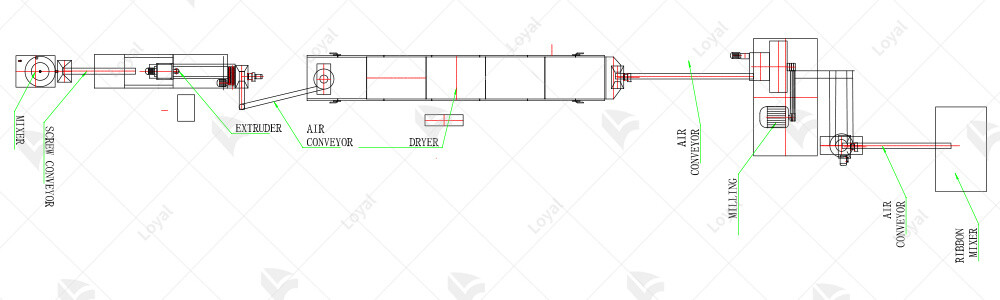
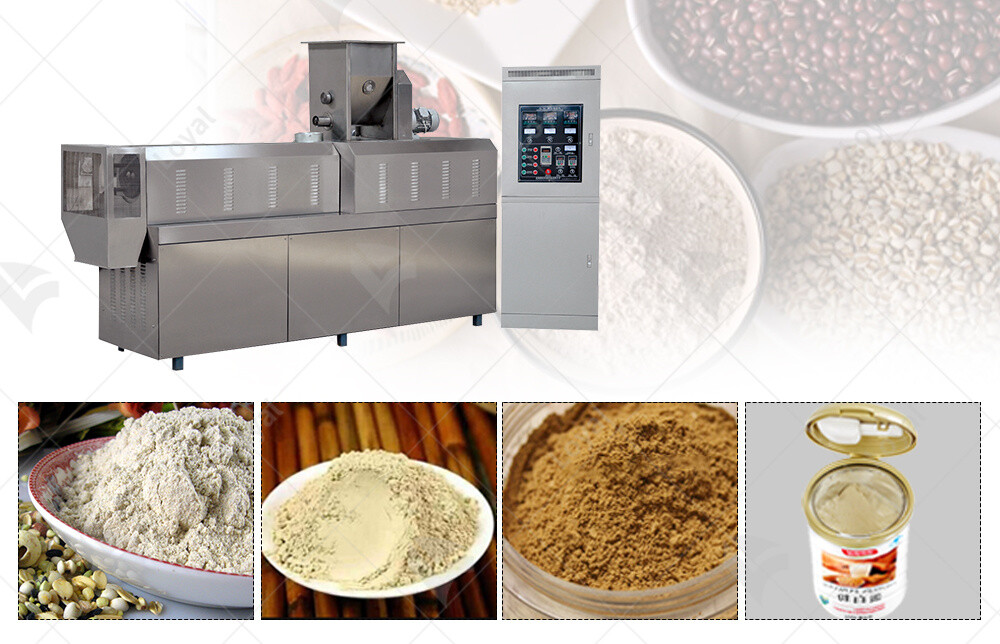
A baby rice powder process line typically involves several stages, including rice cleaning, soaking, cooking, drying, milling, and packaging. Each stage requires precision and efficiency to ensure the final product meets the stringent standards of baby food safety and nutrition. Modern baby rice powder process lines are equipped with advanced machinery that optimizes each step, ensuring consistency and quality.
Investing in a reliable baby rice powder process line is crucial for manufacturers aiming to produce top-tier baby food products. With technological advancements in 2024, these process lines have become more efficient, automated, and capable of producing higher volumes while maintaining the highest standards of hygiene and quality. This guide will delve into the key components, features, and benefits of the latest baby rice powder process lines, providing valuable insights for manufacturers in the industry.
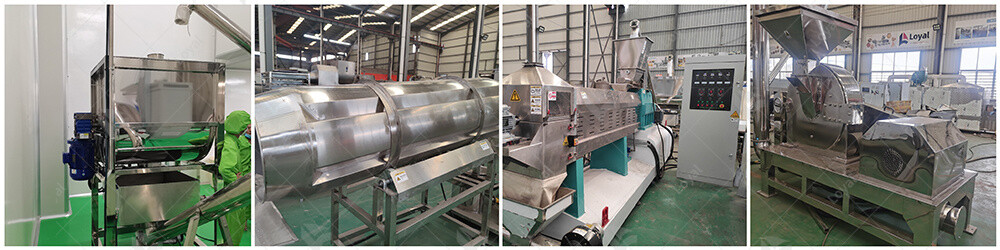
Key Components of a Baby Rice Powder Process Line
1. Raw Material Handling System
The initial step in the baby rice powder process line involves the raw material handling system. This system ensures the rice is cleaned, sorted, and stored properly. High-quality stainless steel hoppers, conveyors, and magnetic separators are used to maintain hygiene and prevent contamination. The efficiency of this system directly impacts the quality of the final product.
2. Rice Milling Machine
The rice milling machine is a crucial component in the baby rice powder process line. It is responsible for grinding the rice into fine powder. Advanced milling machines are equipped with precision grinding technology to achieve the desired particle size. This step is essential to ensure the rice powder is smooth and easy for babies to digest.
3. Mixing and Blending Equipment
After milling, the rice powder is transferred to the mixing and blending equipment. This stage involves mixing the rice powder with other essential nutrients and additives to enhance its nutritional value. The mixing process must be thorough and uniform to ensure consistency in the final product. High-speed mixers and blenders are used for this purpose.
4. Drying System
The drying system is designed to remove excess moisture from the rice powder, ensuring a long shelf life. This step involves using advanced drying techniques such as spray drying or freeze drying. The drying process must be carefully controlled to preserve the nutritional integrity of the rice powder.
5. Packaging Machine
The final component of the baby rice powder process line is the packaging machine. This machine ensures the rice powder is packed in hygienic, airtight containers to prevent contamination and extend shelf life. Automated packaging machines with precise filling and sealing capabilities are preferred to maintain product quality.
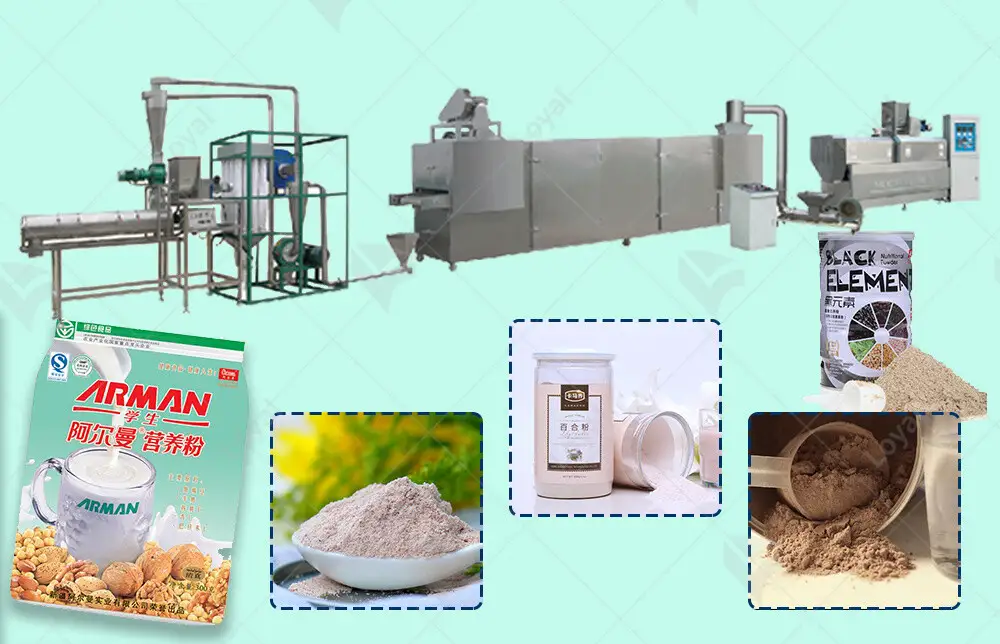
Advantages of baby rice cereal production line
| Advantage | Description |
| High Efficiency | The baby rice powder process line offers high efficiency, ensuring a streamlined and fast production process that meets industrial standards. |
| Consistency in Quality | This process line guarantees uniform quality in every batch, essential for maintaining the high standards expected in baby food production. |
| Automated Operation | The production line is highly automated, reducing the need for manual intervention and minimizing the risk of human error, thus enhancing overall productivity. |
| Nutrient Retention | The process is designed to retain maximum nutrients in the rice powder, which is crucial for baby food products. |
| Cost-Effective | By optimizing the production process, the baby rice powder process line helps in reducing operational costs, making it a cost-effective solution for manufacturers. |
| Scalability | The production line is scalable, allowing manufacturers to increase production capacity in response to market demand without compromising on quality. |
| Hygienic Processing | The design of the baby rice powder process line ensures hygienic processing, meeting stringent health and safety standards essential for baby food manufacturing. |
| Energy Efficient | The machinery used in this process line is energy-efficient, reducing the overall energy consumption and contributing to sustainable production practices. |
Technological Advancements
In recent years, technological advancements in the baby rice powder process line have significantly enhanced production efficiency and product quality. The integration of cutting-edge automation and control systems has streamlined operations, reducing human error and ensuring consistent output. These systems provide real-time monitoring and adjustments, allowing for precise control over critical parameters such as temperature, moisture, and mixing times.
Moreover, the development of advanced milling and grinding technologies has improved the texture and nutritional profile of baby rice powder. High-speed, precision grinders now deliver finer and more uniform particle sizes, which are essential for the smooth consistency required in baby food products. Enhanced sifting mechanisms ensure that only the finest particles pass through, eliminating any coarse residues.
Another notable advancement is the implementation of improved sterilization techniques. Modern baby rice powder process lines utilize state-of-the-art sterilizers that use steam or radiation to eliminate any potential contaminants, ensuring the safety and hygiene of the final product. This is particularly crucial in baby food production, where stringent safety standards must be met.
The adoption of energy-efficient technologies has also been a key focus. Newer equipment designs incorporate energy-saving features that reduce power consumption without compromising performance. This not only lowers operational costs but also supports sustainability initiatives within the industry.
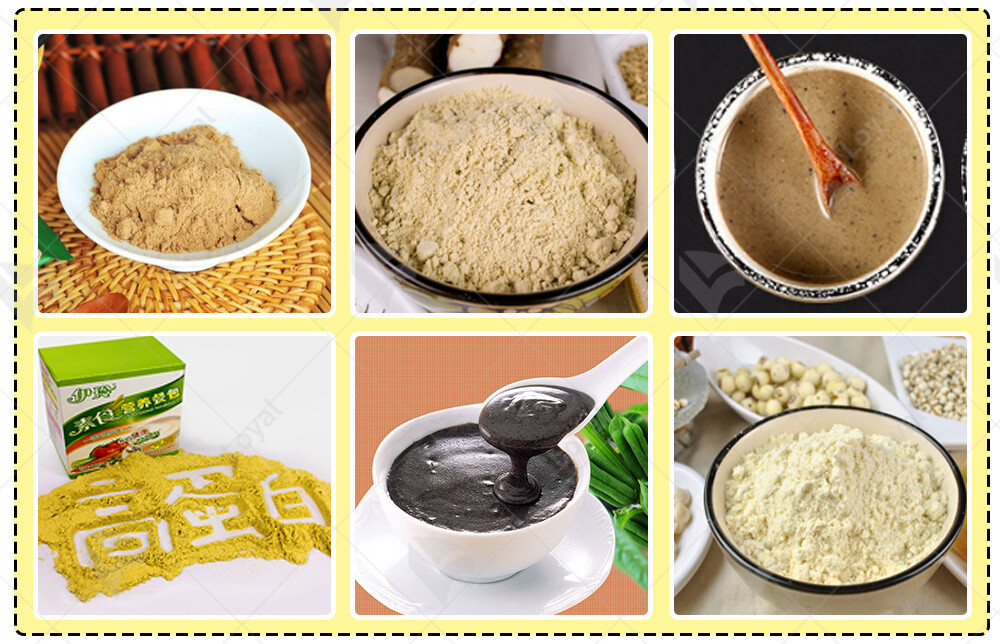
Routine Maintenance Procedures for Baby Rice Powder Process Line
Maintaining a baby rice powder process line is crucial for ensuring consistent production quality and operational efficiency. Proper routine maintenance procedures not only prolong the lifespan of the equipment but also minimize downtime and enhance safety standards in food processing facilities.
1. Cleaning and Sanitization
Regular cleaning is essential to prevent cross-contamination and ensure product safety. Here’s a step-by-step guide to cleaning your baby rice powder process line:
Daily Cleaning: Wipe down all surfaces with food-grade sanitizers to remove any residue or particles.
Weekly Deep Cleaning: Disassemble components such as hoppers, conveyors, and screens for thorough cleaning. Use hot water and detergents suitable for food processing equipment.
2. Inspection of Components
Regular inspections help identify potential issues before they escalate into costly repairs or downtime. Key components to inspect include:
Conveyor Belts: Check for wear and tear, proper tension, and alignment.
Sieves and Screens: Inspect for damage, blockages, and proper mesh size.
Motors and Drives: Ensure lubrication levels are adequate and check for unusual noises or vibrations.
3. Lubrication and Greasing
Proper lubrication of moving parts is essential to prevent friction-related failures. Follow manufacturer recommendations for lubricant type and application intervals. Focus areas include:
Bearings and Rollers: Apply grease according to manufacturer specifications to ensure smooth operation.
Chain Drives: Lubricate chains to prevent wear and maintain efficiency.
4. Calibration of Equipment
Maintain accuracy in product quality and consistency through regular calibration of measuring devices and sensors. This includes:
Weighing Scales: Calibrate scales to ensure accurate measurement of ingredients.
Temperature Sensors: Verify temperature accuracy to control cooking and drying processes effectively.
5. Electrical System Checks
Electrical components play a critical role in the operation of the baby rice powder process line. Perform routine checks such as:
Wiring and Connections:** Inspect for signs of wear, corrosion, or loose connections.
Safety Switches: Test emergency stop buttons and safety interlocks to ensure they function correctly.
By implementing these routine maintenance procedures, operators can enhance the reliability and longevity of their baby rice powder process line. Regular cleaning, inspection of components, proper lubrication, calibration, and electrical system checks are essential practices in ensuring optimal performance and adherence to food safety standards.
Common Issues and Troubleshooting Tips
When operating a baby rice powder process line, ensuring smooth production is essential for meeting high-quality standards. Here are some common issues that may arise and effective troubleshooting tips:
1. Inconsistent Product Quality:
- Issue: Variations in texture or moisture content in the final product.
- Troubleshooting: Check the calibration of the moisture control system. Ensure consistent temperature and humidity levels throughout the production process. Regularly inspect and maintain grinding and mixing equipment to prevent uneven processing.
2. Equipment Jamming or Clogging:
- Issue: Machinery, such as the grinding or packaging units, frequently jams or clogs during operation.
- Troubleshooting: Conduct regular cleaning and maintenance of all equipment parts. Verify the proper adjustment of feed rates and monitor the condition of conveyor belts and augers. Implement a systematic cleaning schedule to prevent buildup of rice powder residues.
3. Power Fluctuations and Equipment Failure:
- Issue: Unexpected power surges or fluctuations leading to equipment malfunction.
- Troubleshooting: Install voltage stabilizers or surge protectors to regulate electrical supply. Conduct routine inspections of electrical components and wiring connections. Keep backup power sources ready in case of power outage to minimize downtime.
4. Cross-Contamination Concerns:
- Issue: Risk of allergen cross-contamination in the production line.
- Troubleshooting: Implement strict cleaning protocols between batches, especially when processing allergen-sensitive products. Use dedicated equipment or ensure thorough sanitation of shared equipment to prevent allergen transfer. Train staff on proper cleaning procedures and allergen handling protocols.
5. Inefficient Packaging and Sealing:
- Issue: Packaging defects like improper sealing or inconsistent package weight.
- Troubleshooting: Calibrate and maintain sealing equipment regularly. Monitor packaging material quality and adjust settings for optimal sealing integrity. Conduct periodic checks on fill levels and weight accuracy to meet regulatory standards.
Ensuring the smooth operation of a baby rice powder process line requires proactive maintenance, adherence to hygiene standards, and swift troubleshooting of common issues. By addressing these challenges promptly, manufacturers can uphold product quality, optimize production efficiency, and maintain consumer trust in their products.
Sustainability and Environmental Impact
When considering the implementation of a baby rice powder process line in 2024, sustainability and minimizing environmental impact are crucial factors to address. This guide explores key considerations and strategies for ensuring responsible manufacturing practices in the production of baby rice powder.
Environmental Concerns in Manufacturing
The manufacturing process of baby rice powder involves several stages, from raw material sourcing to packaging. Each step can impact the environment through resource consumption, waste generation, and emissions. It's essential for manufacturers to adopt practices that mitigate these impacts while maintaining product quality and safety.
Energy Efficiency Measures
One of the primary concerns in manufacturing is energy consumption. Optimizing energy use through efficient machinery and production processes can significantly reduce carbon footprints. Modern baby rice powder process lines often integrate energy-saving technologies such as efficient motors, heat recovery systems, and automated controls to minimize energy waste.
Sustainable Sourcing of Raw Materials
The sustainability of baby rice powder begins with the sourcing of raw materials. Manufacturers are increasingly opting for responsibly sourced ingredients that adhere to environmental standards and support local communities. Certifications such as organic or fair-trade play a vital role in ensuring ethical and sustainable sourcing practices.
Waste Reduction and Recycling
Another critical aspect of sustainable manufacturing is waste reduction and recycling. By implementing waste management strategies, such as recycling packaging materials and optimizing production to minimize scrap, manufacturers can reduce landfill waste and lower overall environmental impact.
Water Conservation
Water usage is another area where manufacturers can make significant strides in sustainability. Implementing water-saving technologies and processes, such as closed-loop systems and water recycling, can minimize water consumption and discharge, thereby conserving this precious resource.
Regulatory Compliance and Certification
Meeting regulatory standards and obtaining certifications related to environmental sustainability is essential for demonstrating commitment and credibility. Compliance with local and international environmental regulations ensures that manufacturing practices meet legal requirements and uphold environmental stewardship principles.
Regulatory Compliance and Safety Standards
When considering a baby rice powder process line, regulatory compliance and safety standards are paramount. Manufacturers must adhere to stringent guidelines to ensure the safety and quality of the final product. Here's a comprehensive look at the regulatory landscape and safety standards that govern this specialized machinery.
Regulatory Framework
The production of baby food involves strict regulatory oversight to safeguard infant health. Machinery used in processing baby rice powder must meet international standards such as ISO 22000 for food safety management and ISO 9001 for quality management systems. These certifications ensure that manufacturers implement rigorous processes to prevent contamination and maintain hygiene throughout production.
In addition to international standards, specific regulations vary by region. For instance, the European Union requires compliance with EU Regulation 852/2004 on hygiene of foodstuffs and Regulation (EC) 1935/2004 concerning materials and articles intended to come into contact with food. Similarly, in the United States, manufacturers must follow guidelines set by the Food and Drug Administration (FDA) under the Food Safety Modernization Act (FSMA), which emphasizes preventive controls and risk-based approaches to food safety.
Safety Protocols
Operating a baby rice powder process line involves inherent risks that must be mitigated through robust safety protocols. Machinery should be equipped with safety features such as emergency stop buttons, protective guards, and fail-safe mechanisms to prevent accidents. Regular maintenance and inspections are essential to ensure equipment reliability and safe operation.
Moreover, personnel handling the machinery must receive adequate training on safety procedures and hygiene practices. This includes proper sanitation of equipment and adherence to personal protective equipment (PPE) guidelines to minimize contamination risks.
Quality Assurance
Quality assurance is integral to the production of baby rice powder. Manufacturers implement comprehensive quality control measures at every stage of the process line, from raw material intake to packaging. This includes conducting regular tests for microbiological and chemical contaminants to guarantee product safety.
Modern process lines often incorporate advanced technology for precise ingredient dosing, mixing, and packaging, ensuring consistent product quality. Automated systems streamline operations while reducing the risk of human error, thereby enhancing overall efficiency and compliance with quality standards.
Reference
The following are five authoritative foreign literature websites in the field of Industrial food machinery:
1. Food Engineering Magazine
Website: https://www.foodengineeringmag.com/
2.Food Processing Magazine
Website: https://www.foodprocessing.com/
3.Journal of Food Engineering
Website:https://www.journals.elsevier.com/journal-of-food-engineering
4. Food Manufacturing Magazine
Website:https://www.foodmanufacturing.com/
5. International Journal of Food Science & Technology
Website:https://onlinelibrary.wiley.com/