



The Ultimate Guide to baby food packaging in 2024
Introduction to Fully Automatic Systems in Baby Food Packaging
In the dynamic landscape of food packaging, especially in the realm of baby food, the adoption of fully automatic systems marks a significant leap forward in efficiency and reliability. These advanced systems are engineered to streamline every stage of the packaging process, leveraging cutting-edge technologies to ensure precision and consistency.
For manufacturers, the transition to fully automatic systems represents a strategic investment aimed at enhancing operational efficiency while maintaining the highest standards of product safety and quality. By automating tasks such as filling, sealing, and labeling, these systems minimize human intervention, thereby reducing the potential for errors and contamination risks.
The significance of fully automatic systems in baby food packagingextends beyond productivity gains. These systems are designed to meet stringent regulatory requirements and consumer expectations for safety and hygiene. With automated processes, manufacturers can achieve a higher degree of control over packaging variables, ensuring that each product is packaged reliably and uniformly.
Moreover, the integration of IoT (Internet of Things) technologies enables real-time monitoring and data-driven decision-making. Sensors embedded within the machinery provide insights into operational performance, allowing for proactive maintenance and optimization of production schedules. This connectivity fosters a responsive manufacturing environment where adjustments can be made swiftly to meet fluctuating market demands.

Overview of the Importance of Efficient Packaging in the Baby Food Industry
Efficient packaging in the baby food industry is paramount, encompassing not only the preservation of product freshness and quality but also compliance with stringent safety standards. As parents increasingly prioritize nutritional value and safety in the foods they provide their infants, manufacturers must ensure that packaging plays a crucial role in maintaining these qualities.
Fully automatic systems have emerged as a game-changer in this regard, offering a systematic approach to packaging that minimizes human error and maximizes efficiency. These systems are designed to handle a variety of packaging tasks seamlessly, from filling containers with precise quantities of baby food to sealing them securely to prevent contamination and preserve freshness.
The significance of efficient packaging extends beyond operational efficiency. It directly impacts consumer trust and satisfaction by ensuring that each package of baby food meets regulatory requirements and quality expectations consistently. By automating the packaging process, manufacturers can achieve uniformity in product presentation and reduce variability, thereby enhancing brand reputation and customer loyalty.
Moreover, efficient packaging plays a crucial role in reducing waste and optimizing resource utilization. Fully automatic systems are engineered to minimize material usage and energy consumption while maximizing throughput, contributing to sustainable practices within the industry. This sustainability aspect is increasingly important as consumers demand transparency and eco-friendly practices from food manufacturers.

Reduction in Labor Costs and Human Error
Fully automatic systems have revolutionized the baby food packagingindustry by significantly reducing labor costs and minimizing human error. These systems are designed to automate repetitive tasks that were traditionally performed manually, such as filling containers, applying seals, and labeling products.
By eliminating the need for extensive human intervention, manufacturers can streamline their operations and achieve higher levels of consistency in packaging. This not only improves overall efficiency but also enhances product quality and safety. Human error, which can lead to inconsistencies in packaging or labeling mistakes, is greatly reduced through automation, ensuring that each package meets the exact specifications required.
Furthermore, the reduction in labor costs associated with fully automatic systems is substantial. Once installed and properly maintained, these systems operate efficiently with minimal human supervision, allowing manufacturers to allocate labor resources to other critical areas of production or quality control. This efficiency not only improves productivity but also reduces the likelihood of labor-related disruptions, ensuring continuous operation and timely delivery of products to market.
From a financial perspective, the investment in fully automatic systems proves advantageous over time, as the initial costs are offset by long-term savings in labor and operational efficiency. Manufacturers can achieve economies of scale by increasing throughput without proportionally increasing labor costs, thereby improving profitability and competitiveness in the marketplace.
Moreover, automation enhances workplace safety by reducing the physical strain associated with manual packaging tasks. Employees are less exposed to repetitive motion injuries or accidents related to handling heavy materials, contributing to a safer and more ergonomic work environment.
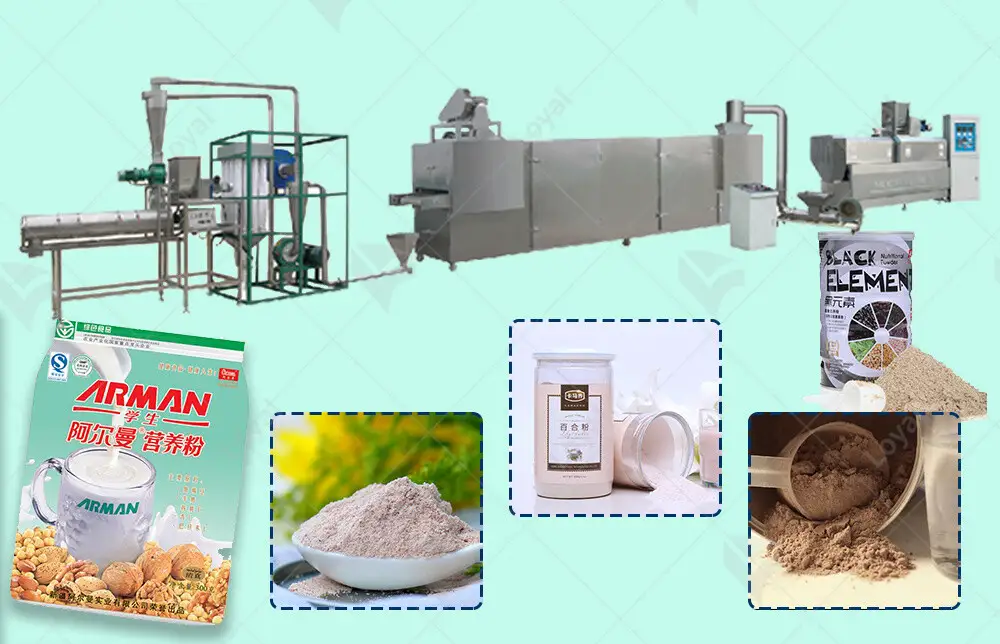
Technologies and Innovations in Fully Automatic Baby Food Packaging Systems
In recent years, advancements in technology have transformed the landscape of baby food packaging, with fully automatic systems leading the charge in efficiency and innovation. These systems integrate cutting-edge technologies to streamline the packaging process and ensure optimal outcomes in terms of safety, quality, and efficiency.
Advanced Filling Mechanisms | Fully automatic baby food packaging systems utilize advanced filling mechanisms that are designed for precision and consistency. These mechanisms can accurately measure and dispense the exact amount of baby food into each package, minimizing wastage and maximizing product yield. By automating this critical step, manufacturers can achieve uniformity in portion sizes and enhance overall product presentation. |
Sealing and Closure Solutions | The sealing and closure of baby food packages are crucial to maintaining product freshness and safety. Fully automatic systems incorporate innovative sealing technologies, such as heat sealing or vacuum sealing, to create a secure barrier against contaminants and oxygen. These technologies not only prolong shelf life but also prevent leaks and spills, ensuring that each package reaches consumers in optimal condition. |
Labeling and Coding Automation | Ensuring accurate labeling and coding on baby food packages is essential for regulatory compliance and consumer information. Automatic labeling systems integrated into fully automatic packaging lines can apply labels with precision, including batch numbers, expiration dates, nutritional information, and barcodes. This automation reduces the risk of labeling errors and enhances traceability throughout the supply chain. |
Quality Control Sensors | Modern fully automatic packaging systems are equipped with advanced sensors that monitor various parameters during the packaging process. These sensors can detect anomalies such as package defects, improper seals, or irregular product flow. Real-time feedback from these sensors allows operators to make immediate adjustments, ensuring consistent product quality and minimizing production downtime. |
Integration with Industry 4.0 | The concept of Industry 4.0 has revolutionized manufacturing, including the food packaging sector. Fully automatic baby food packaging systems are increasingly integrated with digital technologies and data analytics. This integration enables remote monitoring of production metrics, predictive maintenance scheduling, and optimization of operational efficiency. Manufacturers can leverage data insights to make informed decisions that enhance productivity and reduce costs. |

Analysis of Measurable Improvements in Production Efficiency and Cost Savings
Fully automatic systems have revolutionized the baby food packaging industry, offering significant improvements in both production efficiency and cost savings. This transformation is driven by several key factors that contribute to measurable enhancements in operational performance.
1.Streamlined Production Processes: Fully automatic baby food packaging systems are designed to streamline production processes by automating various stages of packaging. From filling and sealing to labeling and quality control, these systems integrate advanced technologies to perform tasks with greater speed and precision than manual operations. As a result, manufacturers can achieve higher throughput rates, reducing the time required to package each batch of baby food.
2.Reduction in Labor Costs: One of the most significant advantages of fully automatic systems is the reduction in labor costs. By automating repetitive and labor-intensive tasks, manufacturers can minimize their reliance on manual labor. This not only cuts down on labor expenses but also reduces the risk of human error, leading to more consistent and reliable packaging quality. Additionally, the reallocation of labor resources to more strategic roles can enhance overall operational efficiency.
3.Minimized Material Waste: Fully automatic baby food packaging systems are equipped with precise measuring and dispensing mechanisms that ensure the accurate filling of each package. This precision minimizes material waste by preventing overfilling or underfilling, which can result in product loss or the need for rework. By optimizing the use of raw materials, manufacturers can achieve substantial cost savings and contribute to more sustainable production practices.
4.Enhanced Quality Control: Quality control is a critical aspect of baby food packaging, ensuring that each product meets stringent safety and quality standards. Fully automatic systems incorporate advanced sensors and monitoring technologies that detect any deviations or defects in real time. This proactive approach to quality control reduces the likelihood of defective products reaching the market, thereby minimizing costly recalls and maintaining brand reputation.
5.Energy Efficiency: Modern fully automatic packaging systems are designed with energy efficiency in mind. These systems utilize advanced technologies that optimize energy consumption during the packaging process. For instance, energy-efficient motors, precise control systems, and optimized workflows contribute to lower energy usage. As a result, manufacturers can achieve significant cost savings on energy bills while reducing their environmental footprint.
6.Scalability and Flexibility: Fully automatic baby food packaging systems offer scalability and flexibility, allowing manufacturers to adapt to changing market demands. These systems can be easily adjusted to accommodate different packaging sizes, formats, and product types. This adaptability ensures that manufacturers can respond quickly to consumer preferences and market trends without significant downtime or capital investment.
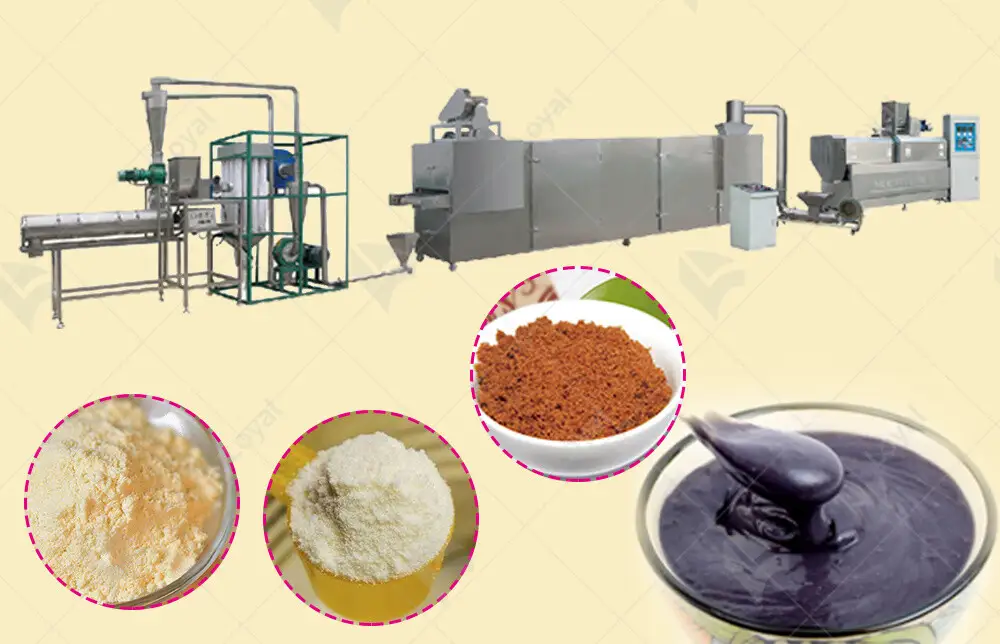
Predictions for the Evolution of Fully Automatic Systems in Baby Food Packaging
The landscape of baby food packaging is poised for a transformative evolution, driven by advancements in fully automatic systems. These innovations are set to enhance efficiency, safety, and sustainability in baby food packaging. The following predictions highlight the key trends that will shape the future of fully automatic baby food packaging systems:
Integration of Artificial Intelligence (AI) and Machine Learning (ML) | AI and ML are expected to revolutionize baby food packaging by enabling systems to learn from data, optimize processes, and make real-time adjustments. These technologies can predict equipment failures, schedule maintenance proactively, and enhance overall operational efficiency. By continuously analyzing data, AI-driven systems can ensure consistent quality and minimize downtime, leading to more efficient baby food packaging operations. |
Advanced Robotics and Automation | The deployment of advanced robotics will further enhance the automation of baby food packaging systems. Collaborative robots, or cobots, will work alongside human operators to perform complex tasks with high precision and efficiency. These robots can handle delicate baby food products with care, ensuring that packaging processes are both efficient and gentle. Increased automation will lead to higher production speeds, reduced labor costs, and improved consistency in packaging quality. |
Sustainable Packaging Solutions | Sustainability is becoming a critical focus in the packaging industry. Future baby food packaging systems will prioritize eco-friendly materials and processes that reduce environmental impact. Innovations such as biodegradable packaging, recyclable materials, and minimized packaging waste will become standard. Fully automatic systems will be designed to handle these new materials efficiently, ensuring that sustainability goals are met without compromising on product quality or safety. |
Enhanced Traceability and Transparency | As consumers demand greater transparency in food products, fully automatic packaging systems will incorporate advanced tracking technologies. Blockchain and IoT sensors will provide real-time information about the origin, processing, and distribution of baby food products. Enhanced traceability will build consumer trust and confidence in the brand, ensuring that detailed product information is readily available. |
Customization and Personalization | Future packaging systems will offer greater flexibility for customization and personalization. Manufacturers will be able to adapt to varying packaging sizes, formats, and designs to meet diverse consumer preferences. Fully automatic systems will enable quick switches between different packaging configurations, allowing for small-batch production runs and personalized packaging options. This adaptability will help brands cater to niche markets and individual consumer needs more effectively. |
Smart Packaging Technologies | The incorporation of smart packaging technologies will revolutionize baby food packaging. Smart packaging can include features such as temperature indicators, freshness sensors, and QR codes that provide interactive content. These innovations will enhance the consumer experience by ensuring product quality and safety while offering additional value through digital engagement. |
Global Standardization and Compliance | With the global expansion of the baby food industry, standardization and compliance with international regulations will become increasingly important. Fully automatic packaging systems will be designed to meet diverse regulatory requirements, ensuring that products comply with safety and quality standards across different markets. This global approach will facilitate smoother market entry and reduce complexities associated with international trade. |
Reference
The following are five authoritative foreign literature websites in the field of Industrial food machinery:
1. Food Engineering Magazine
Website: https://www.foodengineeringmag.com/
2.Food Processing Magazine
Website: https://www.foodprocessing.com/
3.Journal of Food Engineering
Website:https://www.journals.elsevier.com/journal-of-food-engineering
4. Food Manufacturing Magazine
Website:https://www.foodmanufacturing.com/
5. International Journal of Food Science & Technology
Website:https://onlinelibrary.wiley.com/