



Everything you Need to Know About Baby Cereal Powder Production Line
Introduction to Baby Cereal Powder Production Line
The baby cereal powder production line is an essential component of the industrial food machinery sector, particularly focused on the specialized needs of infant nutrition. This production line involves a series of meticulously designed and engineered processes that ensure the creation of high-quality, safe, and nutritious baby cereal powder. The production line's efficiency and technological advancements play a crucial role in meeting the growing demand for baby cereals globally. Understanding the components and operation of a baby cereal powder production line is vital for manufacturers aiming to produce superior products while adhering to stringent safety and quality standards.
At the heart of a baby cereal powder production line are several key components, each serving a specific function to ensure the seamless transformation of raw ingredients into finished products. These components typically include mixers, extruders, dryers, coolers, grinders, and packaging machines. Mixers are responsible for homogenizing the raw materials, ensuring a consistent blend that meets the desired nutritional profile. Extruders, often the core of the production line, cook and shape the cereal mixture under controlled conditions, enhancing its digestibility and palatability for infants.
The drying and cooling processes are critical stages in the baby cereal powder production line. These stages involve reducing the moisture content of the extruded cereal to ensure a stable shelf life and prevent microbial growth. Advanced drying technologies, such as hot air drying or vacuum drying, are employed to achieve optimal moisture levels without compromising the nutritional integrity of the product. Once dried, the cereal is cooled to room temperature before undergoing grinding, where it is milled into a fine powder suitable for infant consumption.
Quality control and safety standards are paramount in the baby cereal powder production line. Manufacturers implement rigorous testing protocols to ensure that each batch of cereal powder meets regulatory requirements and is free from contaminants. This involves regular monitoring of raw materials, in-process samples, and finished products for nutritional content, microbial safety, and physical properties. Additionally, automation and advanced monitoring systems are increasingly integrated into production lines to enhance efficiency, reduce human error, and maintain consistent quality. As a result, the baby cereal powder production line not only ensures the production of high-quality baby cereals but also supports the industry's commitment to infant health and safety.

Importance of Baby Cereal in Infant Nutrition
Baby cereal plays a crucial role in the early stages of infant nutrition. It serves as one of the first solid foods introduced to babies, providing essential nutrients that support growth and development. The carefully formulated baby cereal powder production line ensures that the product is rich in vitamins, minerals, and other vital nutrients necessary for a baby's health. This production line is designed to maintain the nutritional integrity of the ingredients while producing a consistent and safe product.
One of the main advantages of baby cereal is its high iron content. Iron is a critical nutrient for infants as it supports brain development and helps prevent iron-deficiency anemia, which can lead to developmental delays. The baby cereal powder production line incorporates advanced technology to fortify the cereal with iron and other essential minerals, ensuring that each serving meets the nutritional needs of growing infants.
In addition to iron, baby cereal is also enriched with other important nutrients such as zinc, calcium, and vitamins A, C, and D. These nutrients play various roles in supporting immune function, bone development, and overall health. The baby cereal powder production line is equipped with precise mixing and blending capabilities to evenly distribute these nutrients throughout the product, ensuring that each batch meets strict quality standards.
The production of baby cereal powder also focuses on the ease of digestion and allergen management. The baby cereal powder production line utilizes processes such as extrusion cooking to break down complex carbohydrates into simpler forms that are easier for babies to digest. Additionally, stringent quality control measures are in place to prevent cross-contamination and ensure the final product is safe for infants with food sensitivities or allergies.
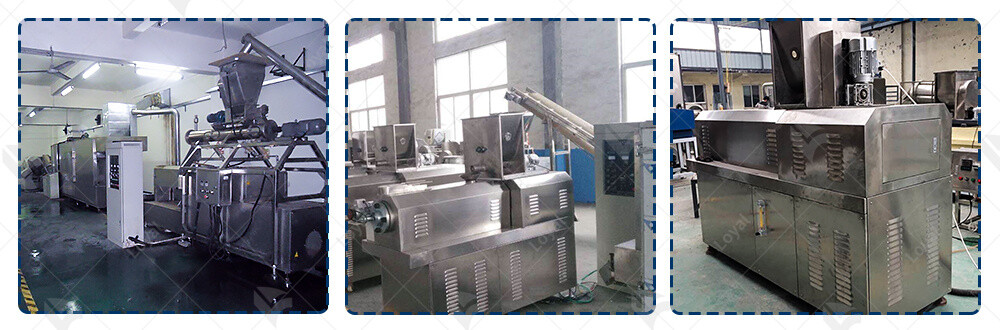
Key Components of a Baby Cereal Powder Production Line
| Component | Description |
| Raw Material Handling System | Ensures the efficient receipt, storage, and transfer of raw materials into the production line. |
| Mixing and Blending Equipment | Combines various ingredients to create a uniform mixture, crucial for consistent quality. |
| Extrusion Cookers | Cooks the cereal mixture under high temperature and pressure, enhancing digestibility and shelf life. |
| Drying Systems | Reduces moisture content to prevent spoilage and extend the product's shelf life. |
| Cooling Conveyors | Rapidly cools the cooked product to maintain its quality and prevent microbial growth. |
| Milling Machines | Grinds the cooled product into fine powder, ensuring a consistent texture for the final product. |
| Sieving Equipment | Removes any oversized particles, ensuring uniform particle size in the baby cereal powder. |
| Packaging Machines | Automatically fills, seals, and labels the finished product, ensuring hygiene and efficiency. |
| Quality Control Instruments | Monitors and tests the product at various stages to ensure it meets safety and quality standards. |
| Automation Systems | Integrates and automates various components of the production line, increasing efficiency and consistency. |
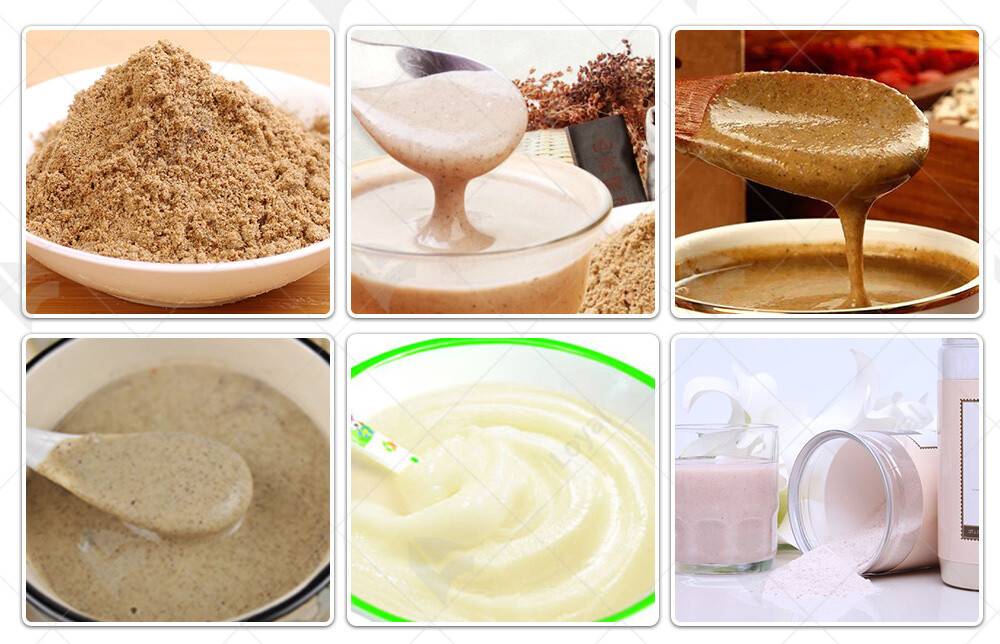
Step-by-Step Production Process Overview
Raw Material Selection and Preparation
The first step in the baby cereal powder production line is the careful selection of raw materials. Quality grains such as rice, oats, and wheat are chosen based on their nutritional value and safety standards. The selected grains undergo thorough cleaning to remove impurities and contaminants. This is typically done using industrial food machinery like vibrating sieves and magnetic separators, ensuring that only the highest quality grains proceed to the next stage.
Once cleaned, the grains are sorted and graded according to size and quality. Advanced sorting machines are used to automate this process, ensuring uniformity and consistency. Proper raw material selection and preparation are critical as they directly impact the quality of the final baby cereal powder product.
Cooking and Hydrolysis
After preparation, the grains are subjected to cooking, which is a crucial step in the baby cereal powder production line. The grains are cooked using industrial food machinery such as steam cookers or extrusion cookers. Cooking not only softens the grains but also helps in breaking down complex carbohydrates into simpler forms, making them easier to digest for babies.
Hydrolysis follows cooking, where enzymes are added to further break down the carbohydrates. This process is essential for enhancing the nutritional value and digestibility of the baby cereal powder. The hydrolyzed mixture is then cooled down and prepared for the drying stage. Maintaining precise temperature and timing during cooking and hydrolysis is vital to ensure the quality and safety of the baby cereal powder.
Drying and Milling
The next stage in the baby cereal powder production line is drying the hydrolyzed mixture. This is typically achieved using spray dryers or drum dryers, which are efficient industrial food machinery designed to remove moisture while preserving the nutritional content. The drying process needs to be carefully controlled to prevent nutrient loss and ensure the powder's texture is suitable for infants.
Once dried, the mixture is milled into a fine powder. Milling machines, equipped with fine sieves, are used to achieve the desired powder consistency. The milled powder is then sifted to ensure uniform particle size. This stage is critical as the texture of the baby cereal powder must be smooth and free of lumps, making it easy for babies to consume.
Packaging and Quality Control
The final stage in the baby cereal powder production line is packaging. The powder is packed using automated packaging machines, which ensure hygiene and precision. The packaging materials used are selected to protect the product from moisture, light, and contamination, thus extending its shelf life. Packaging also includes labeling, which provides essential information such as ingredients, nutritional values, and expiration dates.
Quality control is an integral part of the entire production process. Samples are taken at various stages and tested for nutritional content, safety, and compliance with regulatory standards. Advanced laboratory equipment and industrial food machinery play a significant role in maintaining the high quality of baby cereal powder. Continuous monitoring and quality checks ensure that the final product meets the stringent requirements necessary for infant food products.

Quality Control and Safety Standards
Quality control and safety standards are crucial in the baby cereal powder production line to ensure the final product is safe for consumption. The first step in maintaining quality is sourcing high-quality raw materials. Suppliers must provide certificates of analysis and meet stringent quality standards. Upon arrival at the production facility, the raw materials undergo rigorous testing to confirm they meet the necessary specifications. These initial tests ensure that the base ingredients are free from contaminants and meet nutritional requirements.
The production process itself involves multiple stages where quality control checks are implemented. During milling, blending, and packaging, the baby cereal powder production line is monitored to maintain consistency and quality. Automated systems often include sensors and cameras to detect any irregularities in the product. Regular sampling and laboratory testing are conducted to check for microbial contamination, moisture levels, and nutrient content. This ongoing monitoring ensures that any deviations from the standard are promptly identified and rectified.
In addition to in-process quality checks, the final product undergoes thorough testing before it reaches the market. This includes checking for contaminants such as heavy metals, pesticide residues, and microbial pathogens. Sensory evaluations are also conducted to ensure the product's taste, texture, and appearance meet consumer expectations. Packaging integrity is another critical aspect of quality control in the baby cereal powder production line, ensuring that the packaging protects the product from environmental factors that could compromise its safety.
Compliance with international safety standards and certifications, such as ISO 22000 and HACCP, is essential for manufacturers in the baby cereal powder production line. These standards provide a framework for identifying potential hazards and implementing control measures to prevent contamination. Regular audits and inspections by third-party organizations help ensure ongoing compliance. By adhering to these rigorous quality control and safety standards, manufacturers can guarantee that their baby cereal powder products are safe, nutritious, and of the highest quality for infant consumption.
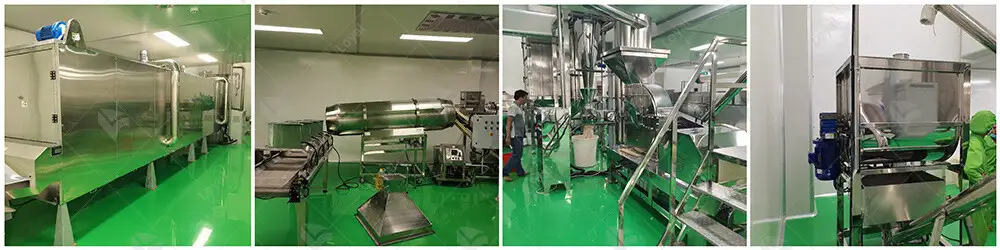
Automation in Baby Cereal Production
The integration of automation in baby cereal powder production lines has revolutionized the food manufacturing industry. Automation ensures consistent quality and safety, which is paramount in baby food production. By incorporating advanced robotics and precise control systems, manufacturers can achieve uniformity in the texture and nutritional content of baby cereal powder. This level of consistency is crucial as it directly impacts the health and development of infants who consume these products.
Automation in baby cereal powder production lines enhances efficiency and reduces operational costs. Automated systems can operate continuously with minimal human intervention, significantly lowering labor costs and minimizing the risk of human error. Furthermore, these systems are designed to optimize resource use, reducing waste and ensuring that raw materials are used efficiently. This not only benefits the manufacturers economically but also aligns with sustainable practices by minimizing environmental impact.
One of the key advantages of automation in baby cereal powder production lines is the ability to maintain stringent hygiene standards. Automated equipment can be designed with easy-to-clean features and integrated cleaning protocols, ensuring that the production environment remains sanitary. This is particularly important in baby food production, where contamination risks must be minimized to protect infant health. Automation helps maintain a clean production environment, reducing the risk of product recalls and ensuring compliance with food safety regulations.
Additionally, automation in baby cereal powder production lines enables real-time monitoring and data collection, providing valuable insights into the production process. Manufacturers can track and analyze various parameters, such as temperature, humidity, and ingredient proportions, to ensure optimal conditions are maintained throughout the production cycle. This data-driven approach allows for continuous improvement and quick identification of potential issues, enhancing the overall quality and reliability of the final product.
In conclusion, the adoption of automation in baby cereal powder production lines offers numerous benefits, including consistent product quality, operational efficiency, enhanced hygiene, and data-driven process optimization. By leveraging advanced technology, manufacturers can ensure that their baby cereal products meet the highest standards of safety and nutrition, ultimately contributing to the well-being of infants worldwide.
References
1.Food Processing Technology - www.foodprocessing-technology.com
2.Food Engineering Magazine - www.foodengineeringmag.com
3.ProFood World - www.profoodworld.com
4.Food Manufacturing - www.foodmanufacturing.com
5.International Society of Automation (ISA) - www.isa.org