



Discovering The World Of Baby Rice Powder Food Processing Line
Introduction
Welcome to the world of baby rice powder food processing lines, where precision meets nutrition in the realm of industrial food machinery. This guide delves into the essential aspects of these specialized machines, designed specifically for producing high-quality baby rice powder.
Baby rice powder food processing lines play a crucial role in the food industry, particularly in the production of infant nutrition products. These advanced machines are engineered to handle the delicate processing requirements of rice-based powders, ensuring optimal nutritional content and safety standards are met.
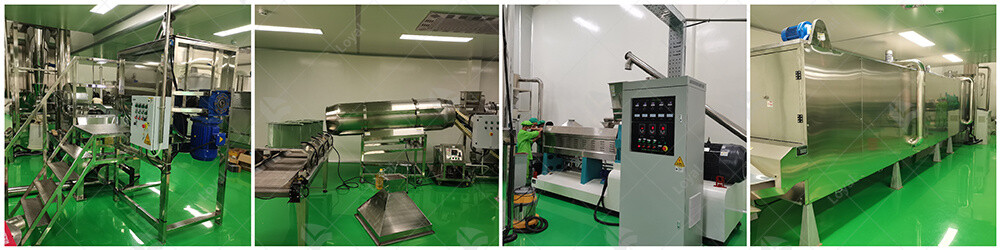
Key Components of Baby Rice Powder Food Processing Lines
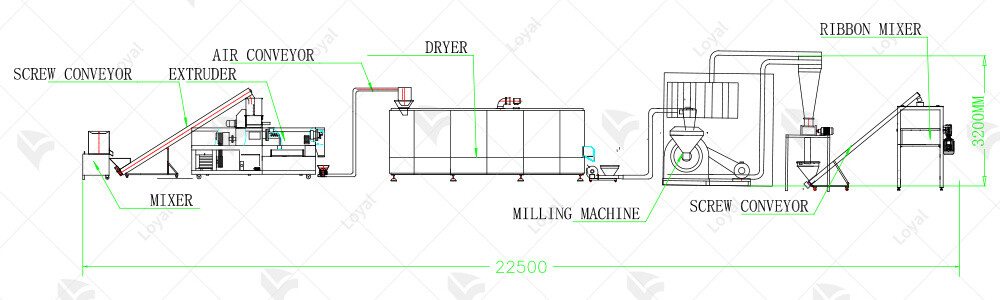
1. Grinding and Milling Unit
At the heart of a baby rice powder food processing line lies the grinding and milling unit. This component is designed to finely grind rice grains into a smooth and consistent powder suitable for baby consumption. Utilizing advanced grinding technologies, these units ensure that the rice powder maintains its nutritional integrity while achieving the desired texture.
2. Mixing and Blending Systems
Efficient mixing and blending systems play a pivotal role in ensuring uniformity and quality in the rice powder mixture. These systems incorporate precise blending techniques to combine essential ingredients such as vitamins, minerals, and additives, ensuring a balanced nutritional profile in the final product. Advanced automation controls facilitate accurate blending ratios and consistency, meeting stringent quality standards.
3. Extrusion and Forming Equipment
The extrusion and forming equipment in a baby rice powder food processing line are responsible for shaping the rice powder mixture into desired forms such as flakes, pellets, or granules. This process involves precise extrusion techniques that maintain the nutritional content and ensure the uniformity of the final product. Temperature and pressure controls are meticulously monitored to achieve optimal product texture and integrity.
4. Drying and Cooling Systems
To preserve the nutritional value and extend the shelf life of the processed rice powder, efficient drying and cooling systems are integrated into the processing line. These systems utilize advanced drying technologies to remove excess moisture while maintaining the delicate nutritional components of the rice powder. Controlled cooling processes follow to stabilize the product and enhance its storage stability.
5. Packaging and Quality Control
The final stages of a baby rice powder food processing line involve packaging and quality control measures. Automated packaging systems ensure hygienic and efficient packaging of the processed rice powder into consumer-ready formats. Stringent quality control checks throughout the production line monitor factors such as particle size, moisture content, and microbiological safety, adhering to international food safety standards.
Advantages of baby rice cereal food processing line
| Advantage | Description |
| Enhanced Nutritional Retention | Baby rice powder food processing lines are designed to preserve essential nutrients during production, ensuring that the final product retains high nutritional value beneficial for infant development. |
| Efficient Production | These processing lines are equipped with advanced automation and control systems, enabling efficient and consistent production of baby rice powder in large quantities, meeting market demand effectively. |
| Versatility in Processing | They offer versatility in processing various types of rice and other grains into fine powders suitable for baby food, catering to different dietary preferences and nutritional requirements. |
| Compliance with Safety Standards | Manufacturers adhere to stringent safety standards, ensuring that the processing lines are safe for handling baby food products, meeting international regulations for food processing equipment. |
| Cost-Effectiveness | Investing in a baby rice powder food processing line proves cost-effective in the long run, reducing operational costs associated with manual processing while increasing production efficiency and profitability. |
| Space-Saving Design | Compact designs of these processing lines require minimal floor space, making them suitable for installation in various food production facilities without compromising operational efficiency. |
| Easy Maintenance | Routine maintenance procedures are simplified, with clear instructions provided by manufacturers to ensure optimal performance and longevity of the processing equipment, minimizing downtime and production interruptions. |
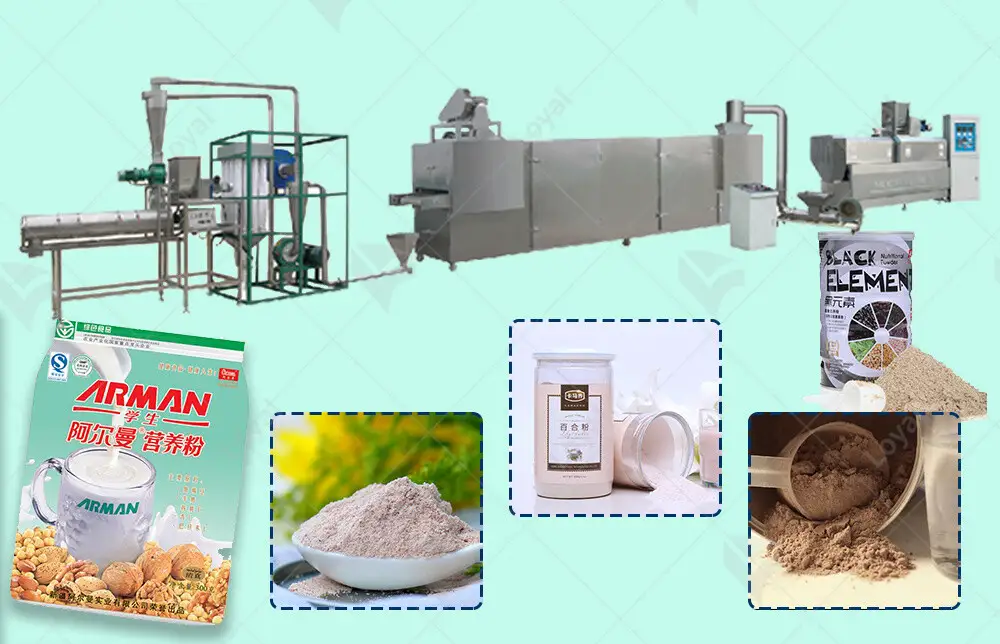
Quality Control and Safety Measures
In the realm of industrial food machinery, the baby rice powder food processing line stands as a pinnacle of precision and reliability. These advanced systems are engineered to uphold stringent quality control measures, ensuring every stage of production meets the highest standards of safety and consistency.
Rigorous Quality Standards
The heart of any baby rice powder food processing line lies in its adherence to rigorous quality standards. From the initial intake of raw materials to the final packaging of the product, every step is meticulously monitored and controlled. This ensures that each batch of rice powder maintains optimal nutritional value and meets the nutritional requirements essential for infant development.
Advanced Automation and Monitoring
Modern processing lines are equipped with state-of-the-art automation and monitoring systems. These technologies not only enhance production efficiency but also play a crucial role in maintaining product quality. Automated controls regulate factors such as temperature, moisture content, and particle size, guaranteeing uniformity across all batches.
Safety Protocols and Hygiene Practices
Safety remains paramount in the design and operation of these processing lines. Strict hygiene practices are enforced to prevent contamination and ensure the safety of the final product. Components that come into contact with food undergo regular sanitation procedures, complying with international hygiene standards to safeguard against microbiological risks.
Compliance with Regulatory Requirements
Manufacturers of baby rice powder food processing lines adhere to stringent regulatory requirements. These regulations encompass aspects ranging from equipment design to production processes, ensuring that each system meets or exceeds safety and quality benchmarks set by authorities. Compliance is not just a legal obligation but a commitment to infant health and consumer trust.
Continuous Improvement and Innovation
The landscape of baby food production continues to evolve with advancements in technology and consumer preferences. Manufacturers continually innovate their processing lines to enhance efficiency, reduce energy consumption, and improve the overall sustainability of operations. This dedication to innovation underscores the industry's commitment to meeting the evolving demands of global markets.
In conclusion, the baby rice powder food processing line represents the intersection of precision engineering, stringent quality control, and unwavering commitment to safety. As manufacturers and consumers alike prioritize nutritional integrity and product safety, these processing lines play a pivotal role in ensuring that infants receive the highest quality rice powder formulations essential for their growth and development.

Technological Advancements
In the realm of baby food processing, the evolution of technology has revolutionized the production of baby rice powder. Baby rice powder food processing lines today integrate cutting-edge advancements to ensure safety, efficiency, and nutritional integrity in every batch produced.
Automation and Control Systems
Modern baby rice powder food processing lines are equipped with advanced automation and control systems. These systems enable precise monitoring and adjustment of parameters such as temperature, moisture levels, and mixing ratios. This automation not only enhances production efficiency but also ensures consistency in the quality and texture of the final product. Manufacturers often integrate smart sensors and PLC (Programmable Logic Controller) systems to automate processes from raw material intake to packaging, minimizing human error and optimizing throughput.
Multi-Functional Capabilities
Versatility is a hallmark of contemporary baby rice powder food processing lines. These machines are designed to process a variety of ingredients beyond rice, including grains like barley, oats, and millet, catering to diverse nutritional needs and preferences. Such flexibility allows manufacturers to adapt quickly to changing market demands and consumer trends without significant retooling or downtime.
Energy Efficiency and Sustainability
In response to global sustainability concerns, manufacturers have prioritized energy-efficient designs in baby rice powder food processing lines. These machines incorporate energy-saving technologies such as heat recovery systems and efficient motors to reduce overall energy consumption and operational costs. Additionally, some models feature water-saving mechanisms and waste-reduction measures, aligning with eco-friendly practices that resonate with environmentally conscious consumers.
Safety Standards and Compliance
Ensuring product safety is paramount in baby food processing. Leading manufacturers adhere strictly to international safety standards and regulations, implementing robust safety features in their processing lines. These include sanitary design principles, allergen control systems, and compliance with food safety certifications such as HACCP (Hazard Analysis and Critical Control Points). By prioritizing safety throughout the design and manufacturing process, these machines mitigate risks associated with foodborne illnesses and contaminants, safeguarding both consumer health and brand reputation.
The technological advancements in baby rice powder food processing lines underscore a commitment to innovation and quality within the food manufacturing industry. From automation and multi-functional capabilities to energy efficiency and safety compliance, these machines represent the pinnacle of engineering excellence tailored to meet the stringent demands of modern baby food production. As consumer expectations continue to evolve, manufacturers will undoubtedly continue to innovate, driving further advancements in this critical sector of the food processing industry.
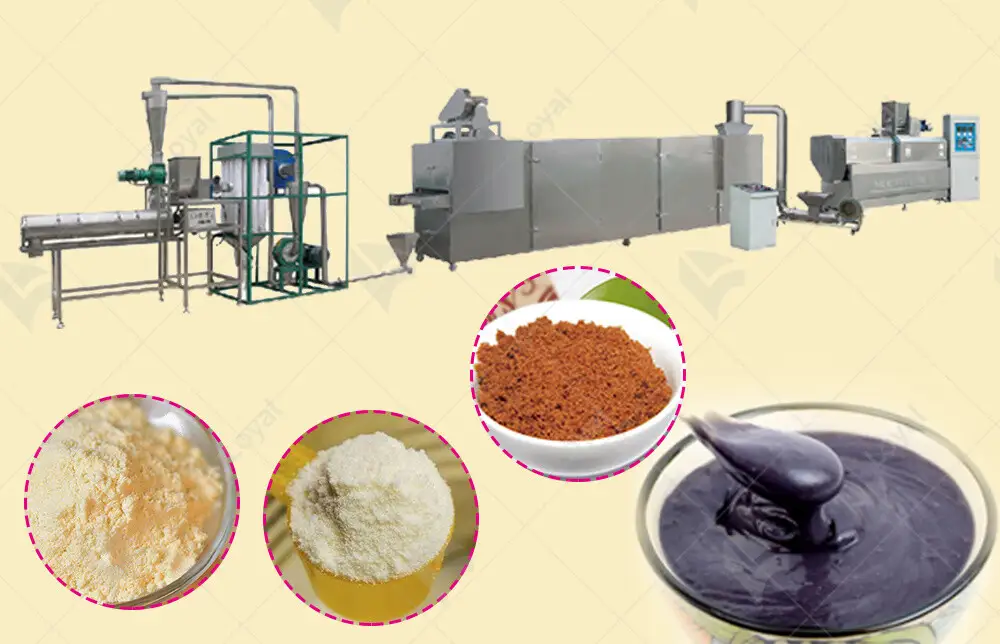
Economic and Environmental Impact
In the realm of industrial food machinery, the baby rice powder food processing line plays a crucial role in meeting the specialized needs of infant nutrition. These processing lines are meticulously designed to ensure both nutritional integrity and operational efficiency, catering specifically to the production of baby rice powder—a staple in infant diets worldwide.
Economic Benefits
The deployment of a baby rice powder food processing line offers significant economic advantages to manufacturers. Firstly, these machines are engineered for high productivity, capable of processing large volumes of rice into fine powder efficiently. This translates to enhanced production output and cost-effectiveness, as manufacturers can meet market demands promptly without compromising on quality.
Moreover, the automation and precision of these processing lines minimize human error, thereby reducing operational costs associated with manual labor and product wastage. This automation not only enhances production efficiency but also optimizes resource utilization, making the manufacturing process more streamlined and sustainable in the long term.
Environmental Considerations
From an environmental perspective, baby rice powder food processing lines are designed with energy efficiency in mind. Modern machines incorporate advanced technologies that minimize energy consumption during operation, aligning with global sustainability goals and reducing the carbon footprint of manufacturing processes.
Furthermore, these processing lines are engineered to adhere to stringent environmental regulations and standards. They employ sustainable practices such as water recycling and waste reduction, ensuring minimal environmental impact throughout the production cycle. By integrating eco-friendly practices into their operations, manufacturers can contribute to preserving natural resources and promoting sustainable development practices within the food processing industry.

Choosing the Right Baby Rice Powder Food Processing Line
| Aspect | Details |
| Production Capacity | Choose a machine that matches your production needs, considering output in kg/hour. |
| Automation Features | Look for automation levels, such as PLC control, to streamline operations and reduce labor costs. |
| Material Compatibility | Ensure the machine can process various types of rice and additives without compromising quality. |
| Energy Efficiency | Opt for models with energy-saving features to minimize operational costs. |
| Sanitation and Maintenance Needs | Assess ease of cleaning and maintenance requirements to uphold hygiene standards. |
| Space and Installation Requirements | Consider dimensions and installation needs to fit within your production facility. |
| Manufacturer Reputation | Select a reliable brand known for quality craftsmanship and customer support. |
| Compliance with Safety Standards | Verify adherence to international safety standards to ensure worker and product safety. |
| Cost-effectiveness | Evaluate initial investment versus long-term operational savings and return on investment (ROI). |
Future Trends and Innovations in Baby Rice Powder Food Processing Lines
The landscape of baby rice powder food processing lines is evolving rapidly, driven by advancements in technology and increasing demands for safe and efficient food production. Manufacturers are continuously innovating to meet stringent safety standards while enhancing production efficiency.
Automation and Efficiency
One of the prominent trends in baby rice powder food processing lines is the integration of advanced automation systems. These systems not only streamline production processes but also ensure consistency in product quality. Modern lines are equipped with automated mixing, grinding, and packaging modules, minimizing human intervention and optimizing throughput.
Nutritional Preservation
Another critical focus area is the preservation of nutritional integrity during processing. Manufacturers are investing in technologies that maintain the essential vitamins, minerals, and micronutrients in baby rice powder. This ensures that the final product retains its nutritional value, meeting the stringent requirements of infant nutrition guidelines worldwide.
Sustainability and Environmental Impact
With global concerns about sustainability on the rise, there is a growing emphasis on developing eco-friendly processing solutions. Baby rice powder food processing lines are incorporating energy-efficient components and sustainable practices to reduce carbon footprints. From energy-efficient motors to recyclable packaging materials, every aspect is being optimized for environmental sustainability.
Customization and Flexibility
Consumer preferences for personalized nutrition are influencing the design of processing lines. Manufacturers are offering modular designs that allow for customization based on production volumes and specific formulation requirements. This flexibility not only enhances operational efficiency but also caters to diverse market demands for different types of baby rice powder formulations.
Regulatory Compliance
Adherence to stringent food safety and regulatory standards remains non-negotiable in the design and operation of baby rice powder food processing lines. Manufacturers are proactively integrating safety features and complying with international regulations to ensure consumer safety and product quality.
Market Expansion and Global Reach
The global market for baby rice powder and infant food products continues to expand, driven by increasing birth rates and rising disposable incomes in emerging economies. Manufacturers of processing lines are expanding their global reach, establishing partnerships and distribution networks to meet the growing demand for safe and nutritious infant food products.
Reference
The following are five authoritative foreign literature websites in the field of Industrial food machinery:
1. Food Engineering Magazine
Website: https://www.foodengineeringmag.com/
2.Food Processing Magazine
Website: https://www.foodprocessing.com/
3.Journal of Food Engineering
Website:https://www.journals.elsevier.com/journal-of-food-engineering
4. Food Manufacturing Magazine
Website:https://www.foodmanufacturing.com/
5. International Journal of Food Science & Technology
Website:https://onlinelibrary.wiley.com/