



Introduction to Self-Heating Rice Production Line: A Convenient Solution for Rice Processing
If you want to know more story about LOYAL brand, here can help you - https://www.facebook.com/foodmachineloyal
In the modern food industry, the demand for high-quality, ready-to-eat rice products has surged. Among the innovations that have transformed rice processing, the Self-Heating Rice Production Line stands out as a game-changer. This technology integrates automation and advanced heating systems, allowing rice producers to offer ready-to-eat meals that maintain both freshness and taste without requiring additional preparation.
The Self-Heating Rice Production Line streamlines the rice cooking and packaging process, providing a more efficient solution for large-scale food manufacturers. With the ability to preheat rice meals directly within the packaging, the production line offers a high level of convenience for consumers, making it an indispensable tool in today’s fast-paced, convenience-driven market.
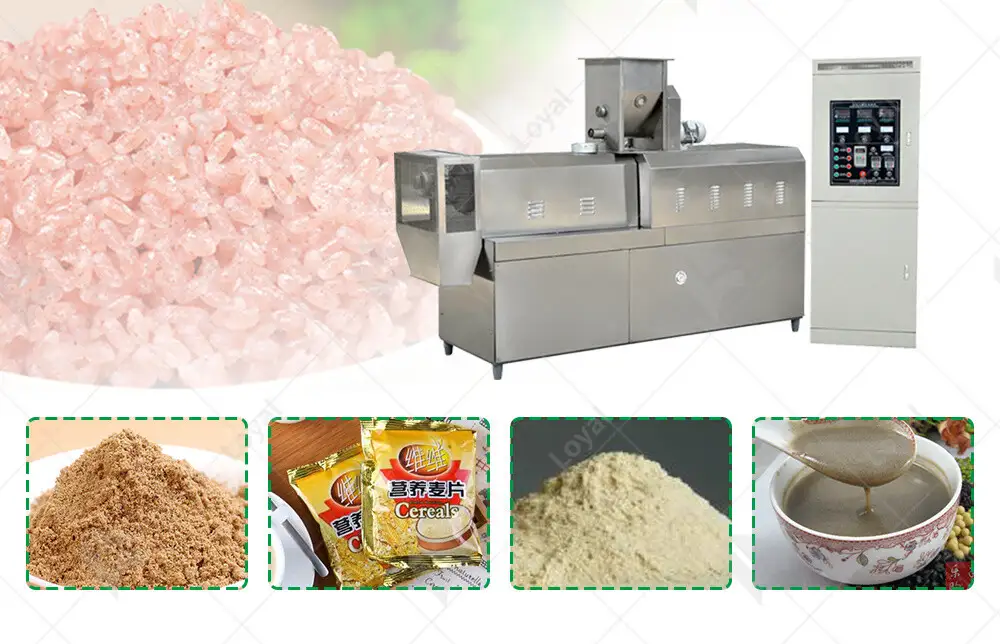
The Components of a Self-Heating Rice Production Line
A Self-Heating Rice Production Line is composed of several key components that work in tandem to ensure the efficient production of high-quality, ready-to-eat rice meals. These components are designed to optimize the cooking, heating, and packaging processes, which are crucial in delivering a consistent and safe product to consumers.
1. Automatic Rice Cooking System
The backbone of the Self-Heating Rice Production Line is the automatic rice cooking system. This component is responsible for cooking rice to the perfect texture and consistency. It uses advanced heat and moisture control systems to ensure that each batch of rice is cooked uniformly, retaining the ideal level of softness and flavor. The automatic nature of this system eliminates the need for manual intervention, reducing human error and improving overall production efficiency.
2. Self-Heating Packaging Unit
One of the most innovative aspects of this production line is the self-heating packaging unit. This unit is equipped with a specialized heating element that can activate upon sealing, allowing the rice meal to heat itself without external power sources. The packaging typically contains a chemical heat pack or a controlled-release heating mechanism, which, when triggered, heats the rice to the desired temperature. This technology is especially advantageous for single-serving portions, making it easier for consumers to enjoy a hot meal anywhere, anytime.
3. Cooling and Sealing Equipment
After the rice has been cooked and self-heated, the next step involves cooling and sealing the meal for distribution. The cooling system ensures that the rice maintains optimal texture and prevents overcooking during the sealing process. The sealing equipment is highly precise, ensuring that each package is securely closed to maintain the freshness and safety of the product. The combination of efficient cooling and sealing helps extend the shelf life of the rice meals, which is critical for both domestic and international distribution.
4. Control and Monitoring System
To ensure the entire production line operates seamlessly, a sophisticated control and monitoring system is integrated. This system enables operators to oversee the cooking, heating, and packaging stages in real time, adjusting settings as needed to maintain quality and efficiency. The control system often includes sensors and automated feedback loops that optimize temperature, humidity, and cooking time, further ensuring consistency across batches.
5. Packaging and Labeling Unit
Once the rice is cooked, heated, and sealed, the final stage in the production process involves packaging and labeling. This component automates the placement of rice portions into retail-ready packaging and applies the necessary labels for traceability and branding. This system reduces the labor involved in manual packaging and increases throughput, ensuring the final product is ready for immediate distribution.
Reference
The following are five authoritative foreign literature websites in the field of Industrial food machinery:
1. Food Engineering Magazine
Website: https://www.foodengineeringmag.com/
2.Food Processing Magazine
Website: https://www.foodprocessing.com/
3.Journal of Food Engineering
Website:https://www.journals.elsevier.com/journal-of-food-engineering
4. Food Manufacturing Magazine
Website:https://www.foodmanufacturing.com/
5. International Journal of Food Science & Technology
Website:https://onlinelibrary.wiley.com/