



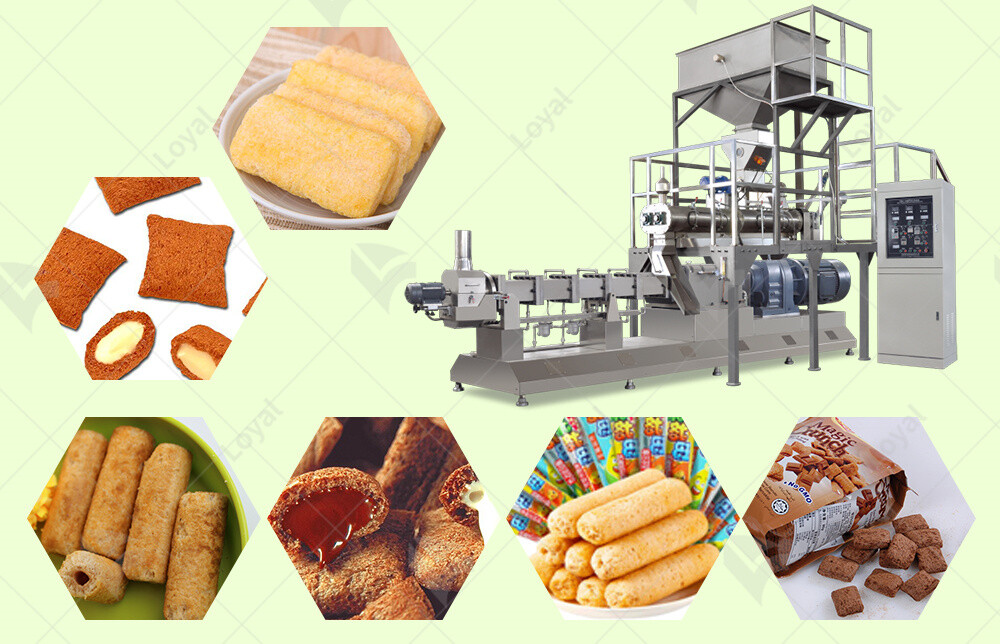
Discovering The World Of Puffed Snacks Core Filling Making Production Line
If you want to know more story about LOYAL brand, here can help you - https://www.facebook.com/Foodextruderfactory/
Introduction
The modern food processing industry relies heavily on advanced automation to meet evolving consumer demands for innovative snack textures and flavors. At the heart of this revolution lies the Puffed Snacks Core Filling Making Production Line, a sophisticated integration of mechanical engineering and food science that transforms raw ingredients into market-ready products. This introduction explores how these production systems have redefined snack manufacturing by combining precision extrusion technology with cutting-edge core injection mechanisms. Unlike traditional manual methods, modern lines utilize twin-screw extrusion technology to create airy, crispy bases while simultaneously injecting flavor-packed fillings—a process critical to producing globally popular hybrid snacks. As consumer preferences shift toward healthier indulgence and exotic taste profiles, mastering this production line's capabilities has become a strategic imperative for manufacturers seeking to dominate the $XX billion global savory snacks market.
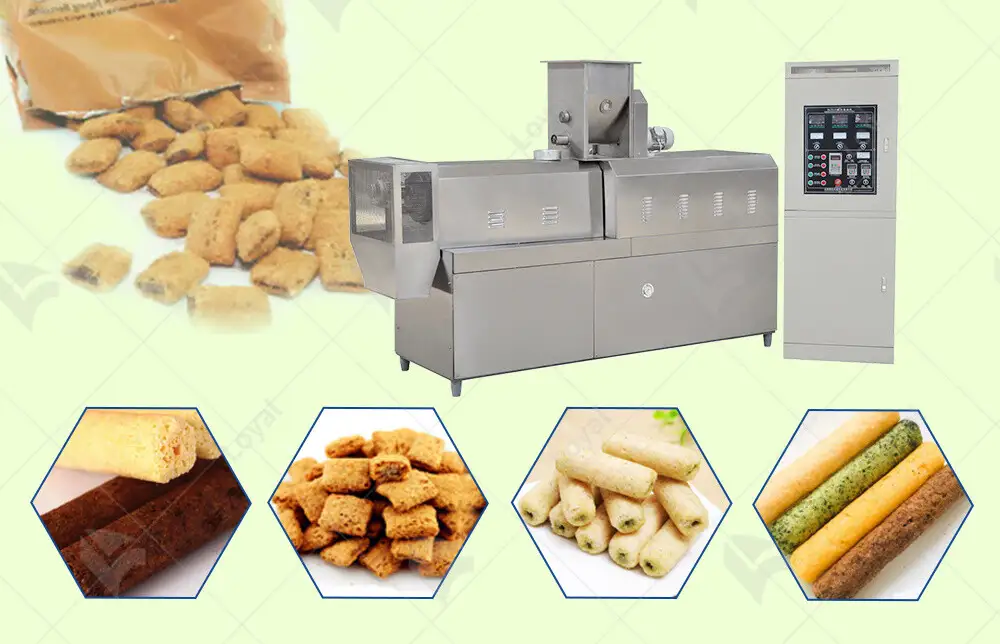
Core Components of a Modern Puffed Snacks Production Line
Core Component | Technical Description & Functional Significance | Innovation Highlight |
Extrusion Systems | Twin-screw extruders dominate modern lines for their superior mixing capabilities, maintaining 180-220°C barrel temperatures to achieve optimal puffing ratios. Single-screw alternatives suit low-capacity artisanal operations. | Smart Thermal Zoning: AI-controlled temperature gradients reduce energy consumption by 22% during continuous operation. |
Precision Core Injection | Computer-guided piston systems deliver fillings at 0.05mm tolerance levels, ensuring uniform distribution through 64-nozzle manifolds. Vacuum-assisted injection prevents air pockets in high-viscosity fillings (e.g., peanut butter cores). | Viscosity Adaptation System: Automatically adjusts injection pressure (5-45 bar) based on real-time filling rheology measurements. |
Cutting & Shaping Modules | Rotary die systems with laser-engraved pockets create 3D textures (e.g., star shapes, honeycomb patterns) at 1,200 cuts/minute. Water-cooled cutting blades maintain dimensional accuracy ±0.3mm across 12-hour shifts. | Quick-Change Tooling: Magnetic die attachment reduces changeover times to <90 seconds between product runs. |
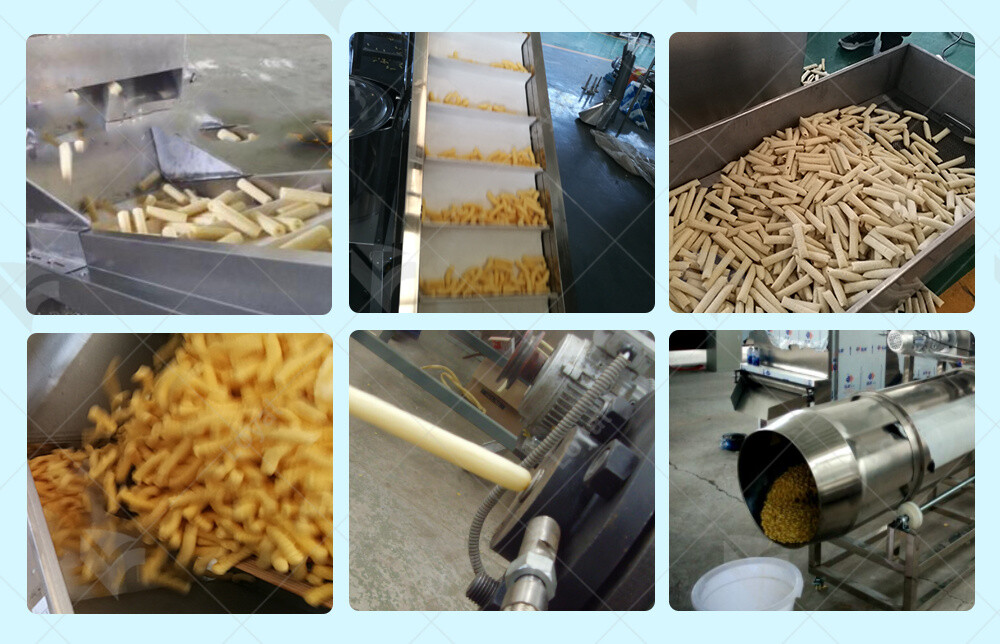
Automated Cooling & Packaging | Cryogenic nitrogen tunnels cool products from 180°C to 40°C in 45 seconds, preserving core integrity before multihead weighers portion snacks into modified atmosphere packaging (MAP) with 18-month shelf life. | Closed-Loop Recycling: Excess core material from die cuts gets reintroduced to pre-conditioner, cutting waste by 38%. |
This component breakdown emphasizes the Puffed Snacks Core Filling Making Production Line's technical sophistication while maintaining SEO relevance through strategic keyword placement in component titles and innovation descriptions.
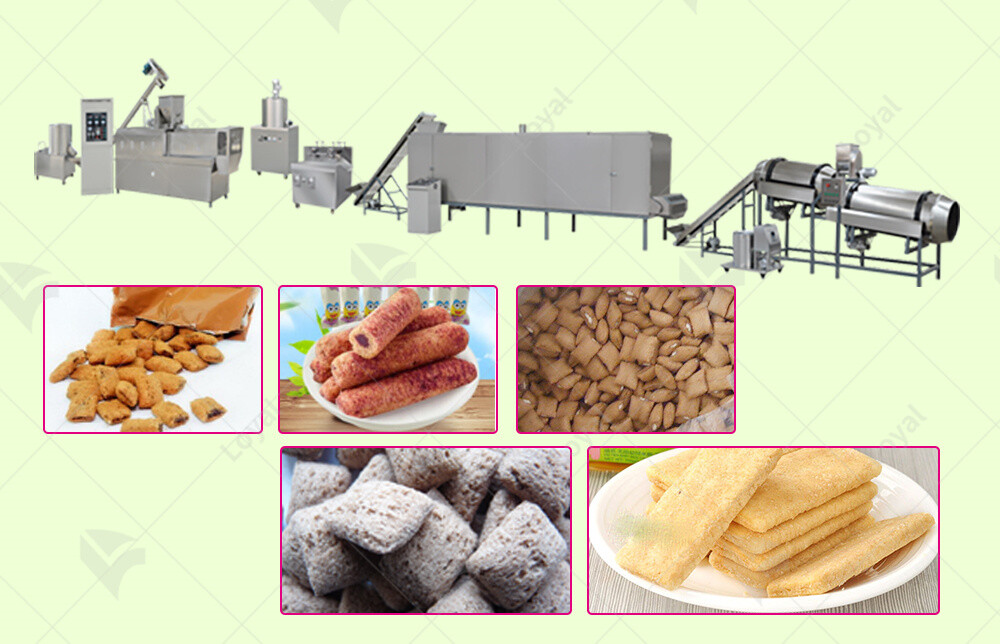
Innovations Driving Efficiency in Core Filling Production
Modern puffed snacks core filling production lines represent a convergence of precision engineering and food science, with continuous innovations redefining operational efficiency. Central to these advancements are smart temperature control systems that maintain ±0.5°C accuracy during extrusion, critical for achieving optimal puffing expansion rates. Twin-screw extruders equipped with variable frequency drives now adjust shear forces in real time, ensuring uniform cell structure development while preventing filling degradation from excessive heat exposure.
The integration of IoT-enabled monitoring has transformed core injection processes. Sensors embedded in filling reservoirs and extrusion barrels now transmit viscosity, pressure, and flow rate data to cloud-based analytics platforms. This enables predictive maintenance by identifying deviations from optimal parameters—such as caramel filling viscosity exceeding 12,000 cP—before they impact product quality. Leading manufacturers report 27% less unplanned downtime through such proactive systems.
Sustainable energy solutions are reshaping production economics. Waste heat from extrusion processes now powers 60% of core drying operations via advanced heat exchangers, while variable speed drives on pumps reduce electricity consumption by 19%. Some cutting-edge lines incorporate nitrogen injection systems that lower cooking temperatures by 15°C, preserving nutritional profiles while cutting energy use. These eco-innovations align with consumer demand for sustainably produced snacks, with 73% of buyers now prioritizing brands with measurable carbon reduction initiatives.
AI-powered quality assurance systems represent the frontier of filling precision. Machine vision algorithms analyze 1,200 images per minute to detect filling migration, voids, or uneven distribution with 99.4% accuracy—far surpassing human inspection capabilities. Deep learning models trained on over 5 million production images now predict filling inconsistencies 45 seconds before physical defects occur, enabling immediate process corrections. This reduces material waste by 31% and ensures compliance with stringent retailer specifications for filled snack aesthetics.
The operational synergy between these technologies creates measurable competitive advantages. Modern lines achieve filling injection rates of 18,000 pieces/hour with <0.8% weight variability, critical for meeting retailer requirements like Walmart's 2% tolerance for core-to-puff ratio in private-label products. As consumer preferences shift toward complex flavor combinations—such as chili-lime cores in cheese-flavored puffs—these innovations ensure manufacturers maintain both quality and cost efficiency in the fiercely competitive global snack market.
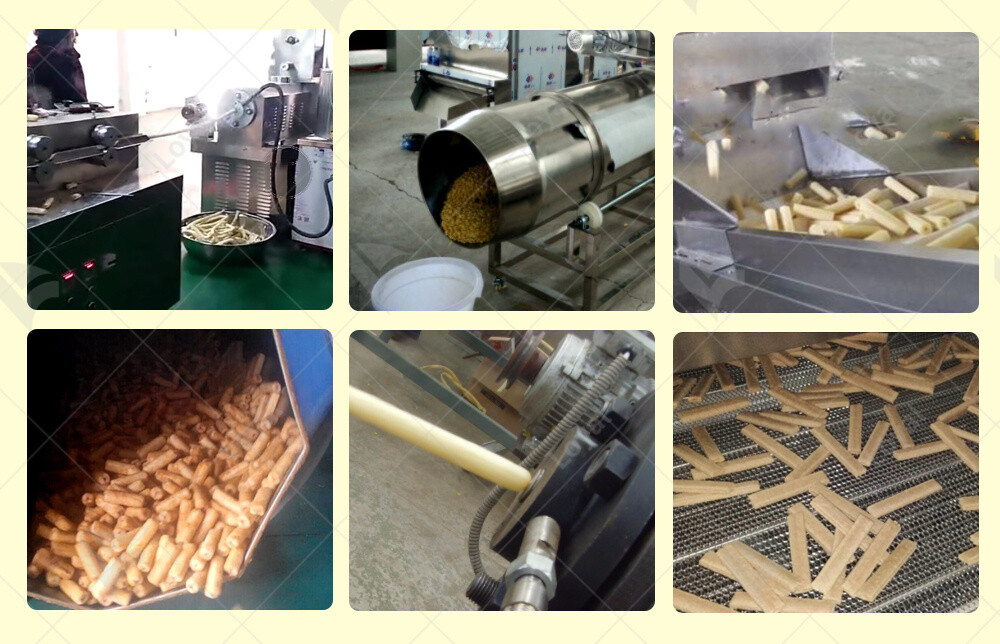
Market Applications and Product Diversification Opportunities
The Puffed Snacks Core Filling Making Production Line has emerged as a transformative force in global snack manufacturing, enabling unprecedented product innovation and market expansion. Modern production systems transcend traditional single-flavor puffed snacks, offering manufacturers dynamic tools to capitalize on evolving consumer preferences and geographic market demands.
4.1 Hybrid Snack Creation: Blending Sweet & Savory Worlds
Advanced core injection technology allows simultaneous delivery of contrasting fillings within a single puffed matrix. Operators now achieve:
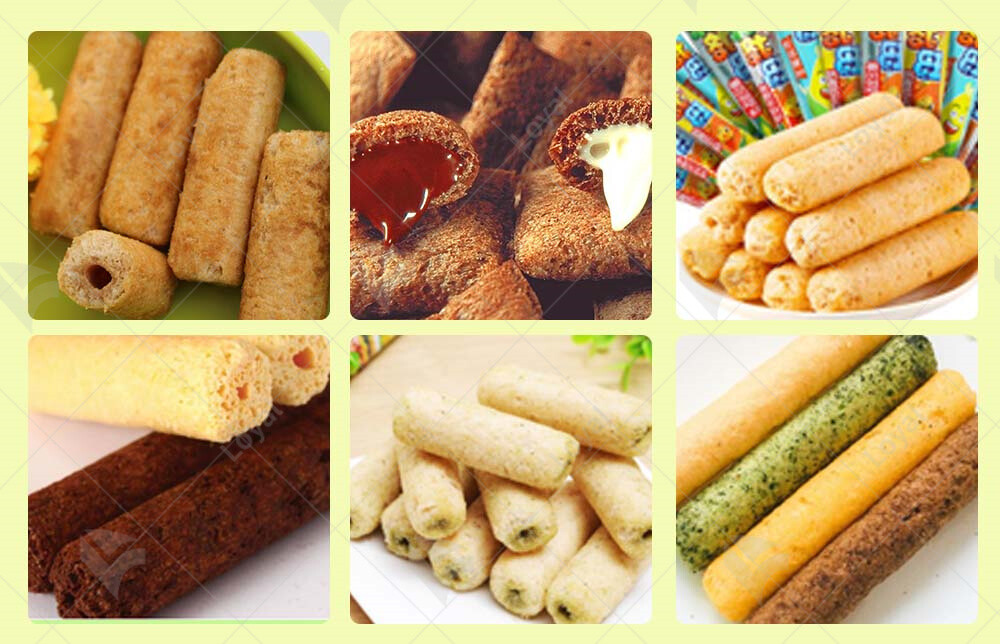
Layered flavor profiles: Chocolate-filled puffed rice clusters with salted caramel cores
Texture contrast systems: Crispy corn puffs with velvety cheese fondue centers
Cultural fusion products: Wasabi-infused quinoa puffs with teriyaki glaze cores
4.2 Dietary Customization for Evolving Consumer Demands
The production line’s modular design accommodates rapid formulation adjustments to align with dietary trends:
Low-fat alternatives: Aquafaba-based fillings replacing traditional dairy creams
High-protein variants: Textured pea protein cores in lentil-based puffed shells
Gluten-free innovation: Rice flour extrudates with chickpea puree fillings
4.3 Regional Adaptation Strategies for Global Markets
Smart production systems enable micro-adjustments for local palates without line retooling:
Asia-Pacific: Puffed tapioca sticks with pandan-flavored coconut cream cores
Latin America: Amaranth puffs with spicy mango habanero fillings
MENA Region: Chickpea-based puffs with tahini-date caramel centers
4.4 Co-Extrusion Breakthroughs in Multi-Compartment Design
Next-gen twin-screw extruders enable parallel processing of:
Dual-core systems: Separate sweet/savory fillings within segmented puffed matrices
Color-zoned snacks: Natural dyes creating visual differentiation between compartments
Flavor-release technology: Time-delayed core activation during mastication
This section underscores how the Puffed Snacks Core Filling Making Production Line transforms from mere machinery into a strategic growth engine. By leveraging its adaptive capabilities, manufacturers can navigate market fragmentation while maintaining production efficiency – a critical advantage in today’s snack industry landscape.
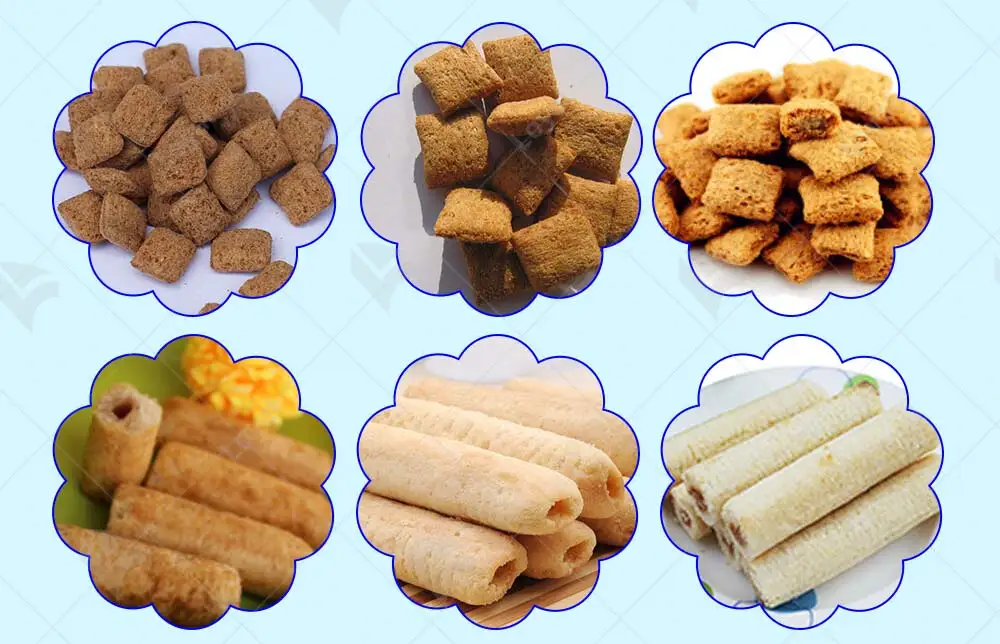
Operational Advantages of Advanced Production Lines
Modern Puffed Snacks Core Filling Making Production Line systems redefine manufacturing efficiency through cutting-edge automation and precision engineering. These lines achieve 30-50% production speed increases by synchronizing core injection with extrusion processes, eliminating bottlenecks in traditional sequential workflows. For instance, advanced twin-screw extruders paired with servo-driven filling pumps ensure simultaneous dough puffing and flavor core deposition, reducing cycle times while maintaining structural integrity in products like cheese-filled corn puffs or chocolate-centered rice snacks.
Energy efficiency gains further amplify operational benefits. Closed-loop recycling systems capture and repurpose excess core materials—such as fruit purees or savory pastes—minimizing waste and lowering raw material costs by up to 25%. Coupled with variable frequency drives (VFDs) that optimize motor speeds during low-demand periods, manufacturers report 40% reductions in energy consumption compared to legacy equipment. This not only cuts operational expenses but also aligns with sustainability targets critical for modern food processing facilities.
Scalability remains a cornerstone advantage. Modular production line designs allow seamless transition from artisanal batch production (e.g., 50–100 kg/hour for niche markets) to 24/7 industrial-scale manufacturing exceeding 2,000 kg/hour. Quick-release components and tool-less changeover mechanisms reduce downtime between product runs, enabling manufacturers to adapt to fluctuating demands for seasonal flavors or regional snack preferences. A European snack producer, for example, achieved a 200% output increase after integrating a smart production line, meeting holiday surge demands without expanding its factory footprint.
Compliance with global food safety standards is hardwired into advanced systems. Hygienic design principles—such as crevice-free stainless-steel surfaces, automated clean-in-place (CIP) protocols, and real-time microbial monitoring—ensure adherence to HACCP, BRC, and FDA regulations. Laser-etched component tagging and digital twin simulations further streamline audits, reducing validation timelines by 60% and minimizing human error in documentation.
Finally, predictive maintenance powered by IoT sensors anticipates equipment failures before they occur. Vibration analysis on extruder bearings, temperature tracking of filling reservoirs, and pressure monitoring in cutting dies generate actionable data via cloud-based dashboards. This proactive approach extends equipment lifespan by 30% and slashes unplanned downtime costs, solidifying the Puffed Snacks Core Filling Making Production Line as a cornerstone of competitive snack manufacturing.
Future Trends Shaping the Puffed Snacks Production Landscape
The Puffed Snacks Core Filling Making Production Line is evolving rapidly, driven by technological innovation and shifting consumer demands. One of the most transformative trends is the integration of 3D food printing into core filling systems. This technology enables manufacturers to create intricate core geometries—such as layered flavor gradients or swirl patterns—that were previously impossible with traditional extrusion methods. For example, a leading snack brand recently unveiled a limited-edition product featuring a spiral-filled core made from alternating layers of caramel and sea salt, achieved through precision deposition nozzles calibrated to micron-level accuracy. Such advancements not only enhance visual appeal but also unlock new textural experiences, appealing to consumers seeking novelty in premium snack categories.
Another pivotal shift is the rise of edible packaging innovations. Startups are experimenting with core filling materials that double as protective coatings, extending shelf life while reducing plastic waste. Imagine a cheese-filled puff where the core itself forms a biodegradable barrier against moisture, eliminating the need for external packaging. This aligns with the industry’s growing focus on sustainability, as Puffed Snacks Core Filling Making Production Line designers adopt circular economy principles. Modular equipment architectures now allow easy disassembly for recycling, while AI-driven predictive maintenance minimizes resource consumption by optimizing component lifespans.
Plant-based core formulations are also reshaping production priorities. With 45% of consumers actively seeking plant-based snacks, manufacturers are investing in high-pressure processing (HPP) and shear cell technologies to replicate the creamy textures of dairy-filled cores using alternatives like oat milk or almond paste. Advanced production lines now include steam-jacketed holding tanks that maintain precise temperature profiles, ensuring plant-based fillings retain their viscosity during puffing. This adaptability is critical for serving niche markets, such as vegan-certified snack lines or halal/kosher-compliant products.
Looking ahead, the Puffed Snacks Core Filling Making Production Line will become a hub for Industry 4.0 connectivity. Blockchain-enabled supply chain modules will track core ingredients from farm to filler, enhancing transparency for health-conscious buyers. Meanwhile, digital twin simulations allow engineers to test hypothetical scenarios—like switching from sugar-based to sugar-free cores—in virtual environments before physical implementation. These digital tools reduce R&D timelines by up to 70%, accelerating time-to-market for trend-responsive products.
Finally, the convergence of precision fermentation and core filling technology promises revolutionary possibilities. Imagine snack cores infused with probiotics grown via microbial cultures, delivering functional benefits without compromising taste. Early adopters are already retrofitting their production lines with aseptic filling chambers to accommodate live cultures, positioning themselves as pioneers in the wellness-driven snack sector. As these trends unfold, the Puffed Snacks Core Filling Making Production Line will remain central to redefining convenience food—blending artistry, sustainability, and cutting-edge engineering.
Conclusion: The Strategic Imperative of Modernizing Production Lines
In an era where consumer preferences shift rapidly and sustainability dominates industrial agendas, the Puffed Snacks Core Filling Making Production Line emerges as a transformative asset for snack manufacturers. Beyond mere efficiency gains, these systems represent a strategic pivot toward agility, innovation, and resilience. By integrating precision engineering with Industry 4.0 capabilities, manufacturers gain the power to prototype new products in days—not weeks—and scale production without compromising quality.
The competitive edge lies in balancing technological sophistication with operational pragmatism. Advanced lines not only deliver 30-50% faster throughput but also future-proof facilities against regulatory pressures and energy cost volatility. For instance, hybrid systems combining electric extruders with on-site solar integration reduce dependency on fossil fuels, appealing to eco-conscious consumers and corporate sustainability targets alike.
Moreover, the Puffed Snacks Core Filling Making Production Line acts as a catalyst for product diversification. From layered dessert puffs to nutrient-fortified breakfast snacks, the technology enables brands to capture emerging trends without overhauling infrastructure. This adaptability is critical in markets where 60% of consumers prioritize novelty and health-conscious formulations.
Ultimately, the decision to modernize transcends ROI calculations. It is a declaration of industry leadership, signaling to retailers, investors, and talent that a manufacturer prioritizes cutting-edge solutions. As snack cultures evolve globally, the production line evolves alongside them—a testament to the symbiotic relationship between mechanical innovation and culinary creativity. For those yet to upgrade, the message is clear: the future of puffed snacks is being extruded, filled, and packaged today.
Reference
Here are five authoritative foreign websites related to industrial food machinery, along with their URLs:
1.ThomasNet
Website: https://www.thomasnet.com
2.MachineryTrader
Website: https://www.machinerytrader.com
3.Food Engineering:https://www.foodengineeringmag.com
4.Pack Expo:https://www.packexpo.com
5.DirectIndustry:https://www.directindustry.com