



A Comprehensive Guide to Instant Noodle Production Lines and Their Machines
If you want to know more story about LOYAL brand, here can help you - https://www.facebook.com/foodmachineloyal
Introduction to Instant Noodle Production Lines
Overview of the Instant Noodle Industry
Instant noodles have become a global phenomenon, thanks to their affordability, convenience, and long shelf life. According to recent reports, the global instant noodle market is projected to exceed $60 billion by 2025, with Asia being the largest market. The popularity of instant noodles has led to significant developments in the manufacturing process, particularly in automation and machine-based production. Instant noodle production lines have become the backbone of large-scale noodle manufacturing, allowing for mass production that maintains consistent quality and meets the increasing demand.
The instant noodle industry has experienced rapid growth due to various factors. Changing lifestyles, increased urbanization, and the desire for quick, affordable meals have all contributed to the rise in consumption. The traditional method of making noodles by hand is no longer sufficient to meet the vast demand, which is why instant noodle production lines and advanced machinery are indispensable.
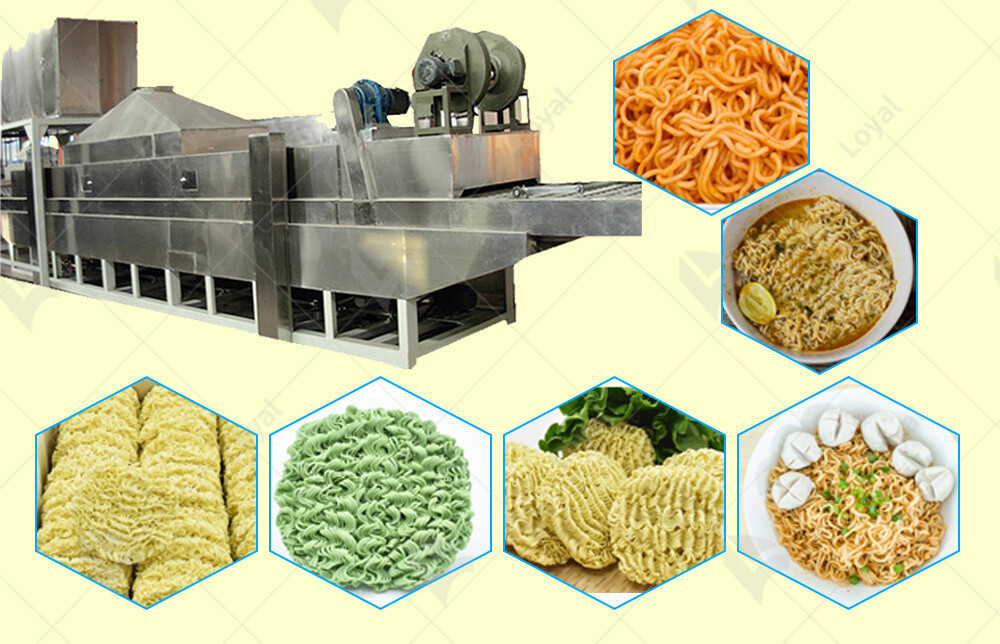
The Importance of Automated Instant Noodle Production Lines
Automating the production of instant noodles has allowed manufacturers to achieve higher production volumes, better consistency, and reduced labor costs. Automated production lines have revolutionized noodle manufacturing by providing greater precision, ensuring that each noodle packet is identical in shape, texture, and flavor. This consistency is critical for brand recognition and customer satisfaction.
Automation also helps manufacturers optimize resource use. By reducing the need for manual labor, companies can cut down on costs and minimize human errors, leading to more reliable and efficient production processes. Furthermore, automated systems allow for 24/7 production, which helps meet global demand without sacrificing quality.
Brief Introduction to the Instant Noodle Manufacturing Process
The production of instant noodles is a complex process involving several stages, each requiring specialized machinery. From the preparation of the dough to the packaging of the final product, modern instant noodle production lines use advanced machines to ensure that the noodles are produced efficiently and with high quality.
The typical manufacturing process includes the following steps:
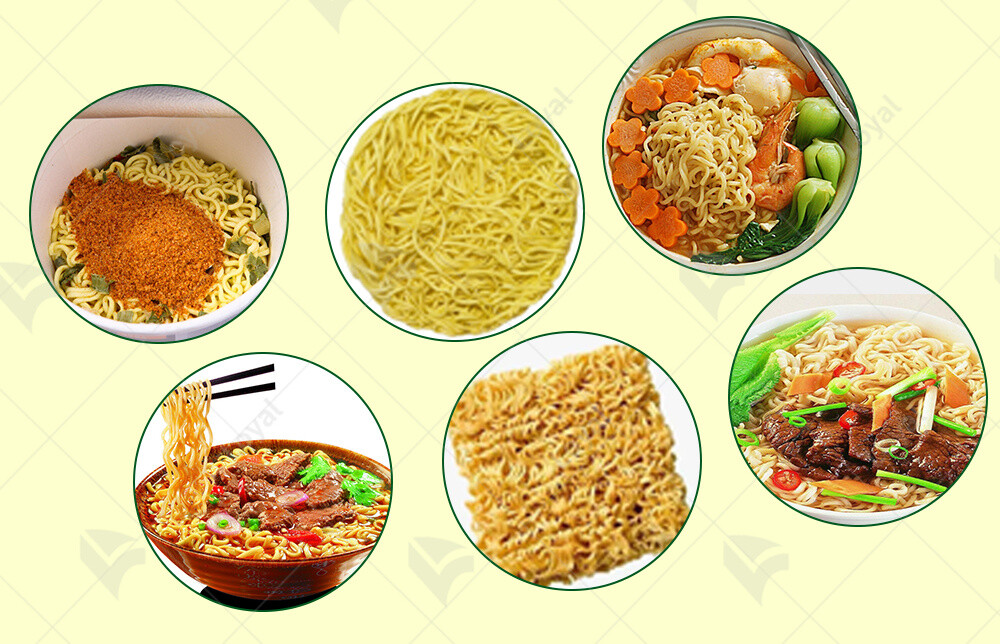
Dough preparation – The flour and water are mixed into a dough that forms the base of the noodles.
Shaping – The dough is then flattened, cut into strips, and shaped.
Frying or steaming – This step ensures that the noodles are cooked and prepared for packaging.
Cooling and drying – To preserve shelf life, the noodles are cooled and dried.
Packaging – The final step involves packaging the noodles for sale.
Each of these steps relies on specialized equipment to ensure the noodles meet the required quality standards.
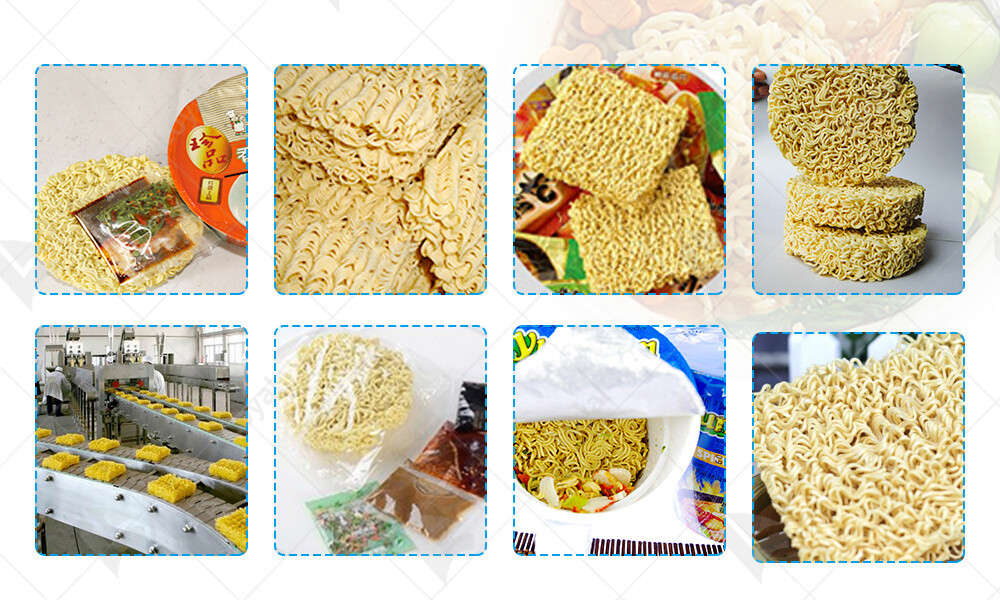
Understanding the Core Machines in Instant Noodle Production
The Noodle Making Machine
Theinstant noodle making machine is the heart of the instant noodle production line. This machine is responsible for mixing the raw ingredients, kneading the dough, and shaping it into noodle sheets. It ensures the dough has the right texture and consistency before it is cut and fried.
Role in Production: The noodle-making machine mixes the flour, water, and other ingredients like salt and oil to create the dough. The dough is then kneaded and passed through rollers to create thin sheets, which are then cut into noodle strands. The size and thickness of the noodles can be adjusted by altering the settings on the machine.
Key Features and Functionalities: Modern noodle-making machines are highly versatile and can be adjusted to produce different types of noodles, such as thick or thin, straight or curly, depending on market demand. They are also equipped with automatic dough-feeding systems, which ensure a steady and consistent flow of ingredients into the machine, reducing human error.
Types of Noodle Machines: The primary types of machines involved in noodle-making are dough kneading machines, dough sheeters, and cutting machines. Dough kneading machines mix the flour and water, while dough sheeters flatten the dough into thin sheets. The cutting machines then slice the sheets into noodles of the desired length and shape.
Frying Machines for Instant Noodles
One of the defining characteristics of many instant noodles production line is their frying process, which helps to enhance their flavor, texture, and shelf life. Frying machines are used to deep-fry the noodles in hot oil, giving them a crispy texture that is rehydrated when hot water is added.
How Frying is Done:Frying in instant noodle production lines typically takes place in continuous fryers or batch fryers. In continuous fryers, the noodles are continuously fed through a stream of hot oil, while batch fryers are used for smaller production runs. The noodles are submerged in the hot oil, which reduces their moisture content and crisps them up.
Importance of Oil Frying:The frying process is crucial for several reasons. It imparts a unique texture and flavor to the noodles and increases their shelf life. The process also prevents the noodles from becoming stale or soggy during storage and transport. Furthermore, frying helps to preserve the nutritional content of the noodles.
Instant Noodle Frying Process Flow
Step | Description | Time/Temperature |
Preheating | Heating oil to the optimal temperature | 180-200°C |
Frying | Noodles are submerged in oil for frying | 3-5 minutes |
Draining | Excess oil is drained from the noodles | 1 minute |
Cooling | Cooling the noodles to room temperature | 10-15 minutes |
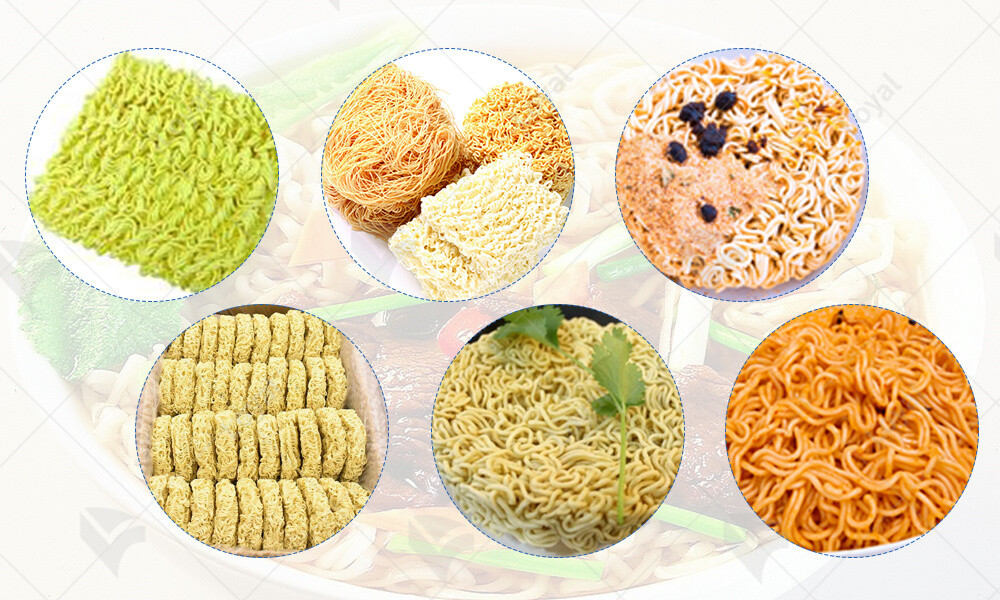
Boiling and Steaming Equipment
Not all instant noodles are fried. Many manufacturers offer non-fried instant noodles, which undergo a different cooking process. These noodles are steamed or boiled to cook the dough and prepare it for packaging.
Role in Noodle Production:In boiling and steaming, the noodles are immersed in hot water or exposed to steam, which softens the dough and ensures it cooks evenly. Steamed noodles are typically more delicate and tender compared to their fried counterparts.
Differences Between Fried and Non-Fried Noodles: Fried noodles have a crispy texture and long shelf life due to the oil frying process, while steamed noodles are softer and retain more moisture. Both methods have their advantages, and the choice depends on the type of noodle and consumer preferences.
Boiling and Steaming Machines:The equipment used for steaming or boiling noodles typically includes large steamers or immersion tanks. These machines are designed to handle high volumes of noodles and ensure they cook evenly.
Cooling and Drying Systems
After frying or steaming, the noodles need to be cooled and dried to ensure they are stable for long storage. Cooling and drying systems help to prevent spoilage and maintain the noodles’ texture and flavor.
Need for Cooling and Drying:Cooling is crucial to prevent the noodles from becoming soggy after frying or steaming. Drying further reduces moisture content, which helps preserve the noodles and ensures they stay fresh for a longer time.
Types of Cooling and Drying Machines:There are several types of cooling systems, such as air cooling, water cooling, and vacuum cooling. Drying can be done using air dryers, tunnel dryers, or rotary dryers, depending on the noodle type and production requirements.
Noodle Cooling and Drying Systems
System Type | Description | Application |
Air Cooling | Uses air flow to cool noodles quickly | For crispy noodles |
Vacuum Cooling | Low-pressure cooling to reduce moisture | For tender noodles |
Rotary Drying | Rotating drum for even drying | For all types of noodles |
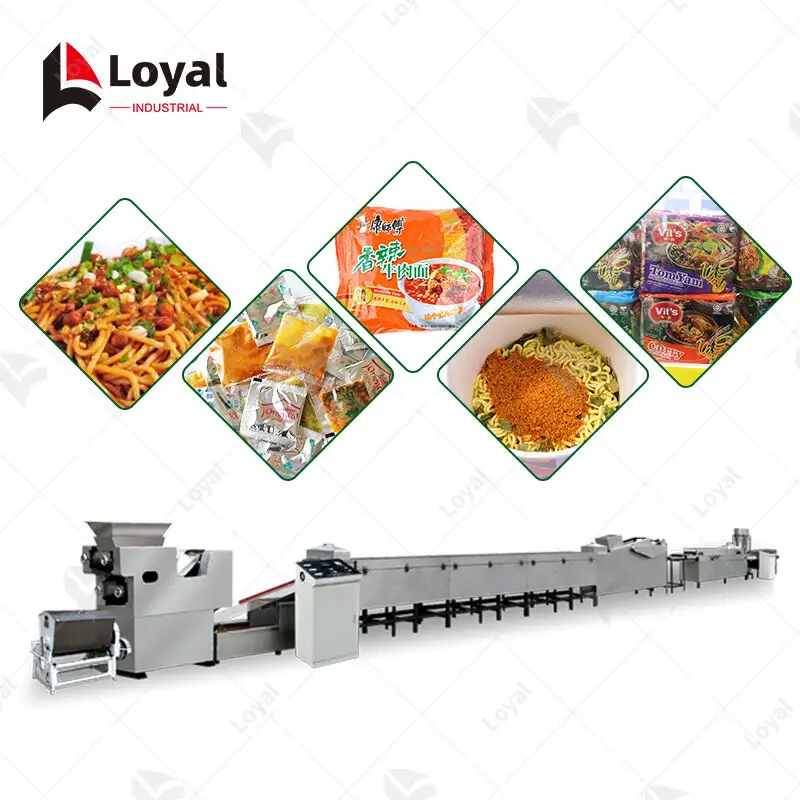
The Complete Process Flow of Instant Noodle Production Lines
Raw Material Preparation
The quality of the final product starts with the raw materials. The main ingredients for making instant noodles are wheat flour, starch, water, salt, and oil. Additives such as flavorings, preservatives, and colorants may also be included, depending on the recipe and desired characteristics of the noodles.
Sourcing and Mixing: Flour and other dry ingredients are carefully measured and mixed with water to create a dough. The quality of the flour and the consistency of the dough are critical in determining the final texture and flavor of the noodles.
Quality Control Measures:Raw materials undergo stringent quality control checks to ensure they meet specific standards. This includes testing flour for protein content, gluten strength, and moisture levels. By using high-quality ingredients, manufacturers can ensure that the end product maintains a consistent texture and taste.
Production Line Layout and Workflow
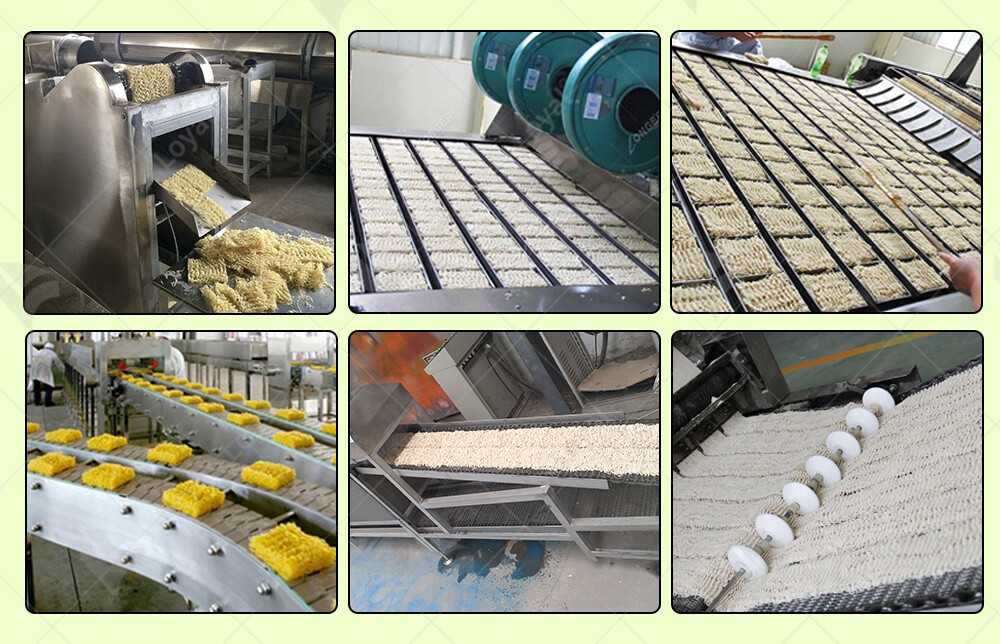
The layout of the instant noodle production line is designed to optimize space and maximize efficiency. A typical production line will have separate sections for dough preparation, noodle shaping, frying or steaming, cooling, and packaging.
Step-by-Step Process:The dough is mixed and kneaded, followed by rolling, cutting, frying or steaming, cooling, and packaging. Automated systems control the flow of the product through each step, reducing human error and ensuring that production runs smoothly.
Automation in the Production Line:Automated machines reduce the need for human intervention and allow for continuous operation. Automation enhances efficiency and ensures that every batch of noodles is produced with the same high quality.
Packaging Machines for Instant Noodles
Once the noodles are cooked and cooled, they are packaged for distribution. Packaging machines play a critical role in protecting the noodles during transport and ensuring they reach consumers in perfect condition.
Types of Packaging Machines:Packaging machines come in various forms, including bagging machines for bulk noodles and cup-filling machines for single-serve portions. Both types are designed to handle large volumes of product quickly and efficiently.
Packaging Material Considerations: Packaging materials are chosen to protect the noodles from moisture, air, and contaminants. Most noodles are packaged in plastic, which provides a barrier to oxygen and moisture, ensuring freshness.
Advantages of Modern Instant Noodle Machines and Production Lines
Increased Efficiency and Productivity
Modern instant noodle making machines have significantly increased the efficiency of production lines. With the use of advanced technology, these machines can handle high production volumes while maintaining high quality. By automating tasks such as dough mixing, cutting, and frying, manufacturers can meet the global demand for instant noodles without sacrificing quality or efficiency.
Reducing Labor and Error Rates: Automation eliminates the need for manual labor, reducing errors and ensuring that each batch of noodles meets the same high standard.
Consistency and Quality Control
Maintaining consistency in taste, texture, and size is critical for brand recognition in the instant noodle market. Modern machines are equipped with sensors that monitor every stage of production.
Advanced Monitoring:These sensors help monitor the thickness, color, and quality of noodles in real-time, ensuring that only noodles that meet strict quality standards are allowed to continue through the production process.
Energy Efficiency and Cost-Effectiveness
Modern production lines are designed to minimize energy consumption, making them more cost-effective in the long run.
By using energy-efficient machines and reducing the reliance on manual labor, manufacturers can lower production costs and improve profitability.
Challenges and Future of Instant Noodle Production Lines
Challenges in Manufacturing
Despite the advantages of automation, there are still challenges in the instant noodle production line industry. Sourcing consistent raw materials, managing machine breakdowns, and dealing with fluctuations in demand are just a few of the obstacles that manufacturers face.
Technological Innovations and Trends
Emerging technologies, such as AI, robotics, and machine learning, are shaping the future of instant noodle production lines.
1.AI and Robotics: AI-powered systems are expected to play an increasing role in controlling production processes, reducing human error, and improving efficiency. Robotics will further automate the packaging process, allowing for even greater efficiency.
2.Sustainability:As environmental concerns grow, manufacturers are focusing on reducing waste, using sustainable energy sources, and adopting eco-friendly packaging materials.
Conclusion: The Future of Instant Noodle Production Lines
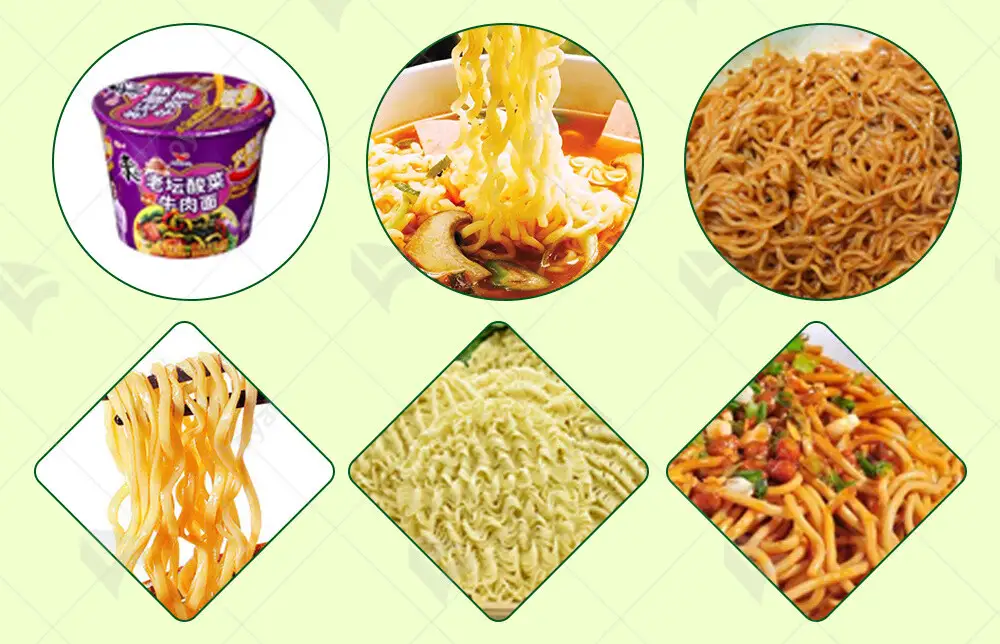
As global demand for instant noodles continues to rise, instant noodle making machinesare evolving to meet these needs. Automation, technological innovations, and sustainability will be key drivers of the industry’s future. To stay competitive,manufacturers will need to adapt to consumer preferences for healthier, more convenient, and diverse products.
Automation Enhancing Efficiency and Consistency
Automation is at the heart of modern instant noodle production lines. Advanced machinery reduces labor costs, speeds up production, and ensures consistent product quality. From mixing dough to shaping and packaging noodles, automated systems ensure precision and uniformity. As technology advances, production lines will become even more efficient, with real-time adjustments based on data, further optimizing speed and quality.
Technological Innovation: AI and Robotics
The integration of AI and robotics will play an increasingly important role in the future of noodle production. AI will monitor and adjust the production process to ensure high quality, reducing the risk of defects. Machine learning and big data will enable continuous optimization of the production process.
Robotics, especially in packaging, will speed up production and reduce human error. Robotic systems will ensure accurate packaging, helping manufacturers meet growing demand while maintaining consistent quality.
Reference
The following are five authoritative foreign literature websites in the field of Industrial food machinery:
1. Food Engineering Magazine
Website: https://www.foodengineeringmag.com/
2.Food Processing Magazine
Website: https://www.foodprocessing.com/
3.Journal of Food Engineering
Website:https://www.journals.elsevier.com/journal-of-food-engineering
4. Food Manufacturing Magazine
Website:https://www.foodmanufacturing.com/
5. International Journal of Food Science & Technology
Website:https://onlinelibrary.wiley.com/