



Everything you Need to Know About Baby Food Machine
Introduction to Baby Food Machines
A baby food machine is a specialized device designed to simplify the process of preparing nutritious meals for infants and toddlers. These machines cater specifically to the needs of parents who prefer homemade baby food over commercially processed options. They offer convenience, efficiency, and the ability to control ingredients, ensuring babies receive wholesome meals tailored to their nutritional requirements.
Baby food machines come in various types, including manual and electric models. Manual machines typically require more effort but are simpler in design and operation, making them suitable for parents who prefer a hands-on approach. On the other hand, electric baby food machines automate much of the food preparation process, offering features like steaming, blending, and sometimes even reheating or defrosting functions.
The primary function of a baby food machine is to process raw fruits, vegetables, meats, and grains into purees or soft textures suitable for young children. This ensures that babies receive food that is free from additives, preservatives, and excess sugars commonly found in commercial baby foods. By using a baby food machine, parents can introduce a variety of flavors and textures to their child's diet while maintaining control over the ingredients used.
From a safety perspective, modern baby food machines prioritize features such as BPA-free materials, secure locking mechanisms, and automatic shut-off functions to prevent accidents and ensure peace of mind for caregivers. Cleaning and maintenance are also essential considerations, as these machines often consist of detachable parts that require thorough cleaning after each use to maintain hygiene standards.
Baby food machines play a vital role in modern parenting by offering a convenient and healthy alternative to store-bought baby food. They empower parents to provide their infants with nutritious meals tailored to their dietary needs, fostering healthy eating habits from an early age. As technology advances, these machines continue to evolve, incorporating new features and functionalities that further enhance their usability and effectiveness in the kitchen.
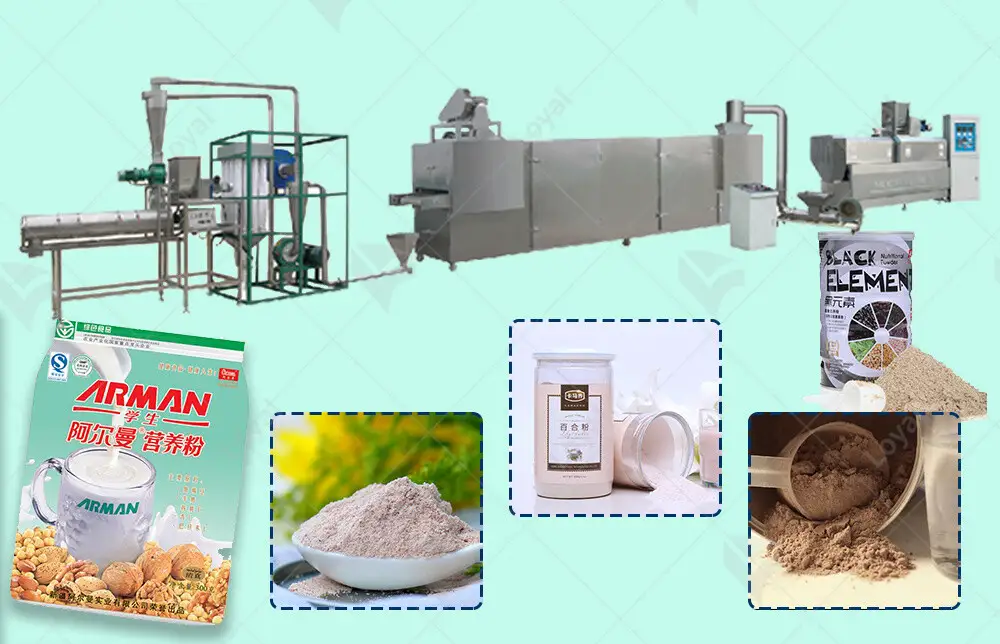
Types of Baby Food Machines
| Type | Description | Key Features | Examples of Use Cases |
| Manual Baby Food Machine | Operated by hand, no electricity needed | Portable, easy to clean, cost-effective | Small batches, travel, outdoor use |
| Electric Baby Food Machine | Requires electricity, automates the process | Time-saving, consistent results, multifunctional | Large batches, busy parents, home use |
| Steamer and Blender Combo | Steams and blends food in one device | All-in-one, preserves nutrients, convenient | Steaming vegetables, blending fruits, meal prep |
| Food Processor | Versatile machine for chopping, blending, and pureeing | High power, large capacity, multifunctional | Making purees, chopping ingredients, versatile use |
| Blender | Specifically designed for blending food into smooth purees | High speed, smooth texture, easy to use | Smoothies, purees, soups |
| Grinder | Grinds food into smaller pieces | Coarse or fine grinding, durable, easy maintenance | Grinding meats, nuts, grains |
| Masher | Simple tool for mashing soft foods | Handheld, easy to use, affordable | Mashing fruits, vegetables, potatoes |
| Portable Baby Food Maker | Compact and lightweight for on-the-go use | Battery-operated, compact design, easy transport | Travel, outdoor activities, quick meals |
| Multipurpose Baby Food Maker | Combines multiple functions like blending, steaming, and grinding | Versatile, space-saving, efficient | Complete meal preparation, diverse recipes |
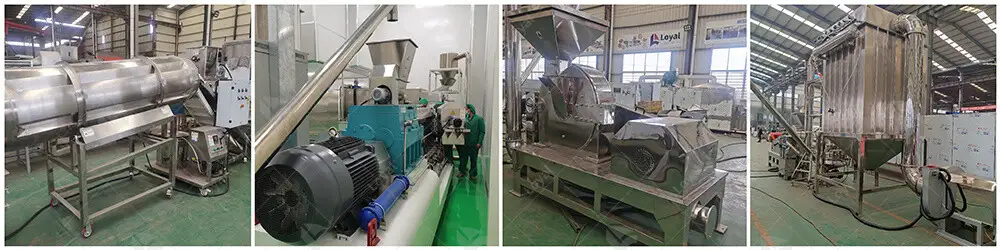
| Commercial Baby Food Machine | Industrial-grade machine for large-scale baby food production | High capacity, durable, efficient | Baby food manufacturers, large daycare centers |
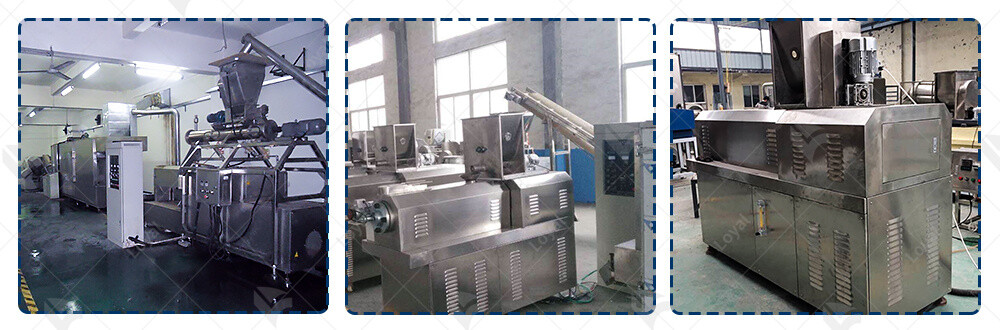
Benefits of Using a Baby Food Machine
Using a baby food machine provides numerous benefits, particularly in the context of industrial food machinery. One of the primary advantages is the ability to produce consistent, high-quality baby food in large quantities. Industrial baby food machines are designed to ensure uniformity in texture and flavor, which is essential for maintaining product standards. This consistency is crucial for brands looking to build trust and loyalty among consumers.
Another significant benefit of using a baby food machine is the efficiency it brings to the production process. These machines are engineered to handle large-scale production, significantly reducing the time and labor required compared to manual methods. The automation capabilities of a baby food machine streamline various stages of production, such as steaming, blending, and packaging. This efficiency not only boosts productivity but also helps in reducing operational costs.
Hygiene and safety are paramount in the production of baby food. Industrial baby food machines are constructed with materials and designs that meet stringent health and safety regulations. They often include features such as easy-to-clean surfaces, sealed components, and automated cleaning cycles. By ensuring that every aspect of the machine is sanitary, manufacturers can minimize the risk of contamination and provide safe, nutritious food for infants.
Lastly, the use of a baby food machine allows for innovation and flexibility in product development. Manufacturers can experiment with different recipes, ingredients, and textures to meet the evolving demands of parents and infants. The advanced functionalities of a baby food machine, such as precise temperature control and customizable settings, enable the creation of a wide variety of baby food products. This versatility is crucial for staying competitive in the market and catering to diverse consumer preferences.
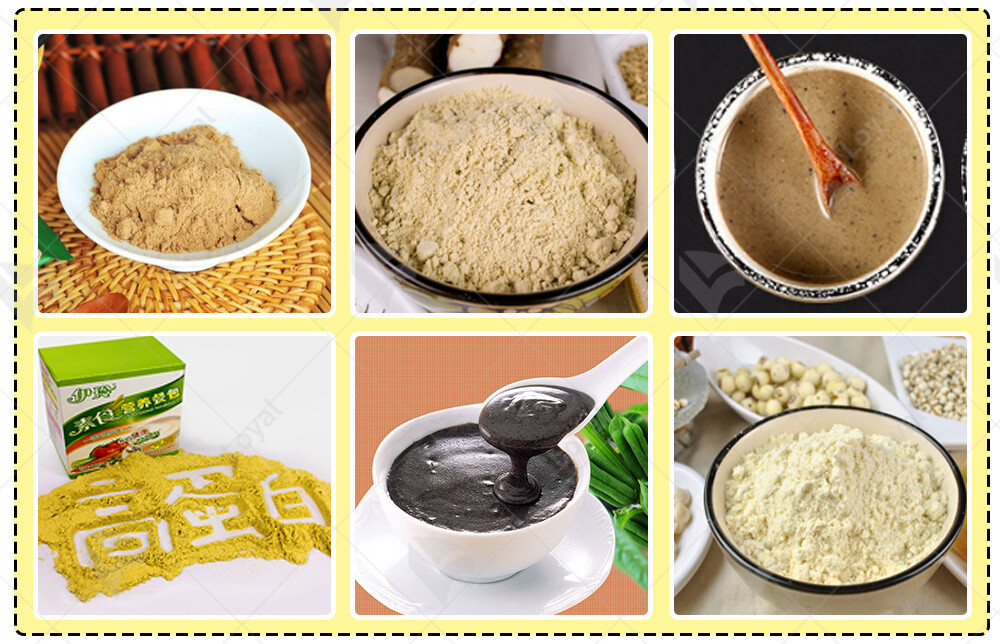
Cleaning and Maintenance of Baby Food Machines
Cleaning and maintenance of baby food machines are essential to ensure their longevity and the safety of the food produced. Proper care of a baby food machine involves several steps that help maintain its functionality and hygiene. Regular cleaning prevents the buildup of food residues and bacteria, ensuring that the machine continues to operate efficiently.
To start, disassemble the baby food machine after each use. Most machines have removable parts that can be easily taken apart for thorough cleaning. Pay attention to the blades, containers, and any other components that come into direct contact with food. Use warm, soapy water to wash these parts, and ensure they are completely dry before reassembling. This practice helps prevent any bacterial growth that could occur from leftover moisture.
The motor base of the baby food machine should never be submerged in water. Instead, use a damp cloth to wipe down the exterior and remove any food splatters or spills. If the machine has crevices or hard-to-reach areas, a small brush or toothpick can be used to clean these spots effectively. Maintaining the cleanliness of the motor base is crucial for the machine's electrical safety and operational efficiency.
In addition to regular cleaning, it’s important to perform routine maintenance on the baby food machine. Check the blades for any signs of wear or damage, as dull blades can affect the machine’s performance. If the machine comes with a filter or other replaceable parts, follow the manufacturer's guidelines on when and how to replace them. Regular maintenance ensures that the baby food machine remains in good working condition and continues to produce high-quality baby food.
Lastly, always follow the manufacturer’s instructions regarding the cleaning and maintenance of the baby food machine. Each model may have specific requirements or recommendations to keep it running smoothly. Proper care not only extends the life of the machine but also ensures the safety and quality of the food it produces. Regularly maintaining your baby food machine will provide peace of mind, knowing that it is always ready for use.

Choosing the Right Baby Food Machine for Your Needs
When choosing the right baby food machine for your needs, it is essential to consider the specific requirements of your production process. Industrial baby food machines come in various types, each designed to handle different volumes and functionalities. Understanding the key features and capabilities of each type will help you make an informed decision that best suits your needs.
Firstly, assess the volume of baby food you need to produce. For small-scale operations, a compact and versatile baby food machine may be sufficient. These machines are designed to handle smaller batches efficiently while maintaining high quality. On the other hand, larger industrial baby food machines are built for mass production, capable of processing significant quantities of baby food in a shorter time. These machines are ideal for large-scale manufacturers looking to meet high market demands.
Secondly, consider the functionalities required in your baby food machine. Some machines are designed to perform multiple tasks, such as steaming, blending, and packaging. These multifunctional machines streamline the production process, reducing the need for additional equipment and labor. Alternatively, you might need a specialized baby food machine that focuses on a single task but does it exceptionally well. Evaluating your production goals and capabilities will help determine the most suitable option.
Thirdly, prioritize the ease of use and maintenance of the baby food machine. Industrial food machinery can be complex, so selecting a machine with user-friendly controls and straightforward maintenance procedures is crucial. Machines with automated features, such as self-cleaning and programmable settings, can significantly reduce downtime and increase productivity. Ensuring that your team can efficiently operate and maintain the machine will contribute to a smooth production process.
Lastly, consider the safety and compliance standards of the baby food machine. Industrial baby food machines must adhere to strict regulations to ensure the safety and quality of the final product. Look for machines made from food-grade materials and equipped with safety features such as automatic shut-off and overload protection. Compliance with industry standards and certifications is vital to avoid potential legal issues and maintain consumer trust.
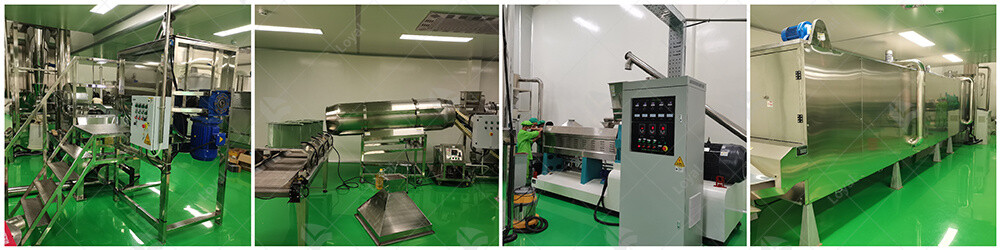
Baby Food Machine Safety Tips
When it comes to the use of a baby food machine, safety is paramount. Ensuring the machine is used correctly and maintained properly can prevent accidents and ensure the food produced is safe for consumption. Below are essential safety tips to consider when using a baby food machine.
One of the first safety tips for using a baby food machine is to ensure that all components that come into contact with food are made from BPA-free materials. Bisphenol A (BPA) is a chemical used in the production of certain plastics and resins, which can leach into food and pose health risks. Therefore, selecting a baby food machine with BPA-free parts ensures that your baby's food is free from harmful chemicals, making it safer for their consumption.
Another crucial safety feature to look for in a baby food machine is secure locking mechanisms. These mechanisms prevent the machine from operating unless all parts are correctly assembled and locked into place. This feature helps to avoid accidental operation, which can lead to spills, injuries, or damage to the machine. Always check that your baby food machine has these safety locks and use them every time you operate the machine.
An automatic shut-off function is an essential safety feature for any baby food machine. This function ensures that the machine turns off automatically when it has completed its task or if it overheats. Overheating can cause damage to the machine and potentially start a fire. By choosing a baby food machine with an automatic shut-off feature, you can prevent such risks and ensure the appliance operates safely within its intended parameters.
Regular cleaning and maintenance are vital to ensure the safe operation of a baby food machine. Food residues can harbor bacteria and mold, which can contaminate the baby food and pose health risks. After each use, thoroughly clean all parts of the machine that come into contact with food. Additionally, perform regular maintenance checks to ensure all components are in good working condition and replace any worn-out parts promptly. This practice not only extends the lifespan of the baby food machine but also ensures the food produced is safe for your baby to consume.
Troubleshooting Common Baby Food Machine Issues
When dealing with a baby food machine, it's essential to understand some common issues that might arise and how to troubleshoot them effectively. One frequent problem is the machine not starting. This can often be attributed to improper assembly. Ensure all parts are correctly aligned and securely locked into place. Additionally, check if the power cord is properly plugged in and if the outlet is functional. Sometimes, a tripped circuit breaker might be the culprit, so verify that as well. Regular maintenance and cleaning can prevent many startup issues.
Another common issue is the baby food machine not blending food properly. This can result from overloading the machine or using inappropriate food types. It's crucial to follow the manufacturer's guidelines regarding the maximum capacity and suitable foods for processing. If the blades are dull, they might not blend efficiently. Regularly inspect and sharpen or replace the blades as needed. Ensuring that the food pieces are cut into smaller chunks before placing them in the machine can also improve blending performance.
Leakage is another problem that can occur with a baby food machine. This is often caused by improper sealing or damaged gaskets. Check that all seals and gaskets are in good condition and correctly positioned. If they appear worn or damaged, replace them promptly. Overfilling the machine can also lead to leakage, so always adhere to the recommended capacity. Additionally, ensure that all parts are tightly assembled and locked into place before operation.
Finally, if the baby food machine is making unusual noises or vibrations, it might be due to loose parts or imbalanced food placement. Inspect the machine to ensure all parts are securely fastened. If the noise persists, it could indicate a mechanical issue, such as a worn motor or bearings, which may require professional repair or replacement. Regularly maintaining and servicing the baby food machine can help prevent these issues and ensure its optimal performance.
In conclusion, troubleshooting common issues with a baby food machine involves checking for proper assembly, avoiding overloading, inspecting seals and gaskets, and ensuring all parts are securely fastened. By addressing these aspects, you can maintain the efficiency and longevity of your baby food machine.
References
1.Food Processing Technology - www.foodprocessing-technology.com
2.Food Engineering Magazine - www.foodengineeringmag.com
3.ProFood World - www.profoodworld.com
4.Food Manufacturing - www.foodmanufacturing.com
5.International Society of Automation (ISA) - www.isa.org