



Everything You Need To Know Aboutnutrition powder baby rice powder process line
Significance of automation in nutrition powder baby rice powder process lines
Automation plays a pivotal role in revolutionizing the production of nutrition powder and baby rice powder. This section examines the critical significance of automated systems in enhancing efficiency, quality, and sustainability in food machinery.
1. Enhanced Production Efficiency
Automated process lines significantly boost production efficiency in nutrition powder and baby rice powder manufacturing. By replacing manual labor with precision-controlled machinery, manufacturers achieve higher output rates and consistent product quality. Automated systems streamline processes such as mixing, granulation, drying, and packaging, minimizing downtime and maximizing production uptime.
2. Improved Product Quality
Consistency and uniformity are paramount in food production, especially in nutrition powder and baby rice powder manufacturing. Automated systems ensure precise ingredient measurements and processing parameters, eliminating variations that may affect product quality. Quality control measures integrated into automated lines detect deviations early, maintaining product integrity and meeting stringent quality standards.
3. Cost Efficiency
While initial investments in automation may seem substantial, the long-term cost benefits are significant. Automated systems reduce labor costs associated with manual operation and minimize material wastage through optimized production processes. Energy-efficient technologies and predictive maintenance protocols further lower operational expenses, enhancing overall cost efficiency in manufacturing.
4. Traceability and Compliance
Automation enhances traceability and transparency throughout the production cycle. Advanced data collection and tracking systems trace raw materials from intake to final product, ensuring compliance with regulatory requirements and food safety standards. Automated documentation processes facilitate audit readiness, enabling manufacturers to demonstrate compliance with ease.
5. Scalability and Flexibility
Scalability is essential for adapting to fluctuating market demands in nutrition powder and baby rice powder production. Automated systems offer scalability by adjusting production capacities and process parameters swiftly. Modular automation solutions allow manufacturers to expand or modify production lines without significant disruptions, supporting agile responses to market changes.
6. Safety and Work Environment
Automation promotes a safer work environment by reducing employee exposure to hazardous conditions associated with manual handling and processing. Automated systems incorporate safety features such as interlocks, alarms, and remote monitoring capabilities to prevent accidents and ensure operator well-being. By mitigating risks, manufacturers uphold workplace safety standards and foster a conducive work environment.

Sustainability Practices in Automation
In the rapidly evolving landscape of food machinery, sustainability has become a cornerstone of innovation, particularly in the realm of nutrition powder and baby rice powder process lines. These production systems are pivotal in meeting the growing demand for nutritious infant foods while minimizing environmental impact.
1.Integrating Energy-Efficient Technologies
Modern automation solutions for nutrition powder and baby rice powder process lines prioritize energy efficiency. This includes the adoption of advanced machinery that optimizes energy consumption throughout the production cycle. By utilizing state-of-the-art technologies such as energy-efficient motors and automated shutdown protocols, manufacturers can significantly reduce their carbon footprint.
2.Waste Reduction Strategies
Effective waste management is crucial in sustainable production practices. Automated systems can minimize material waste through precise measurement and dispensing techniques. Additionally, integrated recycling mechanisms ensure that leftover materials are repurposed, thereby reducing overall waste generation and promoting a circular economy model.
3.Environmental Impact Assessments
Before implementing automation solutions, thorough environmental impact assessments are conducted to identify potential ecological risks. This proactive approach allows manufacturers to mitigate adverse effects on local ecosystems and biodiversity. By adhering to stringent environmental regulations and employing eco-friendly production methods, companies can uphold their commitment to sustainability.
Recycling and Waste Reduction Strategies
In the realm of nutrition powder and baby rice powder process lines, optimizing recycling and waste reduction strategies is paramount to achieving sustainability goals. Here, we explore innovative approaches that minimize environmental impact while enhancing operational efficiency.
1.Efficient Material Handling
Effective recycling begins with efficient material handling systems. Automated conveyors and sorting technologies streamline the segregation of recyclable materials from production waste. By automating these processes, manufacturers can ensure that valuable resources are reclaimed and reused, thereby reducing landfill contributions.
2.Closed-Loop Systems
Closed-loop systems represent a pinnacle of sustainability in food machinery. These systems are designed to circulate materials through the production cycle continuously. For instance, by integrating closed-loop water systems and utilizing purified water for multiple production stages, manufacturers conserve resources and mitigate water pollution risks.
3.Waste-to-Energy Conversion
Innovative waste-to-energy conversion technologies transform organic waste generated during production into usable energy sources. This approach not only reduces waste volumes but also contributes to the renewable energy supply chain. Automated systems facilitate the efficient conversion of biodegradable waste into biogas or electricity, supporting sustainable manufacturing practices.
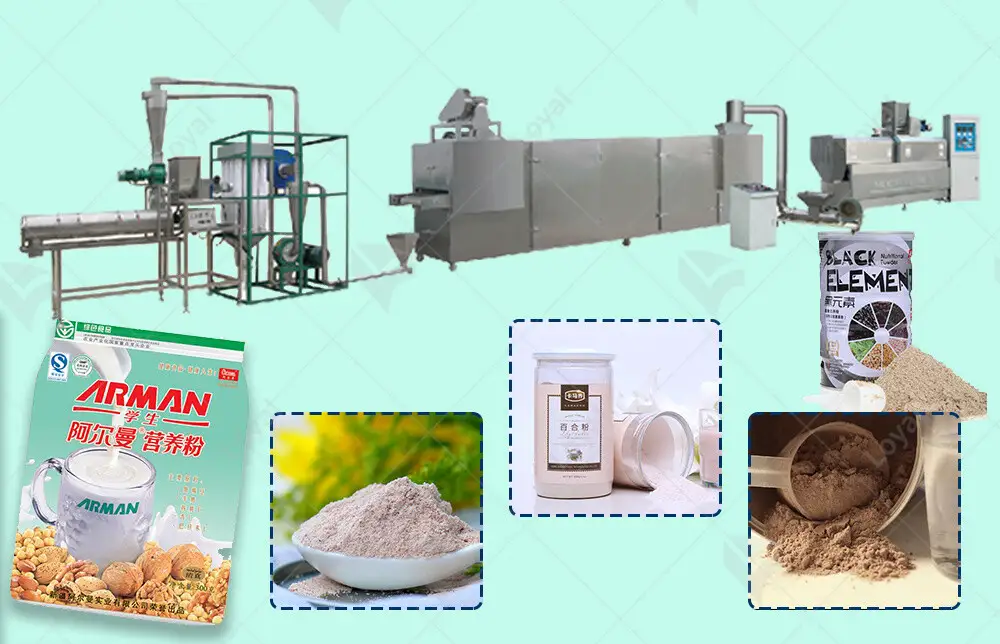
Benefits of Sustainable Automation
Sustainable automation in nutrition powder and baby rice powder process lines offers multifaceted advantages that extend beyond environmental stewardship. This section explores the diverse benefits that manufacturers experience when integrating sustainable practices into automated production systems.
Cost Efficiency and Resource Optimization | One of the primary benefits of sustainable automation is cost efficiency. By optimizing resource usage through energy-efficient technologies and waste reduction strategies, manufacturers can significantly lower operational costs. Automated systems minimize human error and optimize production schedules, further enhancing cost-effectiveness. |
Enhanced Product Quality and Consistency | Automation enhances product quality and consistency in nutrition powder and baby rice powder production. Precise control over manufacturing processes ensures uniform product characteristics, meeting stringent quality standards consistently. This reliability not only satisfies consumer expectations but also strengthens brand reputation in competitive markets. |
Regulatory Compliance and Risk Mitigation | Adherence to stringent environmental regulations is facilitated by sustainable automation practices. By proactively integrating eco-friendly technologies and waste management strategies, manufacturers mitigate regulatory risks and avoid penalties. This proactive approach fosters long-term operational sustainability and strengthens stakeholder trust. |
Improved Workplace Safety and Employee Well-being | Automation minimizes manual labor in hazardous production environments, thereby enhancing workplace safety. By automating repetitive tasks and implementing safety protocols, manufacturers create safer working conditions for employees. This focus on occupational health and safety promotes employee well-being and productivity. |
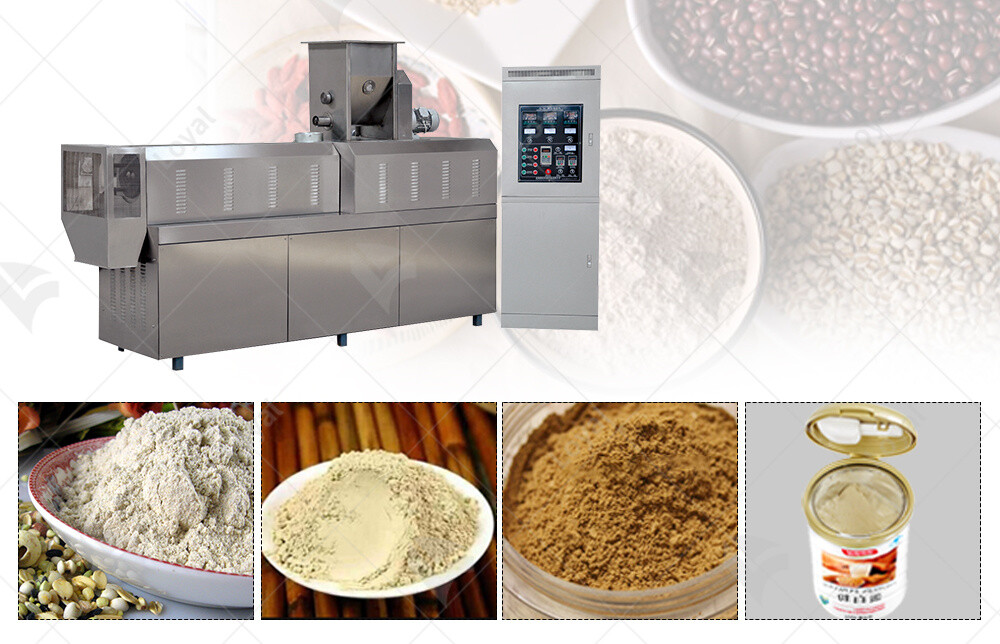
Challenges and Solutions
In the realm of nutrition powder and baby rice powder processing, achieving sustainability through automation poses both challenges and opportunities. This section delves into the primary obstacles faced by manufacturers and the innovative solutions driving sustainable practices forward.
1. Environmental Impact of Traditional Methods
Traditional manufacturing methods often result in significant environmental footprints. High energy consumption, excessive waste generation, and inefficient resource utilization are common issues plaguing conventional production lines.
2. Integration of Automation
The advent of automated technologies offers a promising solution to mitigate these challenges. By automating processes such as mixing, drying, and packaging, manufacturers can streamline operations and reduce energy consumption. Automated systems optimize resource use, minimizing waste and enhancing overall efficiency.
3. Technological Advancements
Advanced automation technologies integrate IoT (Internet of Things) capabilities and AI-driven systems to enhance precision and control. Real-time monitoring and adaptive processing ensure optimal resource allocation and energy efficiency throughout production cycles.
4. Sustainability Initiatives
Leading manufacturers are increasingly adopting sustainable practices. This includes sourcing renewable energy, implementing closed-loop systems for water and waste management, and adhering to eco-friendly packaging solutions. These initiatives not only reduce environmental impact but also resonate with consumers increasingly prioritizing sustainable products.
5. Regulatory Compliance and Safety
Automation in nutrition powder and baby rice powder processing must adhere to stringent regulatory standards. Ensuring compliance with food safety regulations while maintaining production efficiency remains critical. Automated systems, equipped with advanced sensors and quality control mechanisms, play a pivotal role in meeting these standards.
6. Training and Workforce Adaptation
Transitioning to automated processes requires upskilling the workforce to operate and maintain sophisticated machinery effectively. Training programs focused on automation technologies and safety protocols are essential to ensure smooth implementation and operational continuity.

Future Trends in Nutrition Powder Baby Rice Powder Process Lines
The future of automation in nutrition powder and baby rice powder process lines is marked by evolving technologies and shifting industry paradigms. This section explores emerging trends that are shaping the landscape of food machinery towards sustainability and efficiency.
Integration of Artificial Intelligence (AI) | AI-driven technologies are poised to revolutionize food manufacturing. Machine learning algorithms enhance predictive maintenance, optimize production schedules, and improve quality control processes. AI-powered analytics provide real-time insights into production efficiency and resource utilization, driving continuous improvement in automated process lines. |
Smart Manufacturing and IoT Integration | The advent of smart manufacturing ecosystems facilitates seamless connectivity and data exchange across production environments. IoT-enabled sensors and devices monitor equipment performance, environmental conditions, and product quality in real-time. This connectivity enhances decision-making capabilities, minimizes downtime, and supports proactive maintenance strategies. |
Robotics and Automation | Advancements in robotics are enhancing the flexibility and precision of automated process lines. Collaborative robots (cobots) work alongside human operators, performing repetitive tasks with speed and accuracy. Robotics also enable complex assembly and packaging operations, further streamlining production workflows and reducing labor costs. |
Sustainable Packaging Solutions | Consumer demand for sustainable packaging is driving innovations in packaging materials and designs. Automated packaging systems incorporate recyclable materials and biodegradable alternatives, reducing environmental impact throughout the product lifecycle. Smart packaging technologies enhance product traceability and consumer engagement while promoting eco-friendly practices. |
Energy-Efficient Technologies | Continued emphasis on energy efficiency is reshaping the design of automated food machinery. Advanced heating and cooling systems, coupled with energy recovery technologies, optimize energy consumption during processing. Energy-efficient motors and components further reduce operational costs and greenhouse gas emissions, aligning with global sustainability goals. |
Customization and Personalization | Personalized nutrition solutions are gaining traction in the food industry. Automated process lines are increasingly capable of producing tailored nutrition powders and baby rice powders based on individual preferences and dietary requirements. Customization options enhance consumer satisfaction and brand loyalty, driving market differentiation and competitive advantage. |

Call to Action for Industry Stakeholders to Adopt Sustainable Automation
The journey towards sustainability in nutrition powder and baby rice powder process line automation requires collective effort and commitment from industry stakeholders. This section outlines actionable steps and encourages stakeholders to embrace sustainable practices.
1. Embrace Innovation and Collaboration
Stakeholders are encouraged to prioritize innovation in automation technologies that promote sustainability. Collaborative partnerships between manufacturers, technology providers, and research institutions can drive advancements in energy-efficient machinery, waste reduction solutions, and eco-friendly packaging innovations.
2. Invest in Sustainable Infrastructure
Investment in sustainable infrastructure is crucial for scaling up automated production lines while minimizing environmental impact. Stakeholders are urged to allocate resources towards upgrading facilities with state-of-the-art automation systems designed to optimize resource use and enhance operational efficiency.
3. Educate and Empower Workforce
Educating the workforce on the benefits and practices of sustainable automation is essential. Training programs should emphasize the importance of energy conservation, waste management strategies, and compliance with sustainability standards. Empowered employees play a pivotal role in driving sustainable initiatives within their respective roles.
4. Advocate for Regulatory Support
Industry stakeholders are called upon to advocate for regulatory frameworks that incentivize sustainable automation practices. Collaborating with policymakers to establish tax incentives, grants for sustainable technology adoption, and streamlined permitting processes can accelerate the transition towards greener manufacturing practices.
5. Promote Transparency and Accountability
Transparency in reporting sustainability metrics and adherence to industry standards builds trust among consumers and stakeholders. Implementing transparent supply chain practices, conducting regular sustainability audits, and publishing annual sustainability reports demonstrate commitment to responsible manufacturing practices.
6. Foster Consumer Awareness
Educating consumers about the environmental benefits of products manufactured through sustainable automation can influence purchasing decisions. Marketing campaigns highlighting eco-friendly packaging, reduced carbon footprint, and ethical production practices resonate with environmentally conscious consumers.

Reference
The following are five authoritative foreign literature websites in the field of Industrial food machinery:
1. Food Engineering Magazine
Website: https://www.foodengineeringmag.com/
2.Food Processing Magazine
Website: https://www.foodprocessing.com/
3.Journal of Food Engineering
Website:https://www.journals.elsevier.com/journal-of-food-engineering
4. Food Manufacturing Magazine
Website:https://www.foodmanufacturing.com/
5. International Journal of Food Science & Technology
Website:https://onlinelibrary.wiley.com/