



2D&3D Pellet Snack Drying Oven Technology: Optimized Drying for Crispy, Perfect Snacks
Introduction to 2D&3D Pellet Snack Drying Oven Technology
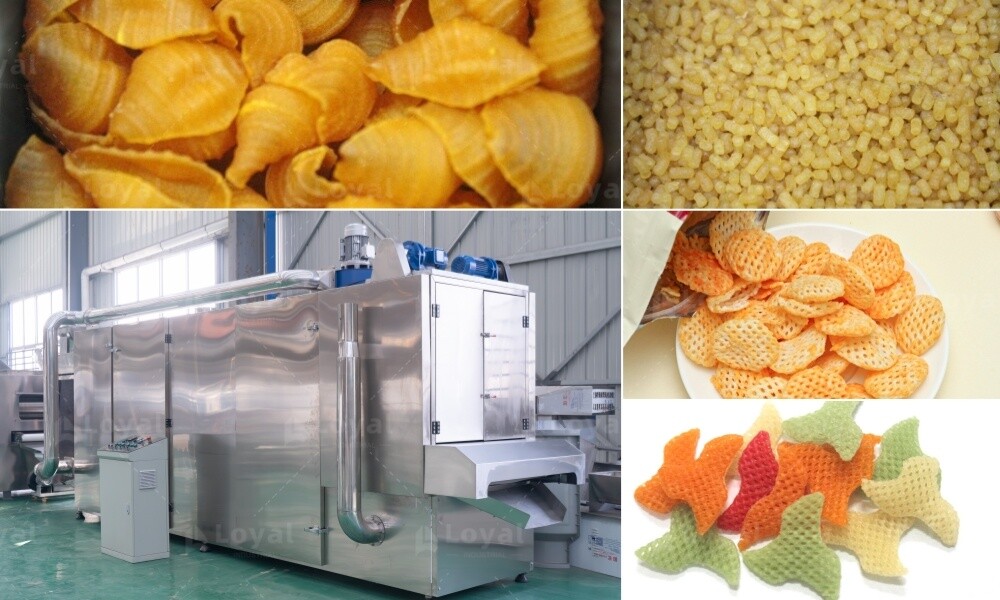
This innovative oven combines 2D and 3D drying technology, allowing for optimal heat distribution across multiple layers of snacks. Unlike traditional single-layer ovens, the multi-layer design ensures uniform drying without compromising product integrity. Manufacturers can adjust temperature, airflow, and conveyor speed, tailoring the process to specific snack types, whether flat 2D pellets or more complex 3D shapes.
By integrating modern automation and control systems, the 2D&3D Pellet Snack Drying Oven enhances energy efficiency and reduces manual intervention. Its continuous operation capability supports high-volume production while maintaining consistent quality standards. This combination of technology and flexibility positions the oven as an essential tool for snack producers aiming to deliver crispy, perfectly dried products.
Key Features of 2D&3D Pellet Snack Drying Oven
The 2D&3D Pellet Snack Drying Oven stands out due to its advanced features that ensure consistent, high-quality results. One of its primary advantages is the multi-layer continuous drying system, which allows snacks to pass through several heated layers simultaneously. This design significantly increases production efficiency while ensuring that each pellet, whether 2D or 3D, receives uniform heat exposure for perfect crispiness.
Temperature and airflow controls are fully adjustable, enabling manufacturers to customize the drying process based on snack type, size, and desired moisture content. The oven supports precise control over heating zones, reducing the risk of over-drying or under-drying.
Energy efficiency is another hallmark of this oven. By optimizing heat distribution and incorporating advanced insulation, the 2D&3D Pellet Snack Drying Oven minimizes energy consumption without compromising performance. Its low-maintenance design also simplifies daily operations, making it practical for large-scale industrial use.
Optimized Drying Process for Crispy Snacks
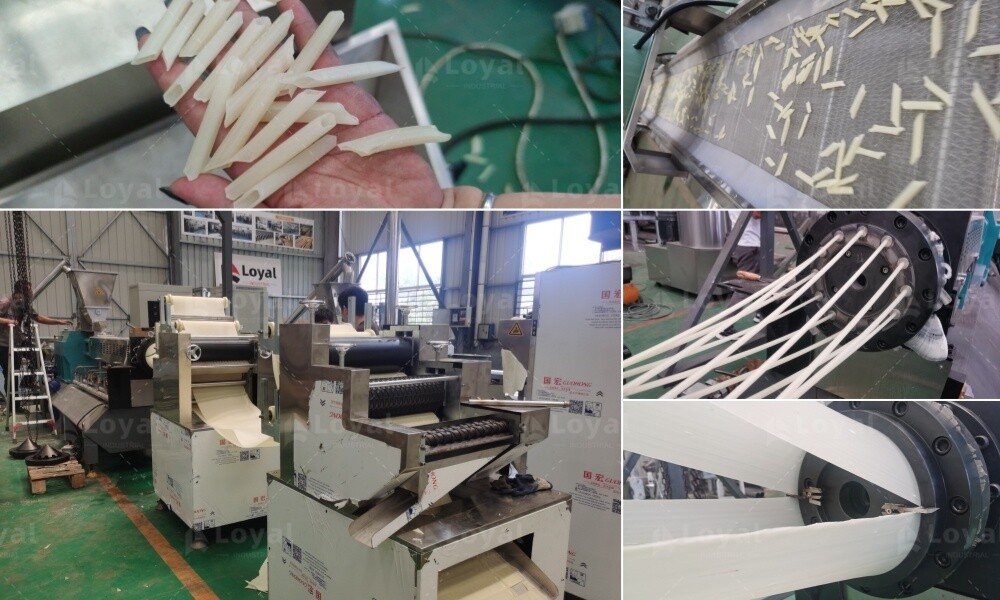
The oven’s combination of 2D and 3D drying zones ensures uniform heat exposure for every snack, regardless of shape.
Critical factors in the drying process include temperature, airflow, conveyor speed, and drying time. By adjusting these parameters, manufacturers can achieve the ideal moisture content, resulting in a consistent crispy texture and appealing color. The oven’s continuous multi-layer design allows for even distribution of hot air, reducing the risk of uneven drying.
Parameter | Recommended Range | Effect on Snack Quality | Notes |
Temperature | 120–160°C | Ensures crispiness without burning | Adjust by snack size and thickness |
Airflow Speed | 2–5 m/s | Promotes uniform drying | Higher for thicker 3D pellets |
Conveyor Speed | 0.5–1.5 m/min | Controls drying duration | Slower speed for larger batches |
Moisture Content | 2–5% final | Ideal for shelf-stable, crunchy snacks | Test for each snack type |
Layer Height | 3–5 layers per pass | Maximizes production efficiency | Ensure airflow is unobstructed |
By carefully managing these parameters, the 2D&3D Pellet Snack Drying Oven allows snack manufacturers to produce high-quality, crispy products consistently, reduce waste, and improve yield.
Advantages Over Traditional Drying Methods
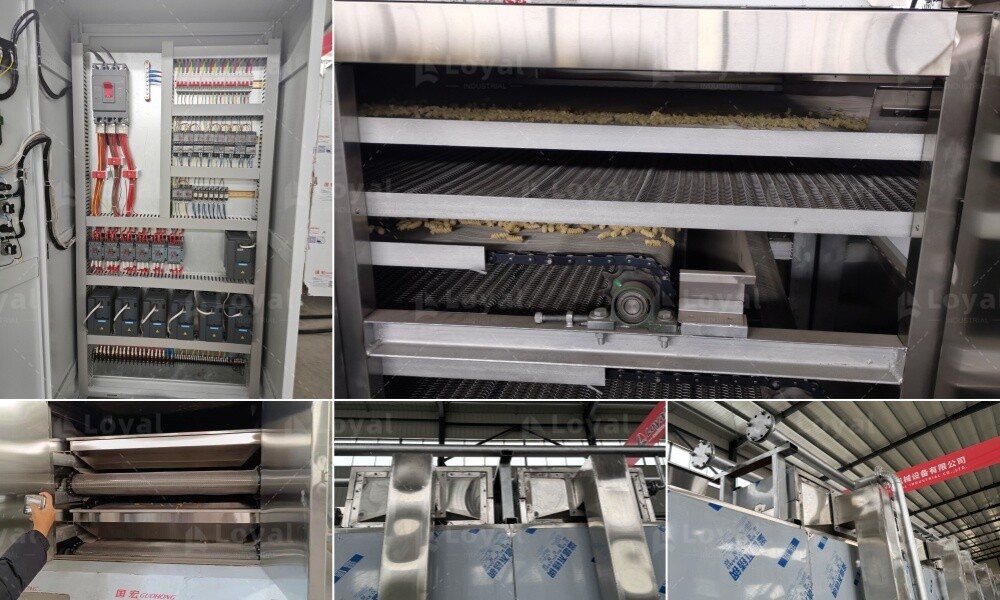
The 2D&3D Pellet Snack Drying Oven offers significant advantages over traditional snack drying methods, making it a preferred choice for modern snack production. Key advantages include:
·Consistent quality with uniform heat distribution
·High efficiency with multi-layer continuous operation
·Energy saving due to optimized heat transfer and insulation
·Low maintenance with durable construction and automation
·Versatility for both 2D and 3D snacks
Feature | 2D&3D Pellet Snack Drying Oven | Traditional Single-Layer Oven | Advantage |
Layer Design | Multi-layer continuous | Single layer | Higher production efficiency |
Drying Uniformity | Excellent, even heat distribution | Uneven, prone to hot/cold spots | Consistent snack quality |
Energy Consumption | Optimized and lower | Higher due to inefficiency | Cost and energy savings |
Product Types | 2D & 3D pellets, extruded snacks | Limited to simple shapes | Greater versatility |
Maintenance | Low, automated controls | Higher, manual adjustments | Reduced downtime |
Production Volume | High, continuous operation | Low, batch processing | Scalability |
Maintenance and Operational Tips
Proper maintenance and operation are essential to maximize the efficiency and lifespan of the 2D&3D Pellet Snack Drying Oven.
Routine Maintenance:
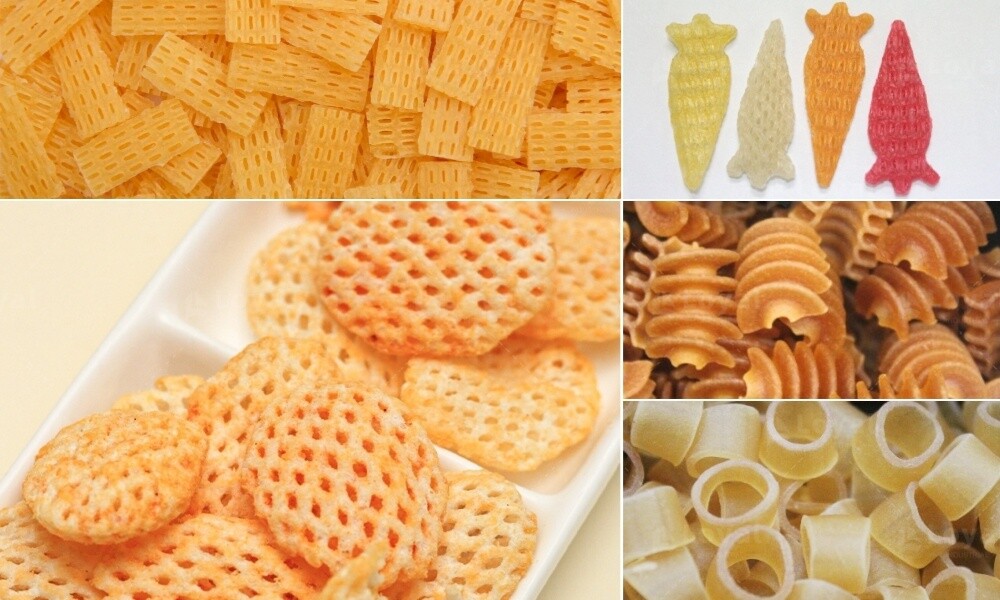
·Clean conveyor belts, drying chambers, and air filters regularly
·Inspect electrical components, sensors, and motors
·Lubricate moving parts such as conveyor rollers and gears
Operational Tips:
·Monitor and adjust temperature according to snack type
·Ensure unobstructed airflow and proper layer spacing
·Avoid overloading the oven
·Use automated control systems for consistent drying cycles
Safety Considerations:
·Keep safety guards in place
·Follow safety protocols during maintenance
·Ensure emergency stop mechanisms are accessible
By following these practices, manufacturers can maintain consistent, high-quality, and energy-efficient performance.
Reference
The following are five authoritative foreign literature websites in the field of Industrial food machinery:
1. Food Engineering Magazine
Website: https://www.foodengineeringmag.com/
2.Food Processing Magazine
Website: https://www.foodprocessing.com/
3.Journal of Food Engineering
Website:https://www.journals.elsevier.com/journal-of-food-engineering
4. Food Manufacturing Magazine
Website:https://www.foodmanufacturing.com/
5. International Journal of Food Science & Technology
Website:https://onlinelibrary.wiley.com/